Managing Heat Stress in Dairy Cows This Summer

Understanding Heat Stress in Dairy Cows
Heat stress is a significant concern for dairy farmers during the hot summer months. As temperatures rise, dairy cows may experience discomfort that can lead to decreased milk production, reproductive issues, and overall health decline. Recognizing the signs of heat stress and implementing effective management strategies is crucial for maintaining herd welfare and farm productivity.
Signs of Heat Stress in Dairy Cows
- Increased respiration rates
- Decreased feed intake
- Reduced milk yield
- Behavioral changes such as restlessness
- Higher somatic cell counts
Monitoring these signs closely can help farmers take timely action to mitigate the effects of heat stress on their herds.
Effective Cow Cooling Techniques
Implementing effective cooling techniques is vital to managing heat stress in dairy cows. Here are some strategies:
1. Provide Ample Shade
Creating shaded areas for cows is one of the simplest and most effective ways to protect them from direct sunlight. Structures such as shade cloths, trees, or barns can significantly reduce heat exposure.
2. Ensure Adequate Ventilation
Good airflow can help dissipate heat. Proper ventilation in barns and milking parlors promotes air movement, which is essential during hot weather. Fans can be installed to enhance airflow, especially in enclosed areas.
3. Use Water for Cooling
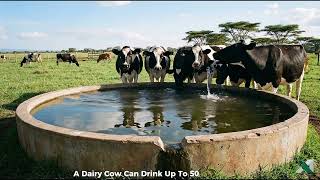
Providing fresh, cool water at all times is crucial. Cows will drink more water when it's cooler, which can help regulate their body temperature. Additionally, using misting systems or sprinklers can further aid in cooling cows.
4. Implement Evaporative Cooling Systems
Direct evaporative cooling systems can be highly effective in hot weather. These systems use water evaporation to cool the surrounding air, providing immediate relief to heat-stressed cows.
Nutrition Adjustments During Hot Weather
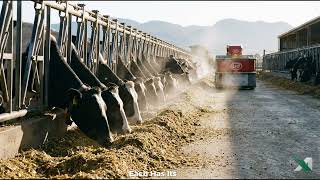
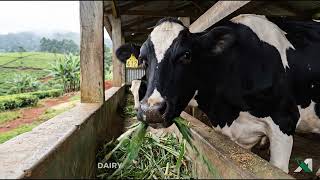
Heat-stressed cows often experience a decrease in appetite, which can lead to a summer milk drop. To counteract this, consider the following nutritional strategies:
- Increase the palatability of feed by adding molasses or other flavor enhancers.
- Ensure that feed is high in energy to compensate for reduced intake.
- Provide electrolyte supplements to help maintain hydration and support metabolic functions.
Quality veterinary products and supplements can play a vital role in supporting cow health during these challenging conditions, ensuring that they receive the necessary nutrients even when their appetite is low.
Monitoring and Measuring Heat Stress
Regularly monitoring your cows can help you identify heat stress early. Use the following methods to assess their condition:
- Check respiration rates; a rate over 60 breaths per minute indicates heat stress.
- Observe changes in behavior, such as increased lying time or reduced grazing.
- Track milk production closely; a drop in yield can signal stress.
Implementing these monitoring strategies combined with effective cooling methods can significantly improve cow comfort and productivity during the summer months.
Overall Benefits of Heat Stress Management
By managing heat stress effectively, farmers can enjoy several benefits:
- Improved milk production and quality
- Enhanced reproductive performance
- Better overall health and lower veterinary costs
- Increased profitability through efficient management practices
Investing in proper heat abatement strategies pays off in the long run, supporting both cow welfare and farm profitability.
Conclusion
Heat stress in dairy cows is a serious issue that requires proactive management, especially during the summer months. By implementing cooling techniques, adjusting nutrition, and monitoring for signs of stress, farmers can maintain cow health and productivity. Remember that quality veterinary products and supplements can be integral in supporting your herd during these hot periods. Taking these steps ensures that your cows remain comfortable, healthy, and productive throughout the summer.
Your message to the team
Sources: Read More
- Cooling Strategies During Heat Stress — DAIReXNET
- Managing Dairy Heat Stress in the Northeast’s Changing Climate — USDA Climate Hubs
- Five Ways You Know Your Cows are Heat Stressed — Dairy Herd
- Managing and Measuring Heat Stress — Dairy Herd
- Heat Stress in Dairy Cattle — DAIReXNET
- Five Ways To Help Cows Beat The Summer Heat — Dairy Herd