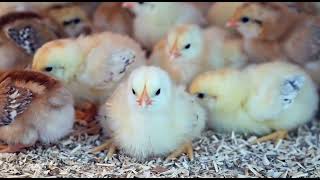
Managing Heat Stress in Poultry During Hot Seasons

Understanding Heat Stress in Poultry
Heat stress is a common challenge for poultry farmers during the hot seasons. Chickens, like other birds, are sensitive to high temperatures and can suffer from various health issues due to heat stress. Understanding how to manage heat stress in poultry can help maintain the health of your flock and ensure their productivity.
What is Heat Stress?
Heat stress occurs when chickens are unable to regulate their body temperature due to extreme environmental conditions. This can lead to decreased feed intake, lower egg production, and even mortality in severe cases. Recognizing the signs of heat stress is crucial for effective poultry management.
Signs of Heat Stress in Chickens
- Increased panting and open-mouth breathing
- Lethargy and reduced activity levels
- Decreased feed and water intake
- Drop in egg production
- Changes in droppings
Practical Tips for Heat Stress Poultry Management
Managing heat stress in poultry requires a combination of environmental control and good husbandry practices. Here are some actionable tips to help you keep your chickens cool and healthy during the hot months:
1. Improve Poultry Ventilation
Proper ventilation is essential for reducing heat in poultry houses. Ensure that your poultry house has adequate air circulation. This can be achieved through:
- Installing exhaust fans to remove hot air
- Using side curtains or windows to allow fresh air in
- Creating cross-ventilation by placing fans strategically
2. Provide Shade
Chickens need shaded areas to escape direct sunlight. If your poultry house lacks shade, consider:
- Planting trees around the poultry house
- Using tarpaulins or shade netting to cover outdoor areas
3. Ensure Access to Fresh Water
Hydration is crucial during hot weather. Always ensure that your chickens have access to clean, cool water. You can:
- Change water frequently to prevent warming
- Add ice or chilled water to drinking containers during peak heat
4. Use Chicken Cooling Techniques
Implementing cooling techniques can help alleviate heat stress. Consider:
- Installing misting systems that spray fine water droplets into the air
- Using fans to create a wind-chill effect
5. Adjust Feeding Practices
During hot weather, chickens may eat less. Adjust feeding practices to ensure they receive enough nutrients:
- Feed in the cooler parts of the day, such as early morning or late evening
- Provide high-energy feeds that are easier to digest
6. Monitor Flock Health
Regularly check your flock for signs of heat stress and overall health. If you notice any issues, consider using quality veterinary products and supplements that can help support your chickens during stressful periods.
Conclusion
Heat stress is a significant concern for poultry farmers during the summer farming season. By implementing effective heat stress poultry management techniques, such as improving ventilation, providing shade, ensuring access to water, and adjusting feeding practices, you can keep your chickens healthy and productive. Remember, using quality veterinary products and supplements can also play a crucial role in supporting your flock's health during hot weather.