Managing Sow Nutrition for Larger Litters
Understanding Sow Nutrition Management
Sow nutrition management is a crucial aspect of pig farming that directly impacts breeding sow feeding and pig reproduction nutrition. Proper nutrition not only supports the health of the sow but also maximizes the size and health of the litter she produces. In this article, we will explore several strategies to enhance sow nutrition management, focusing on increasing litter size and improving overall reproductive performance.
Importance of Pre-Pregnancy Nutrition
Before a sow even conceives, her nutrition can set the foundation for a successful pregnancy and larger litters. Ensuring adequate feed intake during early pregnancy is essential, as studies have shown that increased feed intake helps in the recovery of body weight and enhances litter size in young sows.
Tips for Pre-Pregnancy Nutrition
- High-Quality Feed: Use high-quality feed that meets the nutritional needs of sows before breeding. This includes a balance of protein, vitamins, and minerals.
- Regular Monitoring: Regularly monitor body condition scores to ensure sows are at optimal weight before breeding.
- Gradual Transition: Gradually transition to a higher-energy diet leading up to breeding to ensure adequate energy reserves.
Gestation Nutrition Strategies
Once the sow is pregnant, managing her nutrition is vital for the health of both the sow and her developing piglets. Research suggests that varying feeding levels during three short periods of gestation can significantly influence litter performance.
Gestation Feeding Recommendations
- Protein-Rich Diet: Incorporate dietary protein levels to optimize sow and litter performance. Increasing protein during lactation has been shown to improve litter gains while minimizing weight loss in sows.
- Betaine Supplementation: Consider supplementing the gestation diet with betaine, especially during hot months. This has been linked to increased litter sizes in sows with higher parity numbers.
- Monitor Body Condition: Maintain optimal body condition by adjusting feed quantities based on the sow’s weight and condition throughout gestation.
Lactation Nutrition for Improved Litter Size
After birthing, the nutritional needs of the sow change significantly. Proper lactation nutrition is critical for maximizing reproductive performance and supporting the growth of piglets. Essential fatty acid supplementation during this period is crucial.
Lactation Feeding Tips
- Increased Feed Intake: Encourage higher feed intake during lactation to support both the sow and her piglets. This is vital for maintaining energy levels and milk production.
- Balanced Diet: Provide a balanced diet rich in vitamins, minerals, and essential fatty acids to enhance milk quality and quantity.
- Hydration: Ensure that sows have constant access to clean, fresh water, as hydration is essential for milk production.
Post-Weaning Nutrition
Post-weaning, sows need a specific nutritional approach to recover from lactation and prepare for their next breeding cycle. This phase is important for maintaining their health and improving future litter sizes.
Strategies for Post-Weaning Care
- Recovery Diet: Implement a recovery diet that focuses on replenishing nutrients lost during lactation. High-quality protein and energy sources should be prioritized.
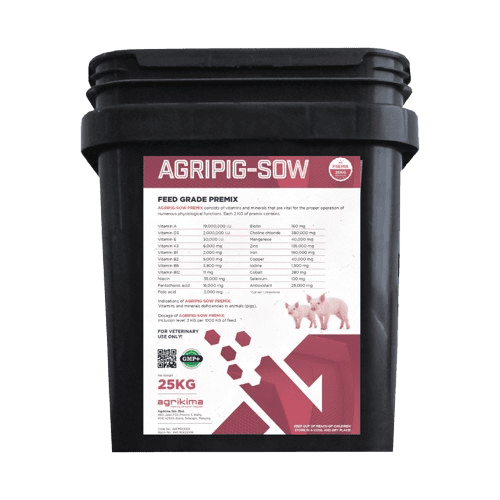
- Supplementation: Consider using quality veterinary products and supplements that can support recovery and overall health.
- Gradual Feeding: Gradually increase feed levels as the sow recovers to avoid digestive issues.
Conclusion
Managing sow nutrition effectively is key to increasing litter size and enhancing pig reproduction nutrition. By focusing on pre-pregnancy, gestation, lactation, and post-weaning nutrition, farmers can ensure healthier sows and larger, healthier litters. Quality veterinary products and supplements can play a significant role in achieving these goals. Implementing these strategies will not only improve sow health but also boost the overall productivity of your pig farming operation.
Your message to the team
Sources: Read More
- An increased feed intake during early pregnancy improves sow body weight recovery and increases litter size in young sows — PubMed
- Increased dietary protein levels during lactation improved sow and litter performance — ScienceDirect
- Supplementing sow gestation diets with betaine during summer increases litter size of sows with greater numbers of parities — ScienceDirect
- Essential fatty acid supplementation during lactation is required to maximize the subsequent reproductive performance of the modern sow — ScienceDirect
- Effect of different feeding levels during three short periods of gestation on sow and litter performance over two reproductive cycles — ScienceDirect
- Sow Nutrition, Uterine Contractions, and Placental Blood Flow during the Peri-Partum Period and Short-Term Effects on Offspring: A Review — PubMed