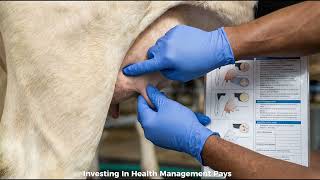
Managing Tick-Borne Diseases in Cattle Effectively

Understanding Tick-Borne Diseases in Cattle
Tick-borne diseases in cattle present significant challenges for farmers, impacting productivity and animal health. Among these diseases, east coast fever and anaplasmosis are particularly concerning. As a cattle farmer, understanding these diseases and implementing effective management strategies is crucial to maintaining herd health.
Common Tick-Borne Diseases
East Coast Fever
East coast fever (ECF) is caused by the parasite Theileria parva, transmitted by the bite of infected ticks. Symptoms include fever, swollen lymph nodes, and a significant drop in milk production in dairy cows. Early detection and treatment are vital to prevent severe losses.
Anaplasmosis
Anaplasmosis is another tick-borne disease caused by the bacterium Anaplasma marginale. It leads to anemia and can be fatal if not treated promptly. Symptoms include lethargy, pale mucous membranes, and a decrease in milk yield. Preventing this disease is essential for maintaining a healthy herd.
Strategies for Managing Tick-Borne Diseases
To effectively manage tick-borne diseases in cattle, consider the following practical strategies:
1. Implementing a Cattle Dipping Program
Cattle dipping is a crucial practice in controlling tick populations. Regularly dipping your cattle in appropriate acaricides can significantly reduce tick infestations. Here are some tips:
- Choose a high-quality acaricide that is effective against the ticks in your area.
- Follow the manufacturer's instructions for dilution and application.
- Schedule dipping sessions at least every two weeks, especially during peak tick seasons.
2. Monitoring Tick Populations
Regularly monitor your cattle for ticks. Check for signs of infestation, including the presence of ticks on the skin and any symptoms of tick-borne diseases. Early detection allows for timely interventions and treatment.
3. Pasture Management
Proper pasture management can help reduce tick populations. Here are some key practices:
- Rotate grazing areas to prevent the buildup of ticks in one location.
- Maintain pasture cleanliness by removing debris and keeping grass short to reduce tick habitats.
- Consider introducing livestock that are less susceptible to ticks, such as goats, to help manage the tick population.
4. Vaccination and Natural Supplements
Vaccination is an effective way to prevent diseases such as anaplasmosis. Consult your veterinarian for a recommended vaccination schedule tailored to your herd. Additionally, consider incorporating quality veterinary products and natural supplements that boost cattle immunity, helping them fight off infections.
5. Regular Health Checks
Conduct regular health checks and blood tests for your cattle to identify any early signs of tick-borne diseases. This proactive approach allows for quick treatment and helps prevent the spread of diseases within the herd.
Importance of Education and Resources
Staying informed about tick-borne diseases and management strategies is vital for any cattle farmer. Attend workshops, read relevant agricultural publications, and connect with agricultural extension services for the latest research and techniques. Resources such as the local veterinary service can provide tailored advice on managing tick-borne diseases specific to your region.
Conclusion
Managing tick-borne diseases in cattle requires a multi-faceted approach that includes regular monitoring, effective dipping practices, and proactive health management. By implementing these strategies, farmers can significantly reduce the impact of diseases like east coast fever and anaplasmosis, ensuring healthier herds and improved productivity. Remember, quality veterinary products and supplements can play a crucial role in your disease management strategy, helping to maintain the overall health and productivity of your cattle.