Manure Management for Piggeries: Boosting Your Income
Introduction
Managing piggery manure effectively is essential for both environmental sustainability and farm profitability. With the right techniques, pig farmers can turn what is often seen as waste into valuable resources, enhancing their income streams. This blog post explores innovative methods for piggery manure management income, including pig slurry biogas production, pig manure composting, and other strategies to maximize the value of piggery waste.
Understanding Piggery Waste
Piggery waste primarily consists of pig manure, bedding materials, and leftover feed. Without proper management, this waste can lead to pollution and health hazards. However, when handled correctly, pig manure can be transformed into useful products like biogas and compost.
The Importance of Manure Management
- Reduces environmental pollution
- Improves soil fertility through composting
- Generates income through biogas and organic fertilizers
- Enhances farm sustainability and reduces operational costs
Strategies for Effective Manure Management
Implementing effective manure management practices can significantly increase your income. Here are some strategies to consider:
1. Pig Manure Composting
Composting pig manure is an excellent way to recycle nutrients while creating a valuable organic fertilizer. Here’s how to do it:
- Gather Materials: Collect pig manure, bedding materials (straw, sawdust), and any leftover feed.
- Layering: Create layers of manure and carbon-rich materials to balance nitrogen and carbon.
- Moisture Control: Ensure the compost pile is moist but not overly wet. This promotes microbial activity.
- Turning the Pile: Regularly turn the pile every few weeks to aerate it and speed up decomposition.
- Harvesting Compost: After a few months, the compost will be dark, crumbly, and ready to use as fertilizer.
This compost can be sold to local farmers or used in your own fields to improve soil health and crop yields.
2. Producing Biogas from Pig Slurry
Biogas production is a sustainable method of converting pig slurry into energy. Here’s a brief overview:
- Install Anaerobic Digesters: These systems break down pig slurry in the absence of oxygen, producing biogas.
- Gas Utilization: The biogas can be used for cooking, heating, or generating electricity, reducing your energy costs.
- Digestate Use: The by-product of this process can be used as a nutrient-rich fertilizer, adding further value.
Investing in biogas technology can be a significant upfront cost but has long-term benefits for energy savings and additional income streams.
3. Utilizing Pig Manure as Fertilizer
Pig manure is rich in nutrients essential for crop growth, making it an excellent fertilizer option. Consider the following:
- Testing Soil Nutrients: Before applying pig manure, test your soil to determine nutrient needs.
- Proper Application: Apply manure at the right time and in the right amounts to avoid nutrient runoff and ensure optimal plant uptake.
- Rotational Grazing: Use pig manure in rotational grazing systems to enhance pasture fertility.
By using pig manure as fertilizer, you reduce dependence on chemical fertilizers, saving money and improving sustainability.
Regulatory Considerations
It's essential to be aware of local regulations regarding manure management. Ensure compliance with guidelines related to:
- Storage and handling of manure
- Application rates for field use
- Environmental protection laws
Consulting with agricultural extension services can provide valuable guidance on regulatory requirements.
Investing in Quality Veterinary Products
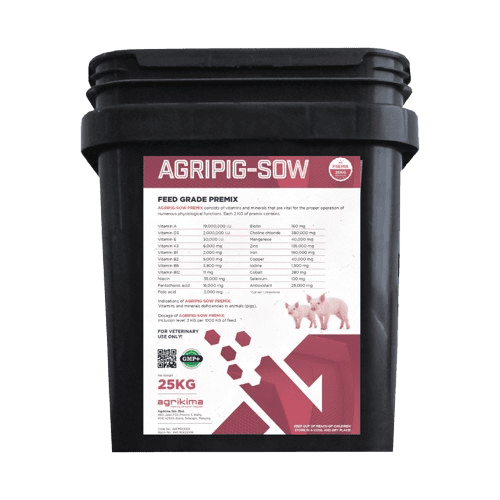
To maintain the health of your pigs and ensure quality manure, invest in quality veterinary products and supplements. Healthy pigs produce better manure, which translates to higher quality compost and biogas. Regular veterinary care, vaccinations, and nutritional supplements can enhance your pigs' overall health, leading to improved productivity and profitability.
Conclusion
Effective piggery manure management is not just about waste disposal; it’s about transforming that waste into valuable resources. By adopting practices such as pig manure composting, biogas production, and using pig manure as fertilizer, you can turn what is often considered a liability into a significant income source. With careful management and the right investments, pig farmers can enhance their sustainability while boosting their profits.