Preventing and Treating Mastitis in Dairy Goats
Understanding Mastitis in Dairy Goats
Mastitis is an udder infection in goats that can significantly affect milk production and quality. This condition is characterized by inflammation of the udder, often caused by bacteria, and can lead to decreased milk yield and poor goat milk quality. Understanding the causes and implementing effective mastitis dairy goats treatment is essential for maintaining a healthy herd.
Causes of Mastitis in Dairy Goats
Mastitis can be triggered by several factors:
- Injury to the Udder: Physical injuries can allow bacteria to enter.
- Poor Hygiene: Unsanitary milking conditions can lead to infections.
- Improper Milking Techniques: Rough handling during milking can damage the udder.
- Nutritional Deficiencies: Lack of essential nutrients can weaken the immune system.
Signs of Mastitis
Recognizing mastitis early can help in effective treatment. Look for these signs:
- Swelling or hardening of the udder
- Redness or heat in the affected area
- Painful response when touched
- Changes in milk appearance, such as clots or discoloration
- Decrease in milk production
Mastitis Dairy Goats Treatment
1. Immediate Actions
If you suspect mastitis, take immediate action:
- Isolate the affected goat to prevent the spread of infection.
- Consult a veterinarian for diagnosis and recommended treatment.
2. Veterinary Solutions
Your veterinarian may recommend:
- Antibiotics: To fight bacterial infections effectively.
- Anti-inflammatory Drugs: To reduce pain and swelling.
3. Natural Remedies
In addition to veterinary treatments, consider natural remedies to support recovery:
- Herbal Teas: Such as chamomile or calendula can provide soothing effects.
- Essential Oils: Some oils, like tea tree oil, have natural antibacterial properties.
4. Supportive Care
Ensure the goat receives:
- High-quality nutrition with adequate vitamins and minerals.
- Access to fresh, clean water.
- A stress-free environment to promote recovery.
Preventing Mastitis in Dairy Goats
1. Maintain Hygiene
Implement strict hygiene practices:
- Keep the milking area clean and dry.
- Use clean towels for drying udders before milking.
- Regularly clean and sanitize milking equipment.
2. Proper Milking Techniques
Adopt gentle milking techniques:
- Practice slow and calm milking to avoid udder injury.
- Avoid over-milking, which can stress the udder.
3. Regular Health Checks
Conduct routine health checks on your goats:
- Monitor for any signs of illness or discomfort.
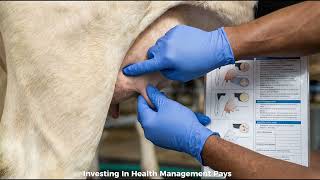
- Consult with a veterinarian for regular health assessments.
4. Nutrition Management
Focus on balanced nutrition:
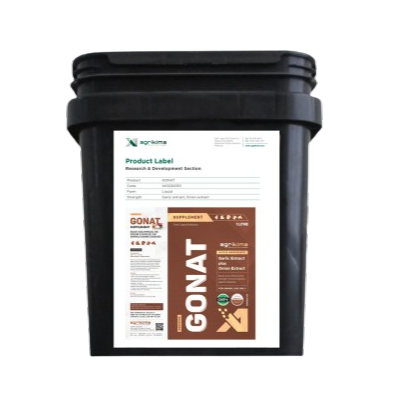
- Provide supplements that boost the immune system and promote udder health.
- Ensure a diet rich in vitamins A, E, and minerals like selenium and zinc.
Dry Off Dairy Goat: A Critical Period
Drying off a dairy goat is crucial for mastitis prevention. This period allows the udder to rest and recover, reducing the risk of infections. Follow these tips:
- Gradually reduce milking frequency to avoid sudden changes.
- Monitor for any signs of mastitis during this period.
Conclusion
Treating and preventing mastitis in dairy goats is vital for maintaining goat milk quality and overall herd health. By understanding the causes, implementing effective treatment strategies, and focusing on prevention, farmers can ensure the well-being of their goats. Quality veterinary products and supplements play an essential role in this process, supporting the health and productivity of your dairy goats.