Mastitis Without Antibiotics: Effective Strategies

Understanding Selective Dry Cow Therapy for Mastitis
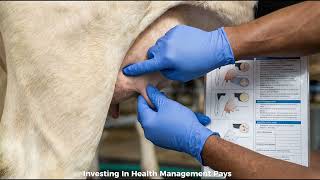
Mastitis is a significant challenge in dairy farming, affecting milk yield and quality. With rising concerns over antibiotic resistance, farmers are looking for effective ways to manage this condition without resorting to antibiotics. One promising strategy is selective dry cow therapy (SDCT), which focuses on treating only those cows at higher risk of mastitis.
What is Selective Dry Cow Therapy?
Selective dry cow therapy involves assessing each cow’s individual risk for mastitis during the dry-off period, rather than applying a blanket treatment approach. This method allows farmers to target only those cows that require treatment, reducing overall antibiotic use and associated costs. Implementing SDCT not only aligns with the principles of antimicrobial stewardship but also helps maintain udder health in the subsequent lactation.
Benefits of Selective Dry Cow Therapy
- Reduced Antibiotic Usage: By treating only high-risk cows, SDCT can lead to a 55% reduction in antibiotic use compared to traditional methods without compromising cow health.
- Cost-Effectiveness: Lower antibiotic costs contribute to better profit margins for dairy farms.
- Improved Milk Quality: Focusing on udder health during the dry period can enhance milk quality in the next lactation.
Enhancing Milking Hygiene to Prevent Mastitis
In addition to selective therapy, maintaining high standards of milking hygiene is crucial for preventing mastitis. Contamination during and after milking can introduce pathogens that lead to mastitis, making hygiene practices essential.
Key Milking Hygiene Practices
- Regular Cleaning of Equipment: Ensure that all milking equipment is thoroughly cleaned and sanitized after each use. This practice helps eliminate bacteria that could contaminate the milk and infect the udder.
- Proper Milking Techniques: Train staff on the correct milking techniques to minimize trauma to the udder and reduce the risk of infection.
- Maintain Teat Health: Inspect and treat any injuries or abnormalities on the teats promptly. Applying a high-quality teat sealant can also provide an additional layer of protection.
Environmental Mastitis Management
Environmental mastitis is another concern that requires attention. It is typically caused by pathogens present in the cow's environment. To combat this, farmers should focus on enhancing cow resistance and reducing pathogen presence at the teat orifice through effective hygiene and management practices.
Actionable Tips for Environmental Mastitis Prevention
- Clean Bedding: Regularly change and clean bedding to minimize pathogen exposure.
- Stable Management: Keep the living environment dry and clean, as moisture can contribute to mastitis development.
- Regular Health Checks: Monitor cows for early signs of mastitis and other health issues to allow for timely intervention.
Combining Strategies for Maximum Impact
By integrating selective dry cow therapy with robust milking hygiene practices, dairy farmers can significantly reduce the incidence of mastitis without relying heavily on antibiotics. This dual approach not only supports animal health but also contributes to a more sustainable dairy farming practice, aligning with the goals of low-AMR dairy farming.
As you implement these strategies, consider incorporating quality veterinary products and supplements that can support overall cow health. These products can enhance immune response and promote udder health, further reducing the risk of mastitis.
Conclusion
In conclusion, mastitis management in dairy cows can be effectively achieved without antibiotics through selective dry cow therapy and improved milking hygiene. By focusing on individual cow assessments and maintaining a clean milking environment, farmers can protect their herds and improve their bottom line. Embracing these practices not only supports animal welfare but also contributes to a more sustainable future in dairy farming.
Your message to the team
Sources: Read More
- Selective dry cow therapy — University of Minnesota Extension
- Selective Dry Cow Strategy for Dairy Herds Information for Prescribing Vets and Farmers — Department of Agriculture, Food and the Marine (Ireland)
- A Practitioner's Guide to Selective Dry Cow Therapy — Veterinary Clinics of North America - Food Animal Practice
- Selective dry cow therapy: Antimicrobial stewardship can offer returns in appropriate herds — Cornell University
- Milking, milk production hygiene and udder health — Food and Agriculture Organization (FAO)
- Environmental Mastitis — Cornell University College of Veterinary Medicine