Why Milk Yield Drops in the Second Month After Calving

Understanding Milk Yield Drops After Calving
As a dairy farmer, you may have noticed that milk yield drops after calving, particularly in the second month postpartum. This phenomenon can be attributed to several factors, including nutritional deficiencies, management practices, and physiological changes in the cow. Understanding these factors is crucial for implementing effective strategies to maintain optimal milk production.
Physiological Changes Post-Calving
After calving, cows undergo a series of physiological changes that can impact milk production. The first few weeks post-calving are critical as the cow transitions from pregnancy to lactation. During this period, the body is still adjusting, and energy demands increase significantly.
Energy Deficit in Cows
One of the primary reasons for reduced milk yield is energy deficit. Cows often experience negative energy balance (NEB) in early lactation, which can persist into the second month if not managed properly. When cows do not consume enough energy to meet their milk production needs, it results in lower milk output.
Importance of Post-Calving Feeding
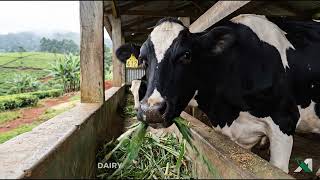
Proper nutrition is vital during this transitional phase. Post-calving feeding should focus on providing a balanced diet rich in energy, protein, and essential vitamins and minerals. Ensuring that cows receive adequate nutrition helps to support their energy needs and maintain milk production levels.
Nutrition Strategies to Maintain Milk Yield
To combat the drop in milk yield after calving, consider the following nutritional strategies:
- Quality Forage: Ensure that cows have access to high-quality forage that is rich in nutrients. This helps in meeting their energy and protein requirements.
- Concentrate Feeds: Incorporate concentrate feeds that are high in energy and protein to support increased milk production. Be cautious about the transition to avoid digestive issues.
- Mineral and Vitamin Supplements: Provide mineral and vitamin supplements, especially those containing calcium, phosphorus, and magnesium, to support overall health and milk production.
Monitoring Body Condition Score (BCS)
Regularly monitor the body condition score of your cows. A BCS of 2.5 to 3.5 is ideal for optimal milk production. Cows that are too thin may struggle to maintain milk yield, while overweight cows may also face issues.
Management Practices to Enhance Persistency Lactation
Besides nutrition, management practices also play a significant role in milk yield. Improving persistency lactation can help mitigate the drop in milk production. Here are some management tips:
- Comfortable Housing: Ensure that cows have a comfortable living environment. Adequate space, clean bedding, and proper ventilation can reduce stress and improve milk output.
- Regular Health Checks: Conduct regular health assessments to identify and treat health issues early, such as mastitis or lameness, which can affect milk yield.
- Consistent Milking Routine: Establish a consistent milking schedule to reduce stress on the cows. This helps maintain their milk output.
Addressing Common Health Issues
Health problems can significantly impact milk yield. Common issues to watch for include:
- Mastitis: This bacterial infection can lead to reduced milk production. Implementing proper milking hygiene and using quality veterinary products for prevention can help.
- Metritis: Inflammation of the uterus can occur after calving and lead to decreased milk yield. Regular veterinary check-ups can help identify and treat these issues promptly.
- Ketosis: A metabolic disorder due to energy deficiency can affect milk production. Providing energy-dense feeds and monitoring feed intake can help prevent ketosis.
Conclusion
Understanding why milk yield drops after calving is essential for dairy farmers aiming to maintain optimal production levels. By focusing on proper post-calving feeding, addressing energy deficits, and implementing effective management practices, you can help your cows achieve higher milk yields in their second month of lactation. Don't hesitate to consult with your veterinarian for tailored nutritional and health solutions to support your herd.