Essential Guide to Mineral Supplementation for Dairy Cows
Understanding Dairy Cow Minerals
Dairy cow minerals play a crucial role in maintaining the health and productivity of your herd. Proper mineral supplementation not only supports growth and milk production but also helps prevent various health issues. This guide will cover essential minerals such as calcium and phosphorus, along with practical tips for effective cattle supplementation.
The Importance of Mineral Supplementation
Mineral supplementation is vital for dairy cows because it helps to:
- Enhance milk production and quality.
- Support bone health and growth.
- Improve reproductive performance.
- Boost immunity and resistance to disease.
Essential Minerals for Dairy Cows
Among the various minerals needed for dairy cows, two of the most important are calcium and phosphorus.
Calcium
Calcium is essential for:
- Bone development and maintenance.
- Muscle function, including the heart.
- Milk production; it is a major component of milk.
A deficiency in calcium can lead to conditions such as milk fever, which can severely affect milk yield and cow health. To ensure adequate calcium intake, consider using high-quality cattle supplements that are rich in calcium.
Phosphorus
Phosphorus plays a critical role in:
- Energy metabolism.
- Formation of DNA and RNA.
- Reproductive health.
Low phosphorus levels can lead to poor growth, decreased milk production, and fertility issues. Therefore, incorporating phosphorus-rich supplements into your dairy cow's diet is essential.
Types of Dietary Supplements
When it comes to cattle supplements, there are various types available:
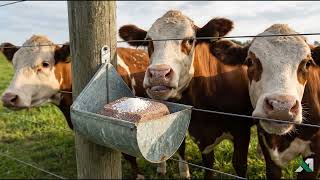
- Mineral Blocks: These are convenient and provide a range of essential minerals.
- Loose Minerals: These can be mixed with feed for easy consumption.
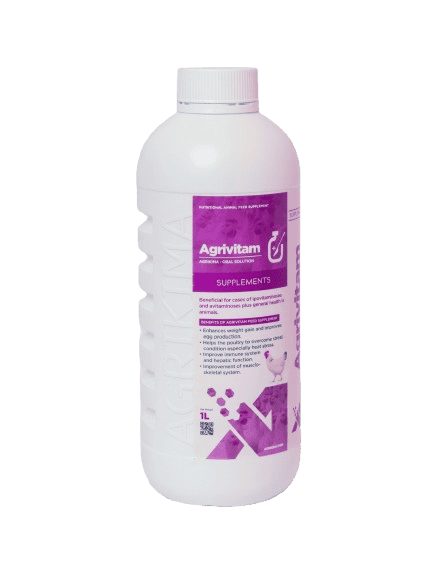
- Liquid Supplements: Useful for quick absorption and can be added to drinking water.
Choosing the Right Supplement
When selecting mineral supplements for your dairy cows, consider the following:
- Assess the mineral content of your current feed to identify deficiencies.
- Consult with a veterinarian or animal nutritionist for tailored advice.
- Choose high-quality products from reputable suppliers like Agrikima.
Practical Tips for Implementation
To ensure effective mineral supplementation, keep these tips in mind:
- Monitor Intake: Regularly check how much your cows are consuming to ensure they receive adequate minerals.
- Adjust According to Life Stage: Pregnant and lactating cows have different mineral requirements than heifers or dry cows.
- Provide Access: Ensure that mineral supplements are readily available and easily accessible to all cows.
Signs of Mineral Deficiency
It's crucial to recognize the signs of mineral deficiencies in your dairy cows, which may include:
- Decreased milk production.
- Weakness or lethargy.
- Abnormal behavior or appetite changes.
- Reproductive issues.
If you notice any of these signs, consult with a veterinarian to assess the mineral status of your herd and adjust supplementation as needed.
Conclusion
In summary, proper mineral supplementation for dairy cows, focusing on vital elements like calcium and phosphorus, is essential for a healthy and productive herd. By using quality cattle supplements and monitoring your cows’ intake, you can enhance their overall health and milk production. Explore Agrikima's range of veterinary products and cattle supplements to support your dairy farming needs today!