Mycotoxin Control in Feed Mills: Risks and Solutions
Understanding Mycotoxins in Feed Milling
Mycotoxins are toxic compounds produced by certain molds that can contaminate feed ingredients. These toxins, particularly aflatoxin, pose significant risks to animal health and productivity when they enter the feed milling process. Understanding these risks is crucial for feed manufacturers and farmers alike.
What Are Mycotoxins?
Mycotoxins are secondary metabolites produced by fungi, primarily affecting grains and other raw materials used in animal feed. The most notorious of these is aflatoxin, which can lead to severe health issues in livestock, including liver damage and reduced productivity.
Sources of Mycotoxin Contamination
- Improperly stored grains
- Moisture during storage
- Inadequate cleaning of equipment
- Contaminated raw materials
Identifying Mycotoxin Risks in Your Feed Mill
To effectively manage mycotoxin risks, it is essential to identify potential contamination points in your feed milling operations. Here are some critical areas to focus on:
1. Raw Material Screening
The first line of defense against mycotoxins is rigorous screening of raw materials. Regular testing for mycotoxin levels in incoming grains and ingredients is vital. Use reliable laboratories to conduct these tests and ensure that any contaminated materials are rejected before they enter the production line.
2. Environmental Conditions
Fungi thrive in warm, humid environments. Maintain optimal storage conditions by:
- Controlling moisture levels in storage areas
- Keeping storage facilities clean and dry
- Regularly monitoring temperature and humidity
3. Equipment Hygiene
Ensure that all equipment used in feed milling is thoroughly cleaned and sanitized. Residual feed particles can harbor mycotoxins, so implement a strict cleaning schedule.
Mitigation Strategies for Mycotoxin Control in Feed Mills
Once risks are identified, you can implement effective strategies to mitigate mycotoxin contamination:
1. Incorporating Toxin Binders
Toxin binders are additives that can be included in feed formulations to bind mycotoxins, preventing their absorption in the animal's gastrointestinal tract. Regularly assess and choose the right toxin binders to enhance animal health and performance.
2. Quality Control Measures
Integrate quality control measures at every stage of feed production. This includes:
- Routine testing of finished feed for mycotoxin levels
- Maintaining clear records of raw material sources and testing results
- Following industry guidelines for feed safety standards
3. Training and Education
Educate your staff about the risks of mycotoxins and the importance of maintaining high standards in feed production. Regular training sessions can help ensure that everyone is aware of protocols and best practices.
Conclusion
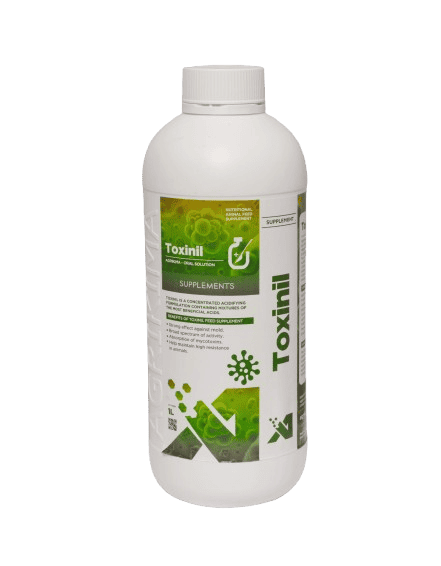
Mycotoxin control in feed mills is not just about compliance; it's essential for safeguarding animal health and enhancing productivity. By implementing rigorous raw material screening, maintaining optimal storage conditions, using toxin binders, and fostering a culture of quality control, you can effectively mitigate the risks associated with mycotoxins. Investing in quality veterinary products and supplements can further support your efforts in maintaining a healthy livestock population.