Effective Napier Grass Management for Dairy Farmers
Understanding Napier Grass Management
Napier grass, also known as Pennisetum purpureum, is a vital forage crop widely used across tropical and subtropical regions for dairy and beef cattle feed. Effective management of Napier grass is crucial for providing nutritious dairy fodder, ensuring that your cattle receive a balanced diet throughout the year. This article covers key strategies for managing Napier grass to optimize your dairy production.
Why Choose Napier Grass?
Napier grass is favored among farmers for several reasons:
- High Yield: It can produce significant dry matter yield, making it a cost-effective choice for dairy farmers, especially in smallholder systems.
- Nutritive Value: When well-managed, Napier grass can comprise up to 80% of a cattle diet, providing essential nutrients.
- Adaptability: It thrives in various soil types and climatic conditions, making it suitable for many farming environments.
Best Practices for Napier Grass Management
1. Planting Techniques
Proper napier grass planting is the first step towards successful management. Follow these guidelines:
- Site Selection: Choose well-drained soils with adequate sunlight. Avoid waterlogged areas that can hinder growth.
- Planting Method: Use stem cuttings or slips for propagation. Ensure that they are healthy and disease-free to promote optimal growth.
- Spacing: Maintain proper spacing between plants to allow for adequate air circulation and sunlight exposure.
2. Fertilization and Soil Management
To enhance the growth and nutritive quality of Napier grass, consider the following:
- Soil Testing: Conduct soil tests to determine nutrient requirements. This helps in applying the right fertilizers, ensuring that the grass receives necessary nutrients.
- Organic Fertilizers: Incorporate organic matter such as compost or well-rotted manure to improve soil fertility and structure.
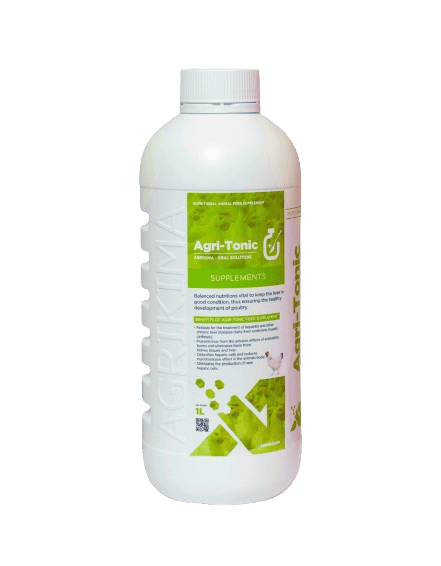
- Supplemental Nutrition: Use quality veterinary products and supplements to enhance the nutritional value of the forage, thus improving cattle health and productivity.
3. Water Management
Water is essential for the growth of Napier grass. Here are some tips:
- Irrigation: Implement an irrigation system if rainfall is insufficient. Consistent moisture is vital for optimal growth.
- Drainage: Ensure proper drainage to prevent waterlogging, which can adversely affect root growth and overall health.
4. Harvesting Techniques
Correct harvesting practices are crucial to maintaining the quality of Napier grass:
- Timing: Harvest Napier grass at the right maturity stage. Ideally, cut it when it reaches 60-100 cm in height. This ensures a higher nutritive value.
- Frequency: Regular harvesting promotes regrowth. Cut back the grass every 4-6 weeks during the growing season.
- Cutting Method: Use sharp tools to prevent damaging the plants. This minimizes stress on the grass and encourages healthy regrowth.
5. Incorporating Legumes
To further improve the quality of your dairy fodder, consider intercropping Napier grass with legumes such as Centrosema molle or Clitoria ternatea. This practice enhances both the yield of forage and its protein concentration, resulting in better nutrition for your cattle.
Year-Round Feeding Strategies
Implementing effective year-round feeding strategies is essential for maintaining a consistent milk production level in dairy cows. Here are some tips:
- Silage Making: Preserve excess Napier grass by making silage. This ensures a steady supply of high-quality feed during dry seasons.
- Supplementation: Use feed additives and supplements to balance dietary nutrients, especially during periods when fresh forage is limited.
- Monitor Cattle Health: Regularly check the health of your dairy cows. Quality veterinary products can assist in maintaining overall health and productivity.
Conclusion
Effective napier grass management is key to ensuring that dairy farmers can provide high-quality year-round cattle feed. By implementing best practices in planting, fertilization, water management, harvesting, and crop integration, farmers can improve the yield and nutritive value of Napier grass. This not only supports the health of livestock but also enhances overall dairy production, leading to more profitable farming.
Your message to the team
Sources: Read More
- Management Strategies for Napier Grass (Pennisetum purpureum Schumach cv Pakchong): Impact on Dry Matter Yield, Nutritive Characteristics and Cattle Growth — FAO AGRIS
- Napier grass (Pennisetum purpureum Schum) management strategies for dairy and meat production in the tropics and subtropics: yield and nutritive value — FAO AGRIS
- Dry season forages for improving dairy production in smallholder systems in Uganda — FAO AGRIS
- Use of napier grass to improve smallholder milk production in Kenya — FAO AGRIS
- Optimal stage of maturity for feeding napier grass (Pennistetum purpureum) to dairy cows in Kenya — FAO AGRIS
- Inventory of feed resources for the smallholder farmer in Kenya — FAO