Newborn Kid and Lamb Care: First 48 Hours Guide
Introduction to Newborn Kid and Lamb Care
The first 48 hours after birth are critical for the health and survival of newborn kids and lambs. Proper care during this period can make a significant difference in their overall well-being. This guide will provide essential tips and management strategies for newborn kid lamb care, focusing on lambing kidding management, colostrum, and general newborn goat sheep care.
Importance of Colostrum
One of the most crucial aspects of newborn kid lamb care is ensuring that the young animals receive colostrum shortly after birth. Colostrum is the first milk produced by the mother, rich in antibodies essential for providing passive immunity to the newborns.
When to Feed Colostrum
For optimal health, newborn kids should receive colostrum within the first six hours of life, while lambs should have it within the first few hours. This rapid intake is vital for protecting them against infections and diseases.
How to Feed Colostrum
- Ensure the mother is clean and healthy before feeding.
- Use a clean bucket or feeding bottle to provide colostrum.
- Monitor the newborns to ensure they are nursing effectively.
Creating a Safe Environment
In addition to nutrition, a safe and clean environment plays a significant role in the care of newborn kids and lambs. The immediate surroundings can impact their health and comfort.
Steps to Create a Clean Environment
- Prepare a dry and sheltered area away from drafts.
- Use clean bedding materials such as straw or hay.
- Regularly clean and disinfect the area to minimize the risk of infections.
Monitoring for Hypothermia
Newborns are particularly susceptible to hypothermia, especially in colder weather. It is essential to dry and warm them immediately after birth to help them maintain their body temperature.
- Use towels or heat lamps to dry the newborns.
- Ensure they are kept near their mother for warmth and bonding.
Assisting During Difficult Births
Sometimes, lambing and kidding can be complicated. As part of effective lambing kidding management, it is crucial to be prepared to assist during difficult births.
Signs of Complicated Births
- Extended labor without progress.
- Visible signs of distress in the mother.
- Abnormal presentations of the kids or lambs.
How to Assist
If complications arise, you may need to assist the mother by:
- Gently pulling the newborn if they are stuck.
- Contacting a veterinarian for professional assistance if necessary.
Post-Birth Care and Monitoring
After the initial care, ongoing monitoring and support are vital for the health of newborn kids and lambs. Regular check-ups can help identify any health issues early.
What to Monitor
- Check for signs of illness or distress.
- Ensure they are nursing adequately and gaining weight.
- Look out for signs of hypothermia or dehydration.
Supplemental Nutrition
In some cases, the mother may not produce enough colostrum or milk. Supplemental nutrition can help ensure the newborns receive the necessary nutrients.
Types of Supplements
- Colostrum replacers can be used if the mother’s colostrum is inadequate.
- Consider high-quality milk replacers for kids and lambs if the mother’s milk supply is low.
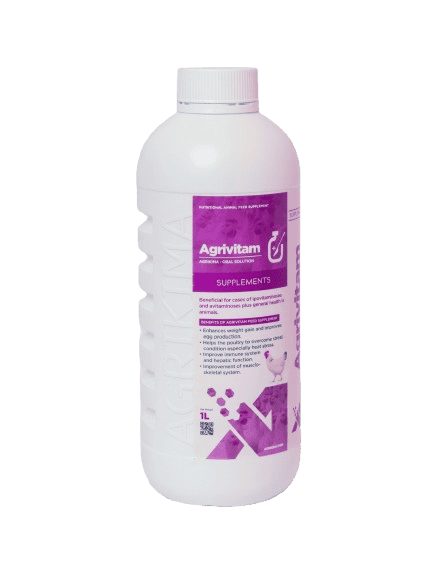
Using quality veterinary products, such as those available from Agrikima, can help ensure that your newborns get the best start in life.
Conclusion
Proper care in the first 48 hours is vital for the survival and health of newborn kids and lambs. By ensuring they receive adequate colostrum, creating a safe environment, and monitoring their health, farmers can significantly improve their chances of thriving. Always be prepared to assist during difficult births and consider using quality nutritional supplements to support their growth.
Your message to the team
Sources: Read More
- Care of Newborn Lambs — Purdue University Extension
- Management of Newborn Kids — Penn State Extension
- Lambing and Kidding Management — Food and Agriculture Organization (FAO)
- Newborn Lamb and Kid Care — University of Minnesota Extension
- Colostrum Management for Goat Kids — Purdue University Extension
- Care of the Newborn Lamb — Sheep 101