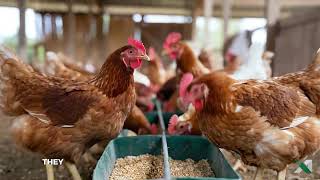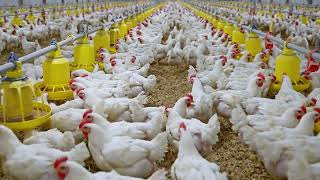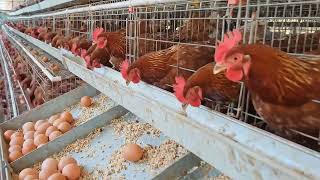
NIR Feed Analysis: Revolutionizing Feed Quality Control
Understanding Near-Infrared (NIR) Analysis
Near-Infrared (NIR) analysis is an innovative technique that has transformed the way farmers assess feed quality. This rapid and non-destructive method allows for real-time analysis of the chemical composition of various feedstuffs. By employing NIR feed analysis, farmers can make informed decisions quickly, optimizing animal nutrition and health.
What is NIR Feed Analysis?
NIR feed analysis utilizes the near-infrared spectrum to evaluate key components in animal feed, including moisture, protein, and fiber content. This technology enables farmers to conduct near infrared feed testing efficiently, ensuring their livestock receive optimal nutrition without delays associated with traditional lab methods.
Benefits of NIR Feed Analysis
- Rapid Feed QC: NIR analysis delivers immediate results, allowing farmers to adjust feed formulations as needed. This rapid feed QC is crucial during peak production times when timely decisions can impact livestock performance.
- Cost-Effective Monitoring: Implementing NIR technology provides a cost-effective way to monitor feed quality. It reduces the need for expensive laboratory testing and minimizes wastage associated with poorly formulated feeds.
- Improved Nutritional Accuracy: NIR analysis accurately predicts the nutritional composition of various feed ingredients. This accuracy helps in making precise adjustments to meet the nutritional needs of livestock.
How NIR Feed Analysis Works
NIR spectroscopy works by shining near-infrared light onto a sample of feed. The light interacts with the feed components, and the reflected light is analyzed to determine the concentration of moisture, protein, fats, and other essential nutrients. The results are almost instantaneous, making it an ideal choice for farmers looking for efficiency and accuracy in their feed quality control.
Applications of NIR in Livestock Nutrition
The application of NIR feed analysis spans various aspects of livestock nutrition management:
- Feed Formulation: With real-time data from NIR analysis, farmers can formulate feeds that meet specific nutritional requirements for different livestock categories, ensuring optimal growth and production.
- Quality Control: Regular NIR testing helps in maintaining consistent feed quality. Farmers can detect variations in ingredient quality and make necessary adjustments to their feed formulations.
- Moisture and Protein Monitoring: Accurate monitoring of feed moisture and protein levels is critical for preventing spoilage and ensuring that livestock receive adequate nutrition.
Integrating NIR Feed Analysis into Your Operations
To effectively integrate NIR feed analysis into your livestock operations, consider the following steps:
- Invest in NIR Technology: Purchase or lease NIR feed analyzers that fit your farm's size and budget. Many companies offer portable options that can be used on-site.
- Train Your Team: Ensure that your staff is trained in using NIR technology. They should understand how to interpret results and make adjustments to feed formulations accordingly.
- Regular Testing: Implement a regular schedule for NIR testing to monitor feed quality consistently. This practice will help you stay ahead of any potential issues in feed composition.
Conclusion
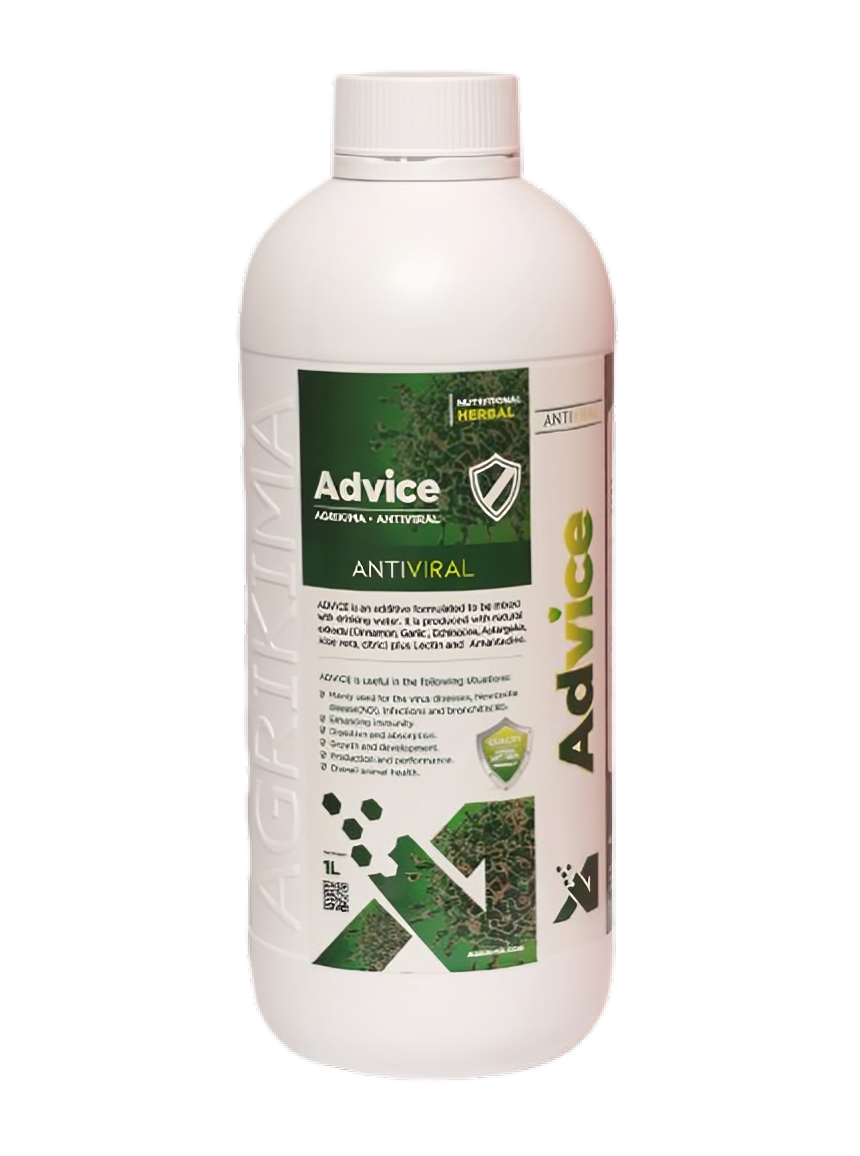
Near-Infrared (NIR) analysis is a game-changer for farmers seeking to enhance feed quality control. By adopting NIR feed analysis, you can ensure that your livestock receive the best nutrition possible, leading to improved health and productivity. Alongside NIR technology, consider utilizing quality veterinary products and supplements available from Agrikima to further support your livestock’s health and performance.
Take Action Now!
Explore the potential of NIR feed analysis and elevate your feed quality control efforts. For further assistance and high-quality nutritional supplements, visit Agrikima for your feed and veterinary needs.
Your message to the team
Sources: Read More
- Near Infrared Spectroscopy for Feed Analysis — Food and Agriculture Organization (FAO)
- Near Infrared Reflectance Spectroscopy (NIRS) in Feed Analysis — Penn State Extension
- Near Infrared Spectroscopy: A Tool for Feed Quality Control — Iowa State University Extension and Outreach
- Application of Near Infrared Spectroscopy in Feed Analysis — Journal of Dairy Science
- Near Infrared Spectroscopy for Feed Quality Assessment — National Center for Biotechnology Information (NCBI)
- Near Infrared Spectroscopy in Feed Analysis: Principles and Applications — Feedipedia - Animal Feed Resources Information System