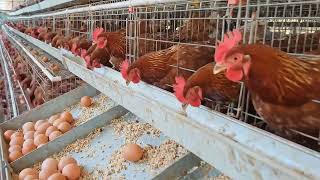
Understanding Pale Eggshells and Soft Shells in Poultry
Pale Eggshells and Soft Shells: What They Mean
As a poultry farmer, observing pale eggshells and soft shells can be concerning. These issues not only affect the aesthetic appeal of your eggs but also indicate underlying health or nutritional problems in your flock. Let's delve into what these conditions mean and how to address them effectively.
Understanding Eggshell Quality Problems
Eggshell quality is crucial for both the health of the hen and the marketability of the eggs. Pale eggshells typically indicate insufficient calcium, while soft shells may suggest a lack of essential nutrients or other health issues. Identifying the causes is the first step in rectifying these problems.
Causes of Pale Eggshells
- Calcium Deficiency: Calcium is vital for strong eggshell formation. If hens do not receive adequate calcium, their eggshells may appear pale and weak.
- Age of the Hen: As hens age, their ability to produce quality eggs can decline. Older hens may lay eggs with pale shells.
- Nutritional Deficiencies: A lack of vitamins and minerals, particularly Vitamin D and phosphorus, can contribute to poor eggshell quality.
- Stress Factors: Stress from environmental changes, overcrowding, or illness can affect eggshell quality.
Causes of Soft Shell Eggs
- Insufficient Calcium: Just like pale shells, soft shells often indicate that hens are not getting enough calcium.
- Egg-laying Disorders: Conditions such as egg binding can lead to the production of soft-shelled eggs.
- Infection: Certain infections can disrupt the normal laying process, resulting in soft-shelled eggs.
- Genetics: Some breeds are more prone to laying soft-shelled eggs due to genetic factors.
How to Fix Pale Eggshells and Soft Shells
Once you understand the causes, you can take actionable steps to improve the situation. Here are some practical tips:
1. Improve Calcium Intake
Ensure that your layers have access to high-quality calcium supplements. Products like crushed oyster shells or limestone flour can help boost calcium levels in your flock's diet. Additionally, formulate a balanced layer feed that meets their nutritional needs.
2. Provide Vitamin D
Vitamin D is essential for calcium absorption. Consider adding vitamin D supplements to the feed or allowing your hens access to natural sunlight to enhance their vitamin D levels.
3. Monitor Nutrition
Regularly assess the nutritional content of your feed. Use high-quality feed additives designed for layers to ensure they receive all necessary vitamins and minerals. A well-balanced diet directly impacts eggshell quality, so consider consulting a livestock nutritionist for tailored advice.
4. Reduce Stress
Managing stress is vital for the overall health of your flock. Ensure proper housing conditions, adequate space, and a calm environment. Avoid sudden changes in their routine or environment, as these can lead to stress-related problems.
5. Regular Health Checks
Implement a regular health check routine to catch any infections or diseases early. Consult a veterinarian when you notice any unusual behavior or symptoms in your hens. Quality veterinary products can assist in maintaining your flock's health.
6. Assess Breeding Practices
If soft-shelled eggs are persistent, consider evaluating your breeding practices. Some breeds may have a genetic predisposition to poor eggshell quality. Consult with experienced breeders to select healthier stock.
Conclusion
Pale eggshells and soft shells are indicators of potential health and nutritional issues within your poultry flock. By understanding the causes and implementing effective fixes, you can improve eggshell quality, ensuring a healthier and more productive laying operation. Always remember that quality veterinary products and supplements play a crucial role in maintaining the health of your layers.