Particle Size and FCR: Addressing Hammer Mill Issues
Understanding Feed Particle Size and FCR
The relationship between feed particle size and feed conversion ratio (FCR) is crucial for farmers looking to optimize livestock performance. A well-balanced diet with the right particle size can significantly impact how efficiently animals convert feed into body mass.
What is FCR?
The feed conversion ratio (FCR) is a measure of an animal's efficiency in converting feed into the desired output, such as meat, milk, or eggs. A lower FCR indicates a more efficient feed conversion, which is essential for profitability in livestock farming.
Importance of Feed Particle Size
The feed particle size directly affects the animal's ability to digest and absorb nutrients. Smaller particles can enhance digestibility and nutrient absorption, while larger particles may lead to inefficient feed utilization.
The Role of Hammer Mills in Feed Production
Hammer mills are essential for grinding feed materials into the desired particle size. However, as hammer mill screens wear over time, they can significantly affect the quality of the ground feed.
How Hammer Mill Screen Wear Affects Feed Quality
- Inconsistent Particle Size: Worn screens can lead to an uneven particle size, resulting in a mix of fine and coarse particles. This inconsistency can negatively impact the animal's digestion.
- Increased Dust and Powder: Excessive wear can result in the production of fine dust, which not only reduces feed quality but can also lead to respiratory issues in animals.
- Reduced Nutrient Availability: If the feed is not ground to the appropriate particle size, nutrients may not be fully accessible, leading to poor FCR and increased feed costs.
Recognizing the Signs of Hammer Mill Screen Wear
Farmers should regularly monitor their hammer mills for signs of wear. Here are some indicators to watch for:
- Increased customer complaints about feed performance.
- Noticeable variations in the texture of the feed.
- Excessive dust production during grinding.
Practical Tips for Maintaining Hammer Mill Screens
To ensure optimal performance and minimize complaints related to feed quality, consider the following maintenance tips:
- Regular Inspections: Conduct routine checks on hammer mill screens for signs of wear or damage.
- Timely Replacements: Replace worn screens before they significantly impact feed quality and FCR.
- Adjust Grinding Settings: Fine-tune the mill settings to achieve the desired particle size, taking into account the specific needs of your livestock.
Optimizing Feed Conversion Ratio
Improving FCR is a multifaceted approach that involves not only particle size but also the overall quality of the feed. Here are some strategies to enhance FCR:
- Quality Ingredients: Use high-quality ingredients in your feed formulations to ensure optimal nutrition.
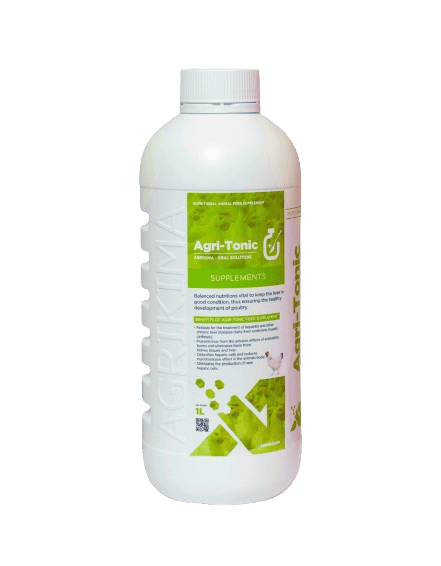
- Supplementation: Consider adding natural animal health solutions and supplements that can support digestion and nutrient absorption.
- Monitor Animal Health: Regularly assess the health of your livestock, as sick animals will exhibit poorer feed conversion rates.
Conclusion
Understanding the impact of feed particle size on FCR is essential for farmers aiming to improve their livestock's performance. Worn hammer mill screens can quietly escalate customer complaints by compromising feed quality. By maintaining your hammer mills and optimizing feed formulations, you can enhance FCR, reduce costs, and improve overall animal health.