Pellet Cooling: Why Warm Pellets Go Mouldy in the Bag
Understanding Pellet Cooling
Pellet cooling is a critical step in the feed production process, especially in maintaining the quality of the pellets before they are bagged. When pellets are produced, they often exit the die at high temperatures, typically around 90°C, with moisture content ranging from 14% to 16%. If these warm pellets are not cooled adequately, several issues can arise, notably the risk of mold growth during storage.
Why Warm Pellets Go Mouldy
Warm pellets can lead to mold growth for several reasons:
- Condensation: When warm pellets are bagged, the heat can cause condensation to form inside the bag. This moisture creates an environment conducive to mold growth.
- Inadequate Cooling: If pellets are not cooled properly before bagging, residual heat can lead to moisture migration within the bag, promoting mold development.
- High Humidity: If the ambient humidity is high, the risk of moisture absorption by the pellets increases when they are warm.
The Role of Pellet Coolers in Feed Mills
To prevent these issues, the implementation of effective cooling systems is essential. One of the most reliable methods used in modern feed mills is the counterflow pellet cooler. These coolers function by allowing the hot pellets to move counter to the flow of cool air, effectively reducing their temperature while maintaining moisture content within the desired range of 11.0% to 11.5%.
Key Factors in Effective Cooling
Several factors influence the efficiency of pellet cooling:
- Airflow: The uniformity of airflow through the pellets ensures that all pellets receive adequate cooling. Poor airflow can result in uneven cooling, leading to some pellets remaining warm while others cool down effectively.
- Cooling Bed Depth: The depth of the cooling bed should be optimized to allow for maximum surface area exposure to the cool air, facilitating better heat transfer.
- Cooling Time: Sufficient cooling time is essential to ensure that pellets exit the cooler at a temperature no more than 5°C above ambient temperature.
Best Practices for Cooling Pellets
Implementing best practices for pellet cooling can significantly reduce the risk of mold growth:
- Use of Counterflow Coolers: Invest in quality counterflow coolers that are designed for optimal airflow and cooling efficiency.
- Monitor Temperature and Moisture: Regularly check the temperature and moisture content of pellets after cooling. They should be close to ambient temperature and within the specified moisture range.
- Ensure Even Bed Depth: Maintain an even bed depth during the cooling process to improve airflow and cooling uniformity.
- Regular Maintenance: Keep your cooling equipment well-maintained to prevent breakdowns and inefficiencies that could lead to warm pellets.
- Proper Storage Conditions: Store pellets in a cool, dry environment to prevent moisture accumulation and mold growth.
Conclusion
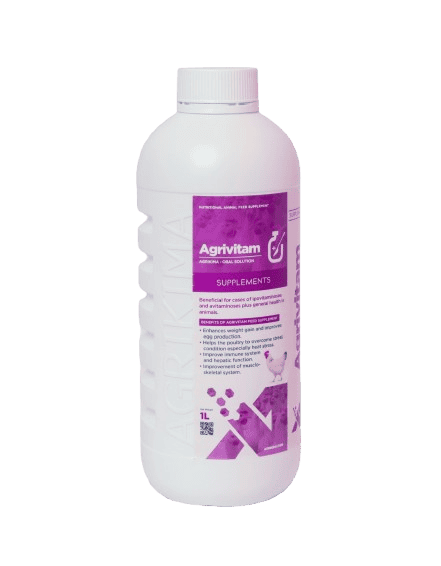
Understanding the importance of pellet cooling and the factors that contribute to mold growth in warm pellets is essential for feed mill operators. By utilizing counterflow coolers and adhering to best practices, you can ensure your pellets remain high-quality and mold-free during storage. Additionally, consider integrating natural animal health solutions and supplements into your feed formulations to enhance the overall health and wellbeing of your livestock.
Your message to the team
Sources: Read More
- The counterflow cooling of feed pellets — Journal of Agricultural Engineering Research (Elsevier)
- Operational Guidelines for Enhancing Cattle‑feed Plant Performance — NDDB (National Dairy Development Board)
- Pellet cooling – Feed Science Extension (Kansas State University) — Kansas State University Extension
- Chapter 12: Matching Product to Cooling Processes (Feed Pelleting Reference Guide) — Feed Pelleting Reference Guide (WATT Global Media)
- Pelleting process, Part 1 — Global Seafood Advocate
- Improving feed mill performance — World-Grain