Common Causes of Pellet Die Clogging and Solutions
Understanding Pellet Die Clogging
Pellet die clogging is a common issue in feed production that can lead to reduced efficiency and increased downtime in feed mills. This problem occurs when the feed material does not pass smoothly through the die holes during the pelleting process. Understanding the common causes of pellet die clogging and how to address them can significantly improve production efficiency.
Common Causes of Pellet Die Clogging
Identifying the root causes of pellet die clogging is essential for effective troubleshooting. Here are some of the most prevalent factors:
1. Inadequate Steam Conditioning
Steam conditioning plays a critical role in the pelleting process. If the steam conditioning temperature is too low or inconsistent, it can lead to poor starch gelatinization, which affects pellet binding and durability. Proper steam conditioning at optimal temperatures (80–85°C) is essential for enhancing pellet stability and reducing die clogging.
2. Improper Ingredient Ratios
The composition of the feed ingredients greatly influences pellet quality. High levels of fat in the mixer can reduce pellet durability. Ingredients with low dicalcium phosphate levels can also lead to increased risks of die clogging. It’s crucial to maintain a balanced formulation to ensure optimal performance.
3. Incorrect Die and Roller Adjustments
Die and roller adjustments can significantly impact the pelleting process. If the gap between the rollers and die is too tight, it can cause excessive pressure, leading to clogging. Regularly checking and adjusting these settings can help alleviate clogging issues.
4. High Moisture Content
Excess moisture in the feed can result in poor pellet formation and increased die clogging. It’s important to monitor the moisture content of the feed and adjust drying processes accordingly to maintain optimal levels.
5. Poor Quality Raw Materials
Using low-quality raw materials can contribute to pellet die clogging. Contaminants and impurities can obstruct die openings, leading to production issues. Ensuring the use of high-quality ingredients is essential for maintaining a smooth pelleting process.
How to Avoid Pellet Die Clogging
To prevent pellet die clogging, consider implementing the following strategies:
1. Optimize Steam Conditioning
Ensure that steam conditioning is adequately implemented. Maintain optimal temperatures and pressures to enhance starch gelatinization, which will lead to better pellet stability and reduce the chances of clogging. It may be beneficial to invest in quality steam conditioning systems that allow for precise control.
2. Adjust Ingredient Ratios
Regularly review and adjust the ratios of ingredients in your feed formulations. Balancing raw protein content and reducing mixer-added fats can improve pellet durability and reduce die clogging.
3. Regular Maintenance and Adjustments
Conduct regular maintenance checks on your feed pellet mill. This includes checking die and roller adjustments, ensuring they are correctly set to avoid excessive pressure on the feed material.
4. Monitor Moisture Levels
Use moisture meters to regularly check the moisture content of your feed. Keeping moisture levels within an optimal range helps in the formation of quality pellets and minimizes the risk of clogging.
5. Source Quality Raw Materials
Always prioritize sourcing high-quality raw materials. Conduct regular quality checks on incoming ingredients to prevent contaminants from affecting the pelleting process.
Conclusion
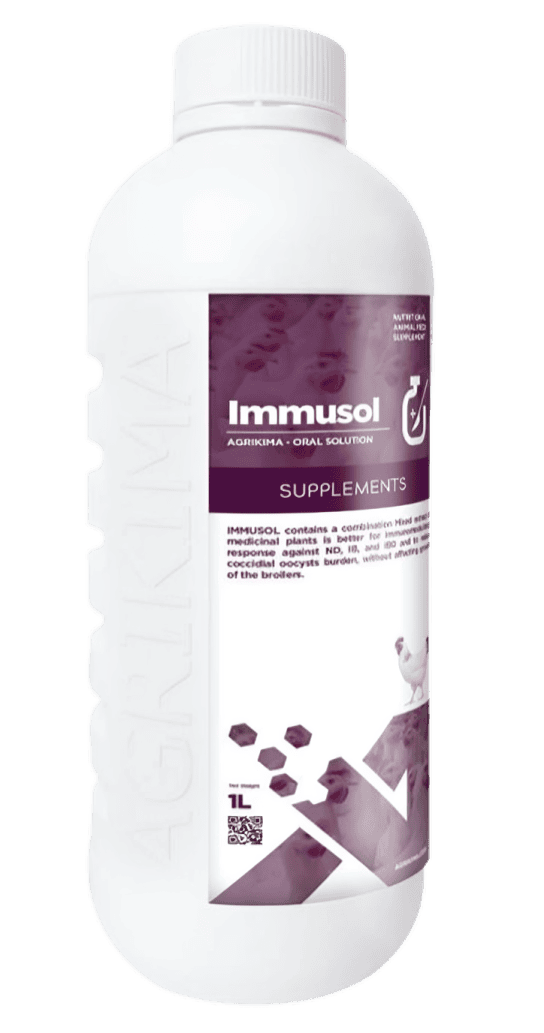
In summary, pellet die clogging can significantly hinder the efficiency of feed production. By understanding the common causes and implementing effective strategies such as optimizing steam conditioning, adjusting ingredient ratios, and ensuring regular maintenance, farmers can enhance their feed production processes. Agrikima offers a range of veterinary products and supplements that can support farmers in maintaining high-quality feed and improving overall animal health.
Your message to the team
Sources: Read More
- Chapter 18. Feed Milling Processes — Food and Agriculture Organization (FAO)
- Effects of ingredients and processing conditions on pellet quality — Purdue University
- Effects of modifying diet and feed manufacture concern areas that are notorious for decreasing pellet quality — Penn State University
- Improving Pellet Quality and Throughput via Die Type and Steam Conditioning Temperature Optimization in Cattle Feed Production — Food and Agriculture Organization (FAO)
- 9. FEED INGREDIENT PROCESSING — Food and Agriculture Organization (FAO)