Pelleting vs Mash Feed: Profitability for Your Mill
Introduction
When it comes to livestock feed production, one of the most critical decisions you will face is choosing between pelleted feed vs mash feed. Each feed form offers unique benefits and challenges that can significantly affect the profitability of your mill. This article will delve into the differences between pelleted and mash feed, examining their production processes, costs, and overall benefits for farmers.
Understanding Pelleted Feed
Pelleted feed is produced by compressing ground feed ingredients into small, uniform pellets. This process typically involves a pellet mill, which uses heat and pressure to create the pellets. The advantages of pelleted feed include:
- Improved Feed Efficiency: Pellets can enhance feed intake and utilization, leading to better weight gain in livestock.
- Reduced Feed Waste: The compact form of pellets minimizes spillage and wastage during feeding.
- Enhanced Nutrient Absorption: Pelleted feed can improve digestibility, ensuring that animals receive the maximum nutritional benefit.
Production Process of Pelleted Feed
The production of pelleted feed involves several key steps:
- Grinding: Raw materials are finely ground to ensure uniformity.
- Mixing: Ingredients are mixed thoroughly to create a balanced diet.
- Conditioning: The mixture is then conditioned with steam to soften it, making it easier to form pellets.
- Pelleting: The conditioned feed is forced through a die in the pellet mill, forming pellets.
- Cooling: Pellets are cooled to harden and stabilize them for storage.
Understanding Mash Feed
Mash feed, on the other hand, is a loose mixture of ground feed ingredients. It is less processed than pelleted feed and does not require a pellet mill. Some benefits of mash feed include:
- Lower Production Costs: The production of mash feed is generally cheaper, as it requires less energy and fewer processing steps.
- Ease of Preparation: Farmers can easily mix mash feed on-site, allowing for more flexibility in feed formulation.
- Retention of Nutrients: Since there is no heat processing involved, certain heat-sensitive nutrients may be better retained in mash feed.
Production Process of Mash Feed
The production of mash feed typically includes the following steps:
- Grinding: Ingredients are ground to a specific particle size.
- Mixing: The ground materials are mixed to create a uniform blend.
Cost Comparison: Pelleted Feed vs Mash Feed
When considering the profitability of your mill, understanding the costs associated with each feed form is essential. Here are some factors to consider:
- Equipment Costs: Investing in a pellet mill can be expensive. However, it can lead to higher profits through improved feed efficiency.
- Raw Material Costs: Both feed forms require quality raw materials. However, mash feed production may allow for more local sourcing of ingredients.
- Labor and Energy Costs: Pelleting requires more labor and energy, which can drive up costs compared to mash feed production.
Profitability Analysis
To determine which feed form is more profitable for your mill, consider the following:
- Market Demand: Assess the demand for pelleted vs mash feed in your area. If farmers prefer pellets for their livestock, investing in a pellet mill may be worth it.
- Nutritional Needs: Evaluate the specific nutritional requirements of your target livestock. Pelleted feed may offer advantages in digestibility and nutrient absorption.
- Cost of Production: Conduct a thorough cost analysis to compare the expenses of producing each feed form. Include fixed and variable costs in your calculations.
Conclusion
In conclusion, the choice between pelleted feed vs mash feed ultimately depends on your specific circumstances, including market demands and production capabilities. Pelleted feed may offer improved feed efficiency and reduced waste, while mash feed can provide lower production costs and ease of preparation. By carefully evaluating the factors discussed above, you can make an informed decision that enhances the profitability of your mill.
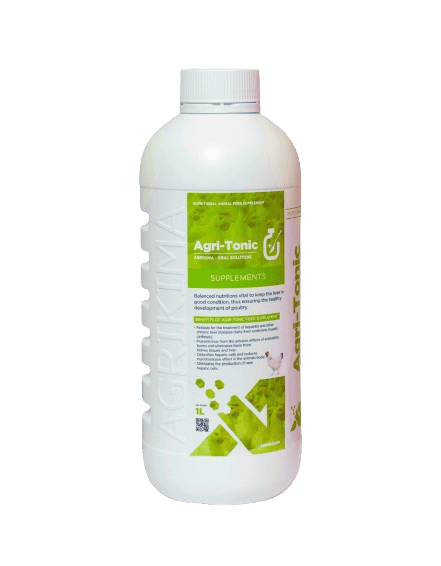
Additionally, incorporating quality veterinary products and supplements can further boost the health and productivity of your livestock, making either feed form a viable option for successful farming.