Phytogenic Feed Additives: Natural Antibiotic Alternatives
Understanding Phytogenic Feed Additives
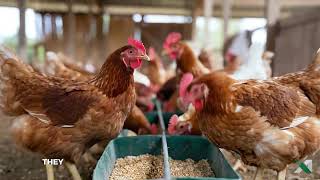
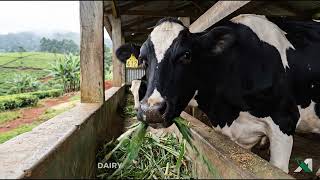
Phytogenic feed additives (PFAs) are natural compounds derived from plants, herbs, and spices that have been gaining attention in animal husbandry. These additives serve multiple functions, including enhancing gut health and boosting overall animal performance. As antibiotic use in livestock farming comes under scrutiny, PFAs are emerging as a viable and effective alternative.
Why Use Phytogenic Feed Additives?
One of the primary reasons farmers are turning to phytogenic feed additives is their potential to act as natural antibiotic alternatives. Unlike traditional antibiotics, PFAs have a lower likelihood of inducing resistance development in pathogens, making them a safer choice for animal health and production.
Key Benefits of Phytogenic Feed Additives
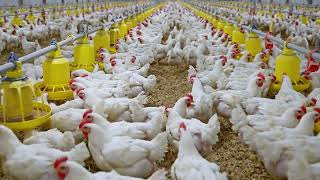
- Improved Gut Health: PFAs help maintain a balanced gut microbiota, leading to better nutrient absorption and overall health. Research indicates that these additives can significantly enhance gut health, particularly in poultry.
- Antimicrobial Properties: Many phytogenic compounds possess natural antimicrobial properties, which can reduce the incidence of diseases caused by pathogens.
- Growth Promotion: PFAs can stimulate growth and improve feed conversion ratios, making them an effective herbal growth promoter in livestock.
- Antioxidative and Anti-Inflammatory Effects: The antioxidative properties of PFAs can help mitigate oxidative stress in animals, promoting overall well-being.
Types of Phytogenic Feed Additives
There is a wide variety of phytogenic feed additives available, each with unique properties and benefits. Some common examples include:
- Essential Oils: Derived from various plants, essential oils like thyme and oregano are known for their powerful antimicrobial effects.
- Herbs and Spices: Ingredients like garlic and ginger can enhance flavor while providing health benefits to livestock.
- Plant Extracts: Extracts from plants like aloe vera and rosemary are incorporated for their immunomodulatory and health-promoting properties.
Implementing Phytogenic Feed Additives in Animal Nutrition
To effectively incorporate phytogenic feed additives into your animal nutrition program, consider the following practical tips:
- Start Gradually: Introduce PFAs into your livestock's diet slowly to monitor their response. This approach helps in assessing the effectiveness and making necessary adjustments.
- Consult Experts: Work with a veterinarian or animal nutritionist familiar with phytogenic feed additives to help formulate an effective diet plan.
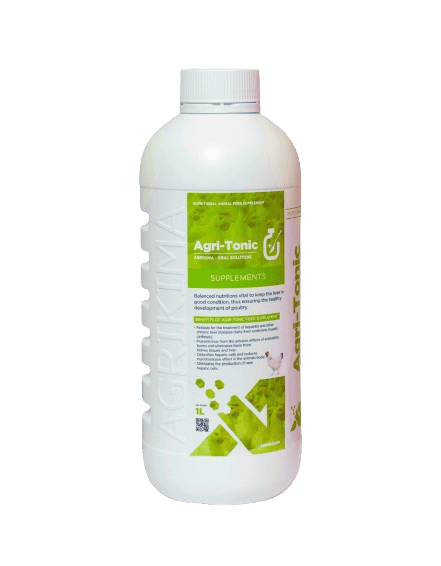
- Quality Matters: Ensure that the phytogenic products you choose are of high quality and sourced from reputable suppliers. Agrikima offers a range of natural animal health solutions and supplements tailored for your livestock needs.
Research Backing Phytogenic Feed Additives
Numerous studies have highlighted the effectiveness of phytogenic feed additives. For example, a study found that a blend of phytogenic compounds, including thymol and oleic acid, mitigated gut damage in broilers suffering from necrotic enteritis. This underscores the potential of PFAs in enhancing animal health and performance.
Challenges and Considerations
While the benefits of phytogenic feed additives are promising, there are challenges in their application:
- Variability in Composition: The composition of phytogenic compounds can vary significantly based on plant source and extraction methods, potentially affecting their efficacy.
- Standardization: There is a need for standardized formulations to ensure consistent results across different livestock species.
- Regulatory Approval: Depending on your region, some phytogenic additives may require regulatory approval before use in animal feed.
Conclusion
Phytogenic feed additives represent a promising alternative to traditional antibiotics in livestock nutrition. With their numerous health benefits and lower risk of resistance development, PFAs can play a crucial role in promoting sustainable animal farming. By integrating these natural solutions into your feeding strategies, you can enhance animal health and productivity while meeting consumer demands for antibiotic-free products.
For more information on incorporating phytogenic feed additives into your livestock's diet, consider consulting with Agrikima. Our quality veterinary products and supplements can support your journey towards healthier, more productive animals.
Your message to the team
Sources: Read More
- Phytogenic feed additives as natural antibiotic alternatives in animal health and production: A review of the literature of the last decade — ScienceDirect
- Phytogenic Feed Additives as an Alternative to Antibiotic Growth Promoters in Broiler Chickens — PubMed
- Phytogenic compounds as alternatives to in-feed antibiotics: potentials and challenges in application — PubMed
- Assessing the potential of phytogenic feed additives: A comprehensive review on their effectiveness as a potent dietary enhancement for nonruminant in swine and poultry — PubMed
- Phytogenic feed additive mitigates necrotic enteritis-associated gut damage and performance loss in broilers — ScienceDirect