Essential Pig Breeding Tips for Herd Improvement
Pig Breeding: Tips to Improve Your Herd Quality
Improving the quality of your pig herd is essential for maximizing productivity and profitability in swine farming. In this guide, we will explore practical pig breeding tips that can significantly enhance your herd quality while addressing key aspects such as the swine reproduction cycle, farrowing management, and boar selection.
Understanding the Swine Reproduction Cycle
To effectively manage pig breeding, it is crucial to understand the swine reproduction cycle. The reproductive cycle of a sow typically lasts about 21 days and includes the following stages:
- Estrus: This is the period when the sow is in heat and is receptive to mating, lasting 2-3 days.
- Gestation: After successful mating, the gestation period lasts about 114 days.
- Farrowing: This is the birthing process, where the sow delivers piglets.
- Lactation: The sow nurses the piglets for about 3-4 weeks before weaning.
Understanding these stages can help farmers time breeding and farrowing more effectively, ultimately improving herd quality.
Tip 1: Optimize Breeding Timing
To enhance your herd quality, it is vital to optimize breeding timing. Monitor your sows for signs of heat, such as increased vocalizations and restlessness. Utilizing heat detection aids, such as heat mount detectors or even a simple boar exposure, can ensure timely breeding. In doing so, you can improve conception rates and overall herd performance.
Tip 2: Focus on Boar Selection
Boar selection is a critical factor in pig breeding. Choosing the right boar can significantly influence the quality of piglets. When selecting boars, consider the following:
- Genetics: Select boars with proven genetics for traits such as growth rate, feed efficiency, and disease resistance.
- Conformation: Choose boars with good body structure, as this can impact the health and productivity of the offspring.
- Health Status: Ensure boars are free from diseases and have been vaccinated as necessary.
By investing time in boar selection, you can set a solid foundation for a productive breeding program.
Tip 3: Implement Effective Farrowing Management
Effective farrowing management is crucial for the health of both sows and piglets. Here are some key practices to consider:
- Farrowing Facilities: Ensure that your farrowing facilities are clean, comfortable, and well-ventilated to minimize stress on the sow.
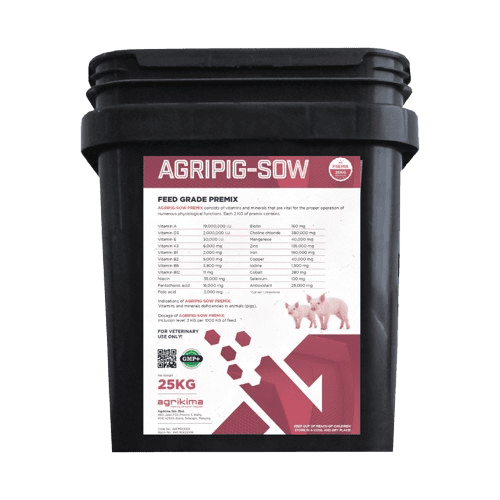
- Nutritional Support: Provide a balanced diet rich in vitamins and minerals during the gestation and lactation phases to support both the sow's health and milk production.
- Monitoring: Monitor sows closely during farrowing for any complications, and be prepared to assist if necessary.
Proper farrowing management will lead to healthier piglets and improve overall herd quality.
Tip 4: Nutrition and Health Management
Nutrition plays a vital role in the health and productivity of pigs. Implementing a well-balanced feeding program that meets the specific nutritional needs of your pigs can lead to better growth rates and reproductive performance. Additionally, consider integrating natural animal health solutions and supplements into your feeding regimen to enhance immune function and overall health.
Tip 5: Regular Health Checks and Biosecurity
Regular health checks and robust biosecurity measures are essential for maintaining herd quality. Conduct routine health assessments to identify any signs of disease early. Implement biosecurity protocols, such as limiting access to the farm and quarantining new animals, to prevent disease transmission. Using quality veterinary products can also aid in disease prevention and management.
Conclusion
Improving the quality of your pig herd requires a multifaceted approach that includes understanding the swine reproduction cycle, optimizing breeding timing, making informed boar selections, and implementing effective farrowing management. Incorporating proper nutrition and health management practices will further enhance the overall quality of your herd. By following these pig breeding tips, you can set your farm up for long-term success and profitability.