Pig Fattening Timeline: From Weaner to Market
Introduction
In pig farming, understanding the pig fattening timeline is crucial for maximizing profits. This timeline outlines the growth stages of pigs from weaning to market, allowing farmers to plan effectively for pork production costs and optimize their pig farming budget.
The Pig Fattening Timeline
The journey from weaner to market-ready pig typically spans 22 to 26 weeks (about 6 months) in a farrow-to-finish operation. During this period, farmers must ensure proper nutrition, health care, and management practices to achieve optimal growth rates.
1. Weaning Stage (4-6 Weeks)
Weaning usually occurs when piglets are around 4 to 6 weeks old, weighing between 7 to 14 kg. During this crucial phase, piglets should be provided with high-quality starter feed and access to clean water. Proper nutrition is vital for setting the foundation for their growth.
- Introduce high-protein feeds with essential vitamins and minerals.
- Monitor the health of each piglet closely to prevent illness.
2. Growing Stage (6-12 Weeks)
After weaning, pigs enter the growing stage, lasting until about 12 weeks. During this period, their weight should increase significantly. Farmers should focus on:
- Feeding a balanced diet that promotes rapid weight gain.
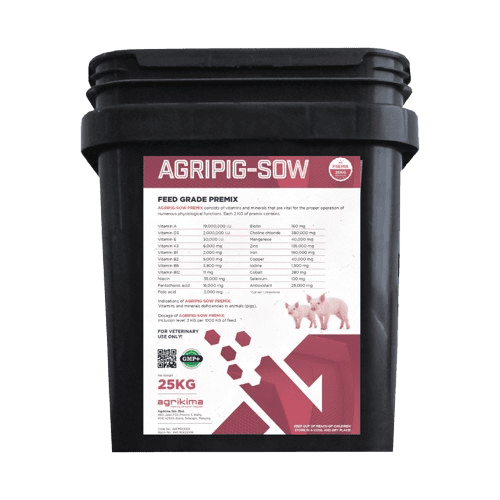
- Using quality veterinary products to manage health, including vaccinations and deworming schedules.
Farmers may also consider supplementing growth with feed additives that enhance digestibility and nutrient absorption.
3. Finishing Stage (12-26 Weeks)
The finishing stage is where pigs are fattened for market. This stage can last from 12 to 26 weeks, depending on the desired market weight, which is generally around 100-120 kg for slaughter. Key aspects during this time include:
- Adjusting feed rations to ensure optimal growth without overfeeding.
- Monitoring weight regularly to decide the right time for market.
- Maintaining a clean and comfortable living environment to reduce stress.
Feed costs during this period will be a significant part of the pig farming budget, so careful management is essential.
Calculating the Pig Farming Budget
Creating a pig farming budget involves estimating several key costs:
- Feed Costs: This is usually the largest expense. Consider the price of feed per tonne and the expected feed conversion ratio (FCR) during the fattening process.
- Health Care: Budget for veterinary services, vaccinations, and medications. Regular health checks can prevent costly disease outbreaks.
- Housing and Equipment: Ensure your facilities can support the pigs' growth stages, including proper ventilation and space for movement.
Effective budgeting helps farmers to minimize the pork production cost and maximize profitability. Farmers should also keep track of market prices for pigs, as this can affect their financial planning.
Example Budget Breakdown
A simplified example of a pig farming budget for a batch of 30 pigs might look like this:
- Feed Costs: $2,000
- Health Care: $300
- Housing and Equipment: $500
- Total Estimated Costs: $2,800
- Expected Revenue (at market weight): $4,500 (based on average market price)
This example highlights the importance of careful planning and monitoring to ensure profitability in pig farming.
Conclusion
Understanding the pig fattening timeline from weaner to market is vital for any pig farmer aiming for success. By maintaining a close eye on growth stages and managing the pig farming budget effectively, farmers can optimize their operations and ensure a profitable pork production cycle. Incorporating quality veterinary products and supplements can further enhance pig health and growth, leading to better market outcomes.
Your message to the team
Sources: Read More
- Hogs & Pork - Sector at a Glance — USDA Economic Research Service
- 2. DESCRIPTION OF LLM SYSTEMS — Food and Agriculture Organization (FAO)
- Weaner Pig Breakeven at $103.58, Up $2.28 From Last Week — Pork Business
- Production and economic risk analysis of pig fattening — University of Debrecen
- Pig farming in rural areas of Gabon — Food and Agriculture Organization (FAO)
- Economic optimization of feeding and shipping strategies in pig-fattening using an individual-based model — AGROVOC