Understanding Piglet Mortality in the First Week
Why Are Your Piglets Dying in the First Week?
Farrowing problems can lead to significant challenges in piglet survival. The first week of a piglet's life is critical, and the mortality rate can be alarmingly high if proper care is not implemented. Understanding the reasons behind this high mortality rate is essential for farmers looking to improve their operation's efficiency and enhance piglet survival rates.
Common Causes of Piglet Mortality in the First Week
- Inadequate Colostrum Intake: Newborn piglets rely on colostrum, the first milk produced by the sow, for essential nutrients and antibodies. If they do not receive enough within the first few hours of life, their chances of survival decrease significantly.
- Environmental Stress: A stressful environment can lead to weakened immune systems in piglets. Factors such as extreme temperatures, poor ventilation, and overcrowding can contribute to this stress.
- Health Issues: Congenital defects, infections, or diseases can also lead to high mortality rates. It’s crucial to monitor the health of both the sow and her piglets closely.
- Poor Nutrition: Sows that are not adequately nourished during pregnancy and lactation can produce weaker piglets. A balanced diet is vital for both the sow and her offspring.
- Farrowing Complications: Difficulties during farrowing can result in injury to the piglets or the sow, affecting the piglets' ability to survive.
Strategies to Improve Piglet Survival Rates
To reduce piglet mortality in the first week, farmers can implement several strategies:
1. Ensure Adequate Colostrum Intake
Make sure that each piglet receives at least 10% of its body weight in colostrum within the first 24 hours after birth. Monitor the sows closely during farrowing to ensure that each piglet is nursing effectively.
2. Create a Comfortable Environment
Maintain an optimal temperature and adequate ventilation in the farrowing area. Use heat lamps or heat mats to keep piglets warm, especially in colder climates.
3. Monitor Health Regularly
Regularly check the health of both sows and piglets. Be vigilant for signs of illness and consult a veterinarian if any issues arise. Vaccinations and health supplements can also be beneficial.
4. Provide Proper Nutrition
Ensure that sows receive a balanced diet that meets their nutritional needs during pregnancy and lactation. High-quality feed can make a significant difference in the health of both the sow and her piglets.
5. Address Farrowing Problems
Understand the common farrowing problems that may arise and how to manage them effectively. This can include ensuring that the sow is in good condition prior to giving birth and providing assistance during difficult births if needed.
Utilizing Quality Veterinary Products
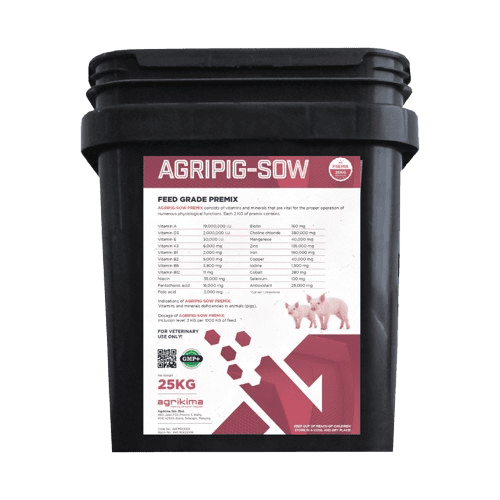
In addition to improving management practices, consider using quality veterinary products and supplements specifically designed for piglet care. These products can boost immunity, improve nutrition, and enhance overall health, leading to a higher piglet survival rate.
Conclusion
Piglet mortality in the first week can be a significant issue for farmers, but by understanding the causes and implementing effective strategies, you can significantly improve the survival rates of your piglets. Focus on proper newborn piglet care, provide a stress-free environment, and ensure that sows are healthy and well-nourished. With these measures in place, you can reduce mortality rates and increase the productivity of your pig farming operation.