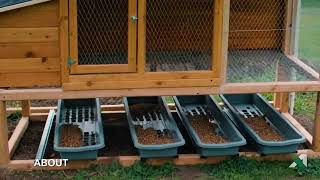
Effective Poultry Litter Management for Healthier Birds
Understanding Poultry Litter Management
Poultry litter management is a crucial aspect of poultry farming that impacts bird health, farm hygiene, and overall productivity. Proper management of chicken bedding not only keeps your birds comfortable but also minimizes health risks associated with poor litter conditions. This blog post will explore effective strategies to manage poultry litter, control ammonia levels, and maintain a hygienic farm environment.
The Importance of Poultry Litter Management
Effective poultry litter management plays a vital role in:
- Enhancing bird health and welfare
- Reducing ammonia levels that can harm respiratory health
- Improving farm hygiene and reducing disease outbreaks
- Promoting better feed efficiency and growth rates
Healthier Birds Through Proper Bedding
Using appropriate chicken bedding materials is key to effective poultry litter management. Bedding absorbs moisture, reduces odors, and provides a comfortable environment for the birds. Common bedding materials include:
- Wood shavings
- Straw
- Rice hulls
- Pine needles
Choose bedding that is dry, clean, and free from mold to maintain a healthy environment for your poultry.
Strategies for Effective Poultry Litter Management
1. Regular Cleaning and Maintenance
To maintain a hygienic farm, remove old litter regularly. Here are some tips:
- Conduct weekly inspections to check for accumulated droppings.
- Remove litter every 2-4 weeks, depending on flock size and type.
- Use a shovel or litter fork to remove the soiled bedding efficiently.
2. Controlling Ammonia Levels
High ammonia levels can lead to serious respiratory issues in poultry. To manage ammonia:
- Ensure good ventilation in poultry houses to allow fresh air circulation.
- Regularly turn the litter to promote aeration and drying.
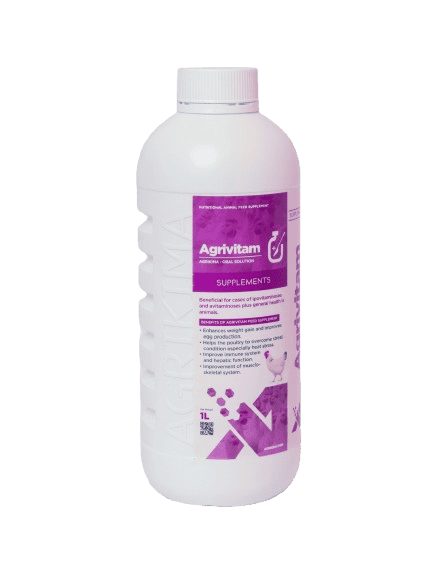
- Consider using quality veterinary products and supplements that can help reduce ammonia production in litter.
3. Adding Fresh Bedding
After cleaning, add fresh bedding to ensure your birds have a comfortable environment. Here’s how:
- Spread a layer of fresh bedding evenly across the floor.
- Aim for a depth of 5-7 cm to provide adequate cushioning and absorb moisture.
- Monitor the condition of the bedding regularly and replenish as needed.
4. Composting Litter
Composting your poultry litter can turn waste into valuable fertilizer. Follow these steps:
- Collect clean litter and mix it with carbon-rich materials like dried leaves or straw.
- Turn the compost pile regularly to aerate and speed up decomposition.
- Monitor moisture levels to ensure efficient composting.
Maintaining Farm Hygiene
Farm hygiene is essential for preventing disease outbreaks among your poultry. Here are some best practices:
- Implement a biosecurity plan to prevent disease introduction.
- Ensure that all equipment and footwear are clean before entering poultry areas.
- Isolate new birds for a minimum of 30 days before introducing them to existing flocks.
Monitoring Bird Health
Regular health checks are vital to ensure your birds are thriving. Look for signs of stress or illness, such as:
- Changes in eating or drinking habits
- Abnormal droppings
- Decreased egg production
Consider consulting with a veterinarian for quality supplements to support the health of your poultry.
Conclusion
Managing poultry litter effectively is essential for maintaining the health of your birds and ensuring a successful poultry operation. By implementing regular cleaning, controlling ammonia levels, using quality bedding, and maintaining good farm hygiene, you can create a safe and productive environment for your poultry. Remember, investing in high-quality veterinary products and supplements can further enhance the health and performance of your flock.