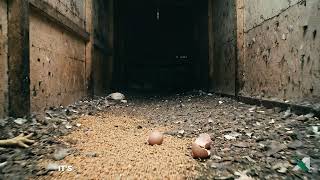
Understanding Poultry Stocking Density for Optimal Health
Introduction to Poultry Stocking Density
When it comes to poultry farming, one of the key factors that can significantly impact both bird health and productivity is poultry stocking density. This refers to the number of birds housed within a given space, typically measured in birds per square metre. Getting this right is crucial; overcrowding chickens can lead to a host of issues, including increased disease susceptibility and reduced growth performance.
What is Stocking Density?
Stocking density is a measure of how many birds are kept in a specific area of poultry housing. It is essential to strike a balance; too few birds can lead to inefficiencies, while too many can cause stress and health issues. According to experts, optimal stocking density can vary depending on the type of poultry, but for chickens, a general guideline suggests around 3 to 4 birds per square metre is ideal for comfort and health.
Why is Stocking Density Important?
Correct stocking density is vital for several reasons:
- Health and Welfare: High stocking density can lead to stress, which negatively affects the birds' immune systems, making them more vulnerable to diseases.
- Production Performance: Studies indicate that overcrowded conditions can lead to poor production metrics, such as lower body weight and feed efficiency.
- Behavioral Issues: Insufficient space can lead to negative behaviors like cannibalism and feather pecking.
Calculating Your Poultry House Space
To determine how many birds your poultry house can hold, follow these steps:
- Measure Your Space: Calculate the total area of your poultry house in square metres.
- Determine Ideal Stocking Density: Use the optimal stocking density for your type of poultry. For example, a comfortable density for chickens is 3-4 birds per square metre.
- Calculate Total Birds: Multiply the total area by the number of birds allowed per square metre. For instance, if your poultry house is 100 square metres and you opt for 4 birds per square metre, you can house 400 birds.
Impact of Overcrowding
Overcrowding chickens can lead to serious health issues, including:
- Airborne Pathogens: High stocking density often correlates with increased airborne pathogens, resulting in disease outbreaks.
- Behavioral Problems: Birds kept in cramped conditions may become aggressive, leading to injuries and stress-related illnesses.
- Reduced Productivity: Overcrowded birds tend to exhibit lower growth rates and poorer feed conversion ratios.
Tips for Managing Stocking Density
To ensure you maintain an optimal poultry house space, consider the following tips:
- Regular Monitoring: Keep an eye on bird behavior and health. If you notice signs of stress or aggression, reevaluate your stocking density.
- Space Allocation: Ensure that your poultry house allows for adequate space per bird, based on the guidelines mentioned earlier.
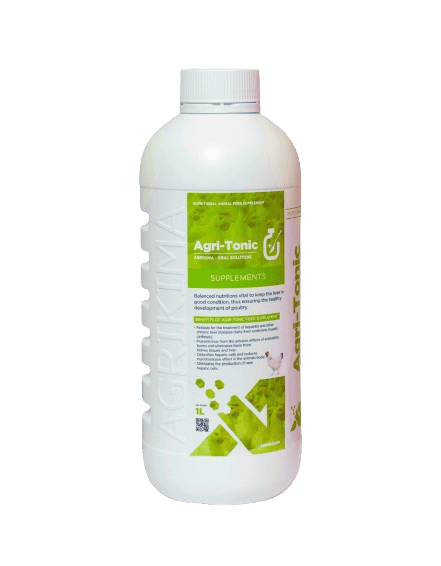
- Quality Products: Utilize veterinary products and supplements to support the health of your birds, particularly in challenging environments where stocking density is high.
- Ventilation: Good airflow can help reduce airborne pathogens, thus mitigating some risks associated with higher stocking densities.
Conclusion
Understanding and managing poultry stocking density is crucial for any poultry farmer aiming for a successful operation. By calculating the right number of birds for your poultry house and ensuring adequate space for each bird, you can promote better health, enhance productivity, and minimize behavioral issues. Remember, investing in quality veterinary solutions can significantly benefit your flock's overall health and performance.
Your message to the team
Sources: Read More
- Effects of stocking density on broiler production parameters — Poultry World
- Commercial Poultry Production Stocking Density Influence on Bird Health and Performance Indicators — FAO AGRIS
- SPACE ALLOWANCES IN HOUSING FOR SMALL AND BACKYARD POULTRY FLOCKS — Extension
- Small-scale poultry production — FAO
- POULTRY INDUSTRY MANUAL — USDA APHIS