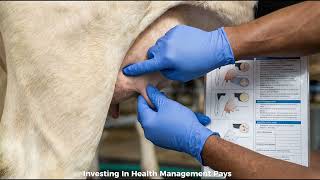
Effective PPR Outbreak Response Plan for Farmers
Understanding Peste des Petits Ruminants (PPR)
Peste des Petits Ruminants (PPR), commonly known as goat plague, is a highly contagious viral disease affecting small ruminants like goats and sheep. The disease can lead to severe economic losses due to high mortality rates and decreased productivity. Therefore, having an effective PPR outbreak response plan is crucial for farmers to protect their livestock and livelihoods.
The Importance of an Outbreak Response Plan
An outbreak response plan is essential for early detection and rapid intervention during a PPR outbreak. This plan should integrate vaccination, biosecurity measures, and surveillance strategies to minimize the spread of the virus.
Key Components of a PPR Outbreak Response Plan
- Vaccination: Vaccination is the cornerstone of PPR control. Implementing a routine vaccination schedule for goats can significantly reduce the incidence of PPR. As per the FAO, vaccination campaigns are vital to controlling the outbreak and protecting herds from infection.
- Surveillance: Regular monitoring of livestock for clinical signs of PPR is critical. Farmers should be trained to recognize symptoms such as fever, nasal discharge, and mouth lesions, which can indicate an outbreak.
- Biosecurity Measures: Implementing strict biosecurity measures can help prevent the introduction and spread of PPR. This includes controlling animal movement, disinfecting equipment, and isolating new or sick animals.
- Communication: Establishing clear communication channels within farming communities can facilitate quick reporting of suspected cases, ensuring timely responses.
Steps for an Effective PPR Outbreak Response
When a PPR outbreak is suspected, farmers should follow these steps to effectively manage the situation:
1. Immediate Isolation
Immediately isolate any animals showing signs of illness to prevent the spread of the virus to healthy livestock. This should be done in a designated quarantine area away from the rest of the herd.
2. Notify Authorities
Contact local veterinary authorities to report the outbreak. They can provide guidance and support in managing the situation, including testing and additional vaccinations if necessary.
3. Enhance Surveillance
Increase monitoring of all animals within the herd. Look for any signs of PPR and maintain a detailed record of health status, which can aid in tracking the spread of the disease.
4. Vaccination Campaign
Conduct an emergency vaccination campaign for all susceptible animals, particularly those within a high-risk zone. The USDA emphasizes that timely vaccination is crucial for containment.
5. Implement Biosecurity Measures
Reinforce biosecurity protocols by:
- Disinfecting all equipment and vehicles that may have come into contact with infected animals.
- Restricting access to the farm and ensuring that visitors follow sanitation procedures.
6. Educate Farm Workers
Training farm workers about PPR, its symptoms, and prevention strategies is vital. They should understand the importance of reporting any suspicious signs immediately.
7. Culling Infected Animals
In severe cases where animals are infected with PPR, culling may be necessary to prevent further spread. This should be done in consultation with veterinary authorities to ensure compliance with local regulations.
Long-term Strategies for PPR Prevention
Beyond immediate response actions, implementing long-term strategies can help prevent future outbreaks:
- Routine Vaccination: Establish a regular vaccination schedule for all goats, as continuous vaccination is essential for maintaining herd immunity against PPR.
- Improved Herd Management: Invest in good herd management practices, including proper nutrition and health monitoring, to enhance overall animal resilience.
- Advocacy for Research: Advocate for ongoing research and development of more effective vaccines and treatments for PPR, as highlighted by ongoing studies.
Conclusion
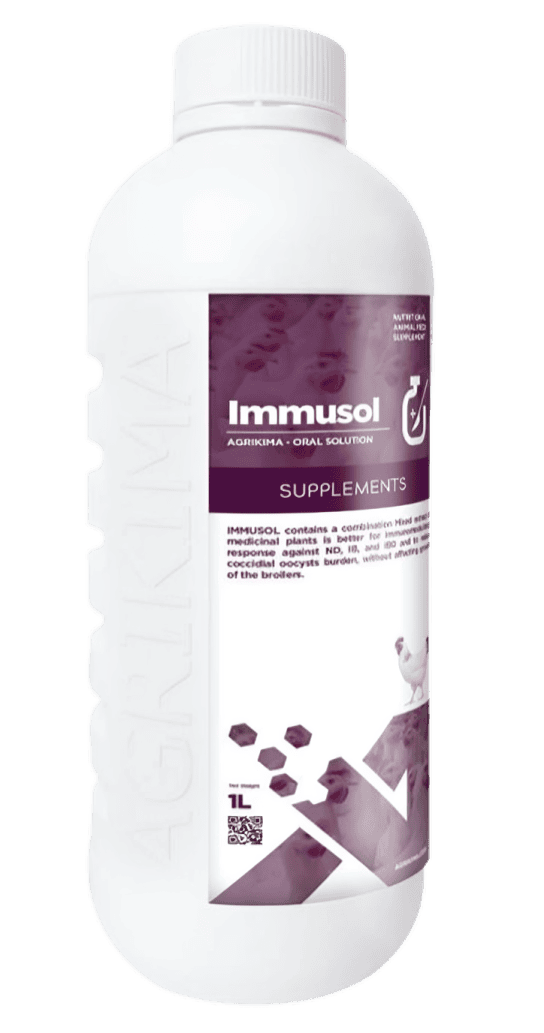
In conclusion, preparing for a PPR outbreak requires a well-structured response plan that includes immediate action, vaccination, and strict biosecurity measures. By following these guidelines, farmers can effectively manage outbreaks and protect their livestock from the devastating impacts of PPR. Additionally, utilizing quality veterinary products and supplements can further enhance your herd's health and resilience against diseases.
Your message to the team
Sources: Read More
- Peste des Petits Ruminants (PPR) Control and Eradication Strategy — Food and Agriculture Organization (FAO)
- Peste des Petits Ruminants (PPR) in Sheep and Goats — United States Department of Agriculture (USDA)
- Peste des Petits Ruminants (PPR) - Prevention and Control — World Organisation for Animal Health (OIE)
- Peste des Petits Ruminants (PPR) - A Threat to Small Ruminant Production — National Center for Biotechnology Information (NCBI)
- Peste des Petits Ruminants (PPR) - Disease Control Strategies — Centre for Agriculture and Bioscience International (CABI)
- Peste des Petits Ruminants (PPR) - A Review of Current Status and Control Measures — Vaccine Journal