Pregnancy Toxaemia and Milk Fever in Ewes and Does
Understanding Pregnancy Toxaemia in Ewes and Does
Pregnancy toxaemia, also known as twin lamb disease, is a serious metabolic disorder that occurs in pregnant ewes and does during the late stages of gestation, especially in those carrying multiple fetuses. This condition arises when the energy demands of the developing fetuses exceed the nutritional intake of the mother, leading to abnormal metabolism of carbohydrates and fats. As a result, the ewe or doe can experience hypoglycemia and ketosis, which can ultimately threaten the health of both the mother and her offspring.
Causes of Pregnancy Toxaemia
- Multiple fetuses: Ewes and does carrying twins or triplets are at a higher risk.
- Inadequate nutrition: A diet lacking in essential nutrients can lead to energy deficiency.
- Obesity: Overweight animals may have a higher incidence due to impaired metabolism.
- Stress factors: Environmental stressors can exacerbate the condition, affecting overall health.
Recognizing Symptoms
Early detection of pregnancy toxaemia is crucial for effective management. Common signs to look out for include:
- Loss of appetite or reduced feed intake
- Weight loss or poor body condition
- Weakness or lethargy
- Abnormal behavior, such as isolation from the flock
- Neurological signs such as incoordination or tremors
If you notice any of these symptoms, it is essential to consult a veterinarian immediately for further evaluation and treatment options.
Managing Pregnancy Toxaemia
Management strategies for pregnancy toxaemia should focus on prevention and early intervention:
- Balanced Diet: Ensure that ewes and does receive a well-balanced diet rich in energy, protein, vitamins, and minerals during pregnancy. This is particularly vital in the last trimester when energy demands increase significantly.
- Frequent Monitoring: Regularly assess body condition scores to identify animals that may be at risk. Adjust feeding strategies accordingly.
- Reduce Stress: Minimize environmental stressors such as overcrowding, extreme weather, and transport during late pregnancy.
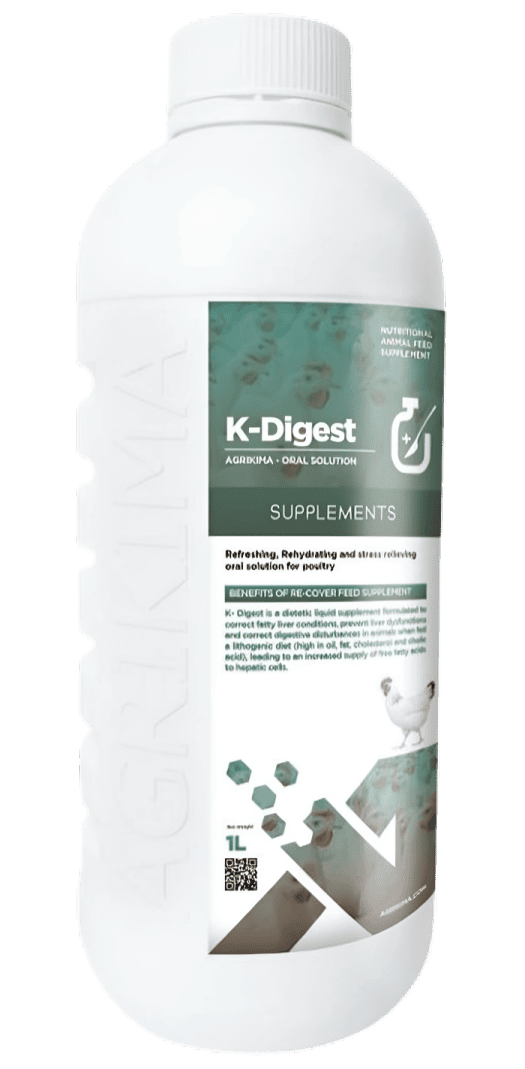
- Supplementation: Consider using high-quality supplements or veterinary products that can provide additional energy and nutrients to support the health of pregnant ewes and does.
Milk Fever in Sheep and Goats
Another metabolic disorder that can affect ewes and does around the time of parturition is milk fever, also known as hypocalcemia. This condition arises due to low levels of calcium in the blood, which can occur when the demands for calcium exceed the dietary intake, particularly during lactation.
Identifying Symptoms of Milk Fever
Recognizing the symptoms of milk fever is critical for timely intervention. Symptoms may include:
- Muscle tremors and weakness
- Staggering or difficulty standing
- Cold extremities
- Loss of appetite
In severe cases, affected animals may become recumbent and require immediate veterinary attention.
Preventing Milk Fever
To prevent milk fever in ewes and does, consider the following strategies:
- Prepartum Nutrition: Ensure adequate calcium levels in the diet leading up to parturition. This can include providing a calcium-rich mineral supplement.
- Transition Management: Gradually introduce changes in diet to help the animal adapt to increased calcium demands during lactation.
- Hydration: Ensure that water is always available, as hydration plays a role in calcium metabolism.
Conclusion
Pregnancy toxaemia and milk fever are serious metabolic disorders that can impact the health of ewes and does, particularly during late pregnancy and lactation. By understanding the causes, symptoms, and management strategies for these conditions, farmers can take proactive steps to ensure the health and productivity of their flocks. Incorporating quality veterinary products and supplements into your management practices can also support the overall well-being of pregnant ewes and does, helping to prevent these metabolic diseases.