Preventing Cross-Contamination Between Feeds
Understanding Cross-Contamination in Feeds
Cross-contamination in animal feed refers to the unwanted transfer of substances, particularly those that could be harmful to animal health, from one type of feed to another. This is especially critical when it comes to medicated feeds, which are designed to prevent or treat specific health issues in livestock. Understanding how cross-contamination occurs is the first step in preventing it.
What Causes Cross-Contamination?
Cross-contamination can occur at various stages of the feed production process, including:
- During feed processing, where residues from medicated feeds may remain in equipment.
- In storage facilities, where different types of feed might be stored too closely together.
- During transportation, where feed trucks may not be adequately cleaned between loads.
To mitigate these risks, it’s crucial to implement effective cleaning and management protocols.
Importance of Feed Mill Flush
One of the primary strategies to prevent cross-contamination is to perform a thorough feed mill flush. This process involves cleaning feed production equipment between different batches to eliminate any residues that may contaminate subsequent feeds.
Steps for Effective Feed Mill Flush
- Step 1: Empty Equipment - Ensure all equipment is completely empty before starting the flush.
- Step 2: Clean with Appropriate Agents - Use suitable cleaning agents recommended for feed equipment to remove residues.
- Step 3: Rinse Thoroughly - After cleaning, rinse all surfaces to eliminate any cleaning agent residues.
- Step 4: Dry Equipment - Ensure that all equipment is completely dry before introducing a new feed type.
Following these steps will significantly reduce the risk of cross-contamination between medicated and non-medicated feeds.
Sequencing Feed: A Preventive Measure
Another effective way to prevent cross-contamination is through careful sequencing of feed production. This involves planning the order in which different types of feeds are produced, starting with non-medicated feeds and transitioning to medicated feeds. This method helps to minimize the risk of carryover from one feed type to another.
Best Practices for Feed Sequencing
- Plan Ahead - Develop a feed production schedule that prioritizes non-medicated feeds.
- Monitor Production Lines - Keep track of the production lines and ensure they are used in the correct sequence.
- Document Procedures - Maintain records of feed production to identify any potential issues quickly.
Understanding Antibiotic Carryover
Antibiotic carryover is a significant concern when it comes to medicated feeds. This refers to the presence of veterinary drug residues in non-medicated feeds due to inadequate cleaning or sequencing practices. Such carryover can pose serious risks to animal health and human safety, particularly if sensitive species consume contaminated feed.
To manage antibiotic carryover effectively:
- Implement Strict Cleanout Procedures - Follow the guidelines established by feed safety authorities to ensure thorough cleaning of equipment after medicated feed production.
- Train Staff - Ensure that all staff involved in feed production are trained on the importance of preventing carryover and the appropriate procedures to follow.
- Conduct Regular Audits - Perform routine audits of feed production processes to identify potential areas of risk and ensure compliance with safety standards.
The Role of Quality Veterinary Products
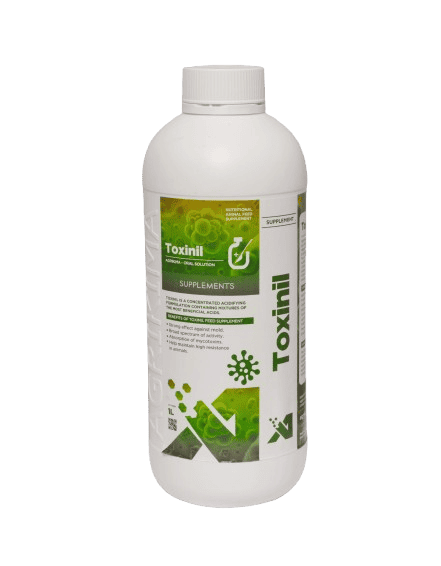
Using quality veterinary products and supplements can help improve the overall health of your livestock, potentially reducing the need for medicated feeds. By enhancing the immune system and overall wellness of the animals, these products can mitigate health issues that require medication.
Consult with a veterinarian to select the best natural health solutions and supplements that suit your farming needs.
Conclusion
In summary, preventing cross-contamination between medicated and non-medicated feeds is essential for maintaining the health of your livestock and ensuring food safety. By implementing effective feed mill flush procedures, practicing careful feed sequencing, and being vigilant about antibiotic carryover, farmers can protect their animals and their businesses. Incorporating quality veterinary products can also contribute to reducing reliance on medicated feeds, promoting a healthier farming environment.
Your message to the team
Sources: Read More
- Measurement of Feed Carryover Level — Canadian Food Inspection Agency
- Validating equipment cleanout procedures for medication or unapproved ingredient residues — Canadian Food Inspection Agency
- Codex experts discuss risks of contamination in feed from carryover — Food and Agriculture Organization of the United Nations
- Preventing Cross-Contamination — Penn State Extension
- Control of feedborne hazards — Food and Agriculture Organization of the United Nations
- Carryover in feed and transfer from feed to food of unavoidable and unintended residues of approved veterinary drugs — Food and Agriculture Organization of the United Nations