Preventing Foot Rot in Dairy Cattle: Effective Strategies
Understanding Foot Rot in Dairy Cattle
Foot rot is a common and painful condition affecting dairy cattle, characterized by inflammation and infection of the hoof. It can lead to significant lameness, affecting a cow's mobility and overall health. If not addressed promptly, foot rot can result in decreased milk production and increased veterinary costs. This article will explore effective foot rot cattle treatment and prevention strategies, emphasizing the importance of hoof care, livestock hygiene, and proactive management.
Causes of Foot Rot
Foot rot is primarily caused by a combination of environmental conditions and poor hoof care. The following factors contribute to the development of foot rot:
- Moisture: Wet and muddy conditions can soften the hoof and promote bacterial growth.
- Poor hygiene: Dirty living conditions can harbor bacteria, increasing the risk of foot infections.
- Nutritional deficiencies: Lack of essential nutrients may weaken the immune system, making cattle more susceptible to infections.
- Trauma: Injuries to the hooves can create entry points for bacteria.
Preventing Foot Rot: Best Practices
1. Maintain Proper Hoof Care
Regular hoof trimming is essential to prevent foot rot. Trimming helps maintain proper hoof shape and prevents overgrowth, which can lead to cracks and injuries.
- Schedule hoof trimming every 6 to 8 weeks.
- Use appropriate tools for trimming to avoid causing trauma.
- Inspect hooves regularly for signs of disease or injury.
2. Ensure Optimal Cattle Hygiene
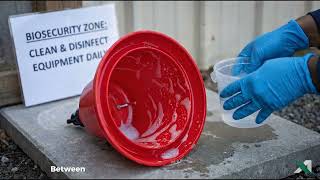
Maintaining a clean living environment for your cattle is crucial in preventing foot rot. Implement the following hygiene practices:
- Clean and disinfect housing areas regularly to reduce bacterial load.
- Provide dry bedding to keep hooves clean and reduce moisture exposure.
- Separate sick animals to prevent the spread of infection.
3. Monitor and Manage Pasture Conditions
The condition of pastures can significantly affect hoof health. Consider these management strategies:
- Avoid overgrazing to reduce soil erosion and muddy conditions.
- Implement rotational grazing practices to allow pastures to recover.
- Provide adequate drainage in grazing areas to prevent water accumulation.
4. Focus on Nutrition
A balanced diet is vital for maintaining the overall health of your dairy cattle. Ensure that your cows receive:
- A diet rich in vitamins and minerals, particularly zinc and biotin, which are essential for hoof health.
- Quality feed that supports the immune system and reduces the risk of infections.
- Access to clean, fresh water at all times.
5. Use Quality Veterinary Products
Incorporating veterinary solutions can enhance hoof health and prevent foot rot. Consider the following:
- Use foot sprays or ointments that contain antibacterial agents to protect hooves.
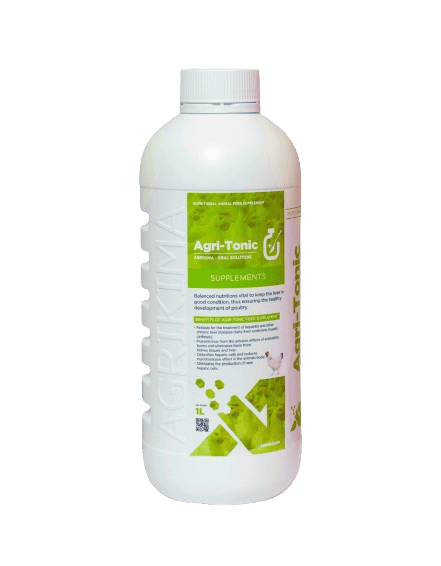
- Administer nutritional supplements that promote hoof strength and resilience.
- Consult with a veterinarian to develop a comprehensive hoof care program tailored to your herd.
Recognizing the Signs of Foot Rot
Early detection of foot rot is vital for effective treatment. Look for the following signs:
- Lameness or limping when walking.
- Swelling and redness around the hooves.
- Foul odor coming from the affected hoof.
- Separation of the hoof wall from the underlying tissue.
Treating Foot Rot in Dairy Cattle
If you suspect that a cow has foot rot, prompt treatment is essential:
- Isolate the affected animal to prevent the spread of infection.
- Consult with a veterinarian for appropriate foot rot cattle treatment options, which may include antibiotics and anti-inflammatory medications.
- Maintain proper hoof care during recovery to prevent recurrence.
Conclusion
Preventing foot rot in dairy cattle requires a multifaceted approach that includes diligent hoof care, maintaining hygiene, and ensuring proper nutrition. By implementing these strategies, you can significantly reduce the risk of lameness and promote the overall health of your dairy herd. Remember, quality veterinary products and supplements play a crucial role in maintaining hoof health and preventing foot rot. Regular monitoring and proactive management will lead to a more productive and healthier dairy operation.