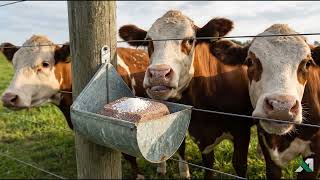
Preventing Urinary Calculi in Bucks and Rams

Understanding Urinary Calculi in Bucks and Rams
Urinary calculi, commonly known as urolithiasis, is a significant health issue affecting male goats (bucks) and sheep (rams). This condition occurs when mineral deposits form stones in the urinary tract, leading to painful blockages. Bucks and rams are particularly susceptible due to their unique anatomy, which includes a long sigmoid urethra and a vermiform appendage that can trap stones, causing severe urinary obstruction.
Why Males Are More Prone to Blockages
The primary reason why bucks and rams are more likely to experience urinary blockages relates to their anatomical structure. The narrow urethra means that even small stones can cause significant issues. Additionally, males are often fed diets that can lead to the formation of these stones, particularly when they are high in concentrates and low in roughage.
Causes of Urinary Calculi
Urinary calculi is primarily a nutritional disease, heavily influenced by diet and management practices. Key factors contributing to its development include:
- Improper Calcium-Phosphorus Ratio: The calcium to phosphorus ratio in the diet should be maintained around 2:1 to prevent stone formation. Diets too high in phosphorus can lead to calcium deficiencies and promote stone development.
- High-Concentrate Diets: Diets rich in grains and low in fiber can increase the risk of urinary stones. These diets often have a lower pH, which contributes to the formation of stones.
- Insufficient Water Intake: Proper hydration is crucial for preventing urinary calculi. Dehydration can concentrate minerals in urine, leading to stone formation.
Prevention Strategies for Urinary Calculi
Preventing urinary calculi in bucks and rams is essential for their health and productivity. Here are some effective strategies:
1. Adjust the Calcium-Phosphorus Ratio
Ensure that the diet maintains a healthy calcium to phosphorus ratio of approximately 2:1. This balance is vital for preventing mineral imbalances that can lead to urinary stones. Farmers should analyze their feed sources and make necessary adjustments, possibly incorporating mineral supplements designed for ruminants.
2. Increase Roughage
Incorporate more roughage into the diet. This includes hay and pasture, which can help promote healthy digestion and increase urine volume. A higher fiber intake can dilute the concentration of minerals in the urine, reducing the risk of stone formation.
3. Ensure Adequate Water Supply
Provide fresh, clean water at all times. Encourage higher water intake by adding salt to the feed or using mineral blocks to stimulate thirst. Increased hydration helps flush the urinary tract and reduce mineral concentration in urine, which is crucial for preventing blockages.
4. Use Ammonium Chloride
Consider adding ammonium chloride to the diet (about 0.5-1.5%) to help acidify the urine. Acidic urine can help dissolve certain types of stones and prevent their formation. However, be cautious not to over-acidify, as this can lead to other health issues.
5. Monitor Body Condition
Regularly assess the body condition of bucks and rams. Overweight animals are more prone to urinary issues due to increased fat deposits around the urethra, which can restrict urine flow. Maintain a balanced diet that supports healthy body condition without excessive weight gain.
Signs of Urinary Calculi to Watch For
Being vigilant about the signs of urinary calculi can lead to timely intervention and treatment. Look for the following symptoms:
- Straining to urinate or frequent attempts without success.
- Blood in the urine or a foul-smelling urine.
- Excessive licking of the genital area.
- Signs of pain, such as restlessness or kicking at the abdomen.
Conclusion
Preventing urinary calculi in bucks and rams is a crucial aspect of ruminant health management. By maintaining the proper calcium to phosphorus ratio, increasing roughage, ensuring adequate hydration, and monitoring body condition, farmers can significantly reduce the risk of this painful condition. Quality veterinary products and supplements can also play a vital role in supporting overall animal health. Taking these proactive steps will help ensure the well-being of your male sheep and goats, leading to healthier and more productive herds.
Your message to the team
Sources: Read More
- Urinary Calculi in Male Goats and Sheep (FS‑2021‑0581) — University of Maryland Extension
- Urinary Calculi in sheep and goats — Michigan State University Extension
- Urolithiasis in Ruminants — Merck Veterinary Manual
- Urinary Calculi in Wether Lambs/Kids (Fact Sheet 1.629) — Colorado State University Extension
- Urolithiasis in ruminants (PMC article) — Peer‑reviewed journal (PMC Biol. Dis. of Ruminants)
- Waterbelly in Small Ruminants — South Dakota State University Extension