Proper Feed Storage to Prevent Spoilage and Mould
Understanding Feed Storage Best Practices
Proper feed storage is crucial for maintaining the quality and safety of animal feed. Implementing effective feed storage best practices helps prevent feed spoilage and mold, ensuring your livestock receive nutritious feed without the risk of harmful contaminants.
Why Proper Feed Storage Matters
Feed spoilage can lead to significant financial losses and health issues in livestock. Spoiled feed often contains mycotoxins from mold, which can adversely affect animal health and productivity. By following best practices for feed storage, you can extend the feed shelf life and safeguard your animals' health.
Key Factors in Feed Storage
Moisture Control
One of the most critical factors in preventing feed spoilage and mold is moisture control. The ideal moisture content for stored feed is below 13%. In humid climates, it’s essential to monitor moisture levels closely, as high humidity can encourage mold growth.
- Use moisture meters to check the moisture content of grains and forages before storage.
- Store feeds in cool, dry areas to maintain low moisture levels.
- Regularly inspect stored feed for signs of moisture accumulation.
Temperature Regulation
Temperature plays a vital role in feed storage quality. High temperatures can accelerate spoilage and mold development. For optimal storage conditions, keep feed at a stable, cool temperature.
- Aim to store feed in shaded areas or under temperature-controlled environments.
- Consider using insulated storage containers to help regulate temperature.
Pest Management
Pests such as rodents and insects can cause significant damage to stored feed. Implementing a robust pest management program is essential to protect feed quality.
- Seal storage areas tightly to prevent pest entry.
- Use traps and bait stations strategically around storage facilities.
- Regularly inspect for signs of pest activity and take immediate action when necessary.
Best Practices for Feed Storage
First-In, First-Out (FIFO) System
Adopting a FIFO system in your feed storage helps ensure that older feed is used before newer stock, minimizing the risk of spoilage. This method is particularly effective in prolonging feed shelf life.
- Organize feed storage areas by arrival dates.
- Label all feed bags with purchase dates for easy tracking.
Proper Storage Containers
Using appropriate storage containers can greatly influence feed quality. Choose containers that are airtight, moisture-proof, and designed for long-term storage.
- Consider using bins made of high-quality plastic or metal, which resist moisture and pest infiltration.
- For bulk storage, ensure silos are well-maintained and kept clean.
Regular Inspections
Regularly checking stored feed for signs of spoilage or mold is essential. Early detection can help mitigate potential losses and protect animal health.
- Inspect feed at least once a month for any signs of mold or spoilage.
- Remove any contaminated feed immediately to prevent it from affecting other stored feed.
Dealing with Mold and Spoilage
Identifying Mold
Mold can often be identified by its distinctive smell or appearance. If you suspect mold in your feed, it’s crucial to act promptly.
- Check for a musty odor or visible mold growth in feed.
- Discard any feed that shows signs of mold to protect livestock health.
Preventing Mold in Feed
Preventing mold involves not only proper storage but also correct harvesting and drying practices. Harvest feed during dry weather and ensure it is adequately dried before storage.
- Use proper drying techniques to achieve optimal dry matter levels.
- Store feed in breathable bags to allow moisture to escape while preventing external moisture from entering.
Conclusion
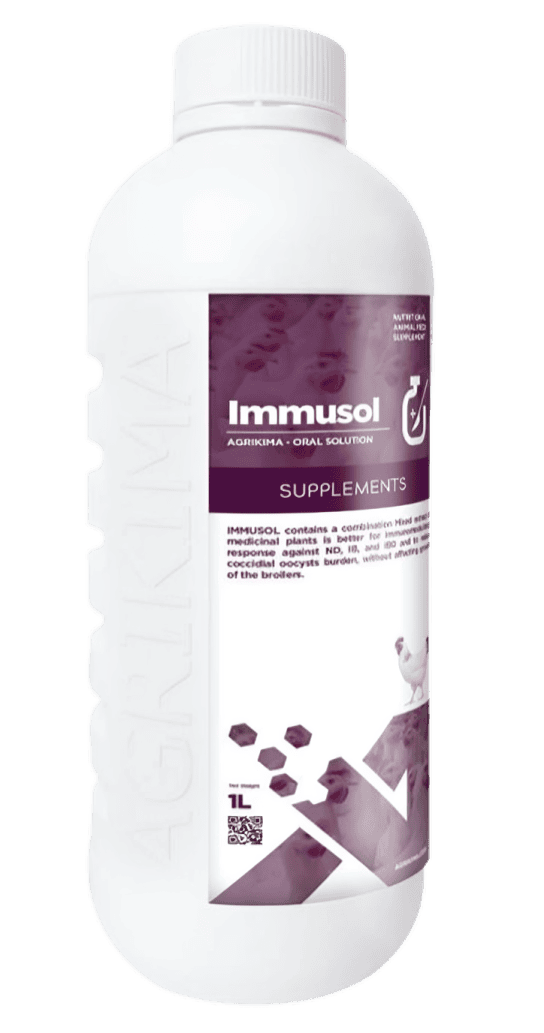
Implementing proper feed storage best practices is essential for preventing spoilage and mold. By focusing on moisture control, temperature regulation, and pest management, you can maintain the quality of your animal feed. Remember, quality veterinary products and supplements from Agrikima can further support your livestock's health and productivity, ensuring your farming operations remain successful.
Your message to the team
Sources: Read More
- 8. STORAGE AND HANDLING OF INGREDIENTS AND FINISHED GOODS — Food and Agriculture Organization (FAO)
- IG037: Feed Storage in Agricultural Facilities — Michigan State University
- Feed Storage Guidelines — University of Wisconsin-Madison
- Feed Molds and Mycotoxins — Montana State University
- Reducing Feed Shrink in Stored Forages — University of Wisconsin-Madison Extension
- What to Do About Mold in Feed — Ohio State University