Puppy Feed Preparation Guide: What to Feed at Each Stage
Puppy Feed Preparation Guide: What to Feed at Each Stage
Feeding your puppy the right diet is crucial for their growth, health, and overall well-being. Understanding the puppy feed preparation stages will help ensure that your furry friend gets the nutrients they need at each phase of development. This guide will break down what to feed your puppy from weaning to adulthood.
Understanding Dog Growth Stages
Puppies go through several growth stages, each requiring different nutritional needs:
- Neonatal Stage (0-2 weeks): During this period, puppies rely entirely on their mother’s milk.
- Transitional Stage (2-4 weeks): Puppies begin to open their eyes and ears and start exploring their environment.
- Socialization Stage (4-12 weeks): This is when puppies start eating solid food.
- Juvenile Stage (3-6 months): Rapid growth continues, and dietary needs change.
- Adolescent Stage (6 months to 1 year): Puppies reach maturity, and their diet can transition to adult dog food.
Weaning Puppy Food (4-8 Weeks)
Weaning is a critical stage where puppies transition from their mother’s milk to solid food. This usually occurs around 4 weeks of age. Begin with a high-quality puppy food that is specifically formulated for their needs. Here are some tips for this stage:
- Choose a high-quality puppy food that is rich in protein and fat.
- Consider using wet puppy food or soaking dry kibble in water or puppy milk replacer to create a gruel.
- Introduce food gradually to avoid digestive upset.
- Feed small, frequent meals (4-6 times a day) to maintain energy levels.
Socialization Stage (8-12 Weeks)
During this period, puppies should be fully weaned and ready to continue their journey into solid food. This is also a vital time for socialization and training. Here's what to focus on:
- Continue feeding high-quality puppy food, ideally a formula designed for their breed size.
- Maintain a feeding schedule, offering meals 3-4 times a day.
- Monitor their body condition; puppies should be plump but not overweight.
- Incorporate a variety of textures and flavors to keep their interest.
Juvenile Stage (3-6 Months)
As puppies grow, their nutritional needs change. At this stage, they require more calories to support their rapid growth. Consider the following tips:
- Switch to a growth formula if you haven’t already—this is richer in calcium and phosphorus, essential for strong bones.
- Continue feeding 3 times a day, gradually increasing the amount as they grow.
- Introduce healthy treats for training, but ensure they do not exceed 10% of their daily caloric intake.
- Consult with a veterinarian to assess their growth and make any necessary adjustments in their diet.
Adolescent Stage (6-12 Months)
At this stage, puppies are transitioning into adulthood. The focus should be on maintaining a balanced diet to support their ongoing development:
- Many puppies can start transitioning to adult dog food around 12 months, depending on their breed.
- Monitor their weight and adjust their food intake as needed to prevent obesity.
- Continue to provide high-quality, complete nutrition to support their overall health.
- Regular vet check-ups are crucial during this time to ensure proper growth and health.
Importance of Quality Supplements
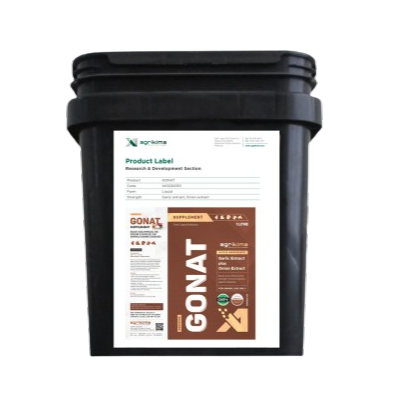
In addition to a balanced diet, consider incorporating quality veterinary products and supplements to support your puppy's health. Products that promote joint health, skin and coat condition, and immune support can be beneficial as your puppy grows.
Final Thoughts
Feeding your puppy appropriately during their growth stages is vital to ensure they develop into healthy adult dogs. By following this puppy nutrition guide, you can provide the best start for your furry friend. Always consult with a veterinarian for tailored advice based on your puppy's specific needs and lifestyle.