Essential Quarantine Routine for New Goats and Sheep
A Quarantine Routine for Newly Bought Goats and Sheep
When you bring home new goats and sheep, it's crucial to have a proper quarantine routine in place. This process helps prevent the introduction of diseases to your existing flock, ensuring their health and productivity. In this guide, we’ll cover the essential steps for isolating new livestock, maintaining biosecurity for small ruminants, and tips for buying healthy goats and sheep.
Understanding the Importance of Quarantine
Quarantine is a critical biosecurity measure that every livestock farmer should adopt. Introducing new animals without proper isolation can lead to significant health risks for your flock. Even seemingly healthy animals can carry pathogens that may not show symptoms immediately. Therefore, a thorough quarantine routine is necessary to monitor the health of new arrivals and protect your existing herd.
The Quarantine Process
1. Isolate New Animals
Upon arrival, the first step is to isolate your new goats and sheep in a designated quarantine area. This area should be at least 30 feet away from your existing flock to prevent direct or indirect contact. The quarantine pen needs to have separate feed and water sources to eliminate any risk of cross-contamination.
2. Duration of Quarantine
New goats and sheep should remain in quarantine for a minimum of three to four weeks. This period allows you to monitor them for any signs of illness and ensures that you are not introducing any diseases to your existing herd.
3. Health Monitoring
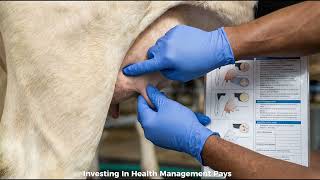
During the quarantine period, regularly monitor the new animals for clinical signs of disease. Look for symptoms such as coughing, nasal discharge, diarrhea, or unusual behavior. If any signs appear, consult a veterinarian for assessment and possibly testing.
4. Veterinary Care
Utilize quality veterinary products and supplements during the quarantine phase. This can include vaccinations, dewormers, or any necessary treatments recommended by your veterinarian. These products help boost the immune system of your new livestock and can be crucial in preventing the spread of disease.
Best Practices for Quarantine
1. Avoid Contact
Ensure that there is no contact between your existing animals and the newcomers. This includes avoiding nose-to-nose interactions and not sharing equipment, such as feeders and waterers. Maintain strict separation to enhance biosecurity.
2. Cleaning and Disinfection
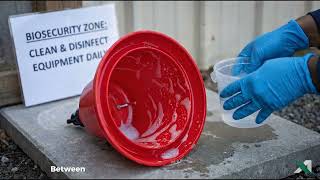
Before introducing new goats and sheep to your farm, ensure that the quarantine area is clean and disinfected. Use appropriate cleaning solutions to eliminate any potential pathogens that may linger in the environment. This practice should extend to all equipment and tools used during the quarantine period.
3. Source History
When buying healthy goats and sheep, always inquire about their health history from the previous owner. A reputable seller should provide information on vaccinations, diseases in the herd, and veterinary care received. This information can help you assess the risk of disease when introducing new livestock to your farm.
Post-Quarantine Transition
1. Gradual Introduction
After the quarantine period, if the new animals show no signs of illness, you can gradually introduce them to your existing flock. Start by allowing them to observe each other from a distance before mixing them together. This gradual introduction can help reduce stress and aggression among animals.
2. Continued Monitoring
Even after quarantine, maintain vigilance by observing the new goats and sheep closely after their introduction to the herd. Monitor for any signs of illness or behavioral changes, as stress and environmental changes can sometimes trigger health issues.
3. Ongoing Biosecurity Practices
Continue to implement strong biosecurity practices on your farm. This includes regular health checks for all animals, maintaining a clean environment, and ensuring that any new livestock undergoes quarantine before integrating into your existing herd. Education on biosecurity for small ruminants can enhance the overall health of your farm.
Conclusion
Establishing a quarantine routine for newly bought goats and sheep is essential for the health of your livestock. By isolating new animals, monitoring their health, and maintaining strict biosecurity measures, you can protect your existing flock from potential diseases. Remember, investing in quality veterinary products and supplements can further enhance the health and well-being of your new additions. Follow these best practices, and your farm will thrive with healthy and productive goats and sheep.
Your message to the team
Sources: Read More
- Biosecurity for Your Flock — University of Maine Cooperative Extension
- Developing a Biosecurity Plan for Your Livestock or Poultry Operation — UConn Extension, University of Connecticut
- Dairy Goat Biosecurity Priority — Iowa State University Extension and Outreach
- Basic Biosecurity Best Management Practices for Sheep & Goat Farms — Cornell University College of Veterinary Medicine
- Biosecurity for bringing home new sheep and goats — University of Wisconsin Extension / Wisconsin State Farmer
- Sheep and Goat Biosecurity Overview — Healthy Farms Healthy Agriculture (HealthyAg)