Successfully Raising Orphan Lambs and Kids on Bottle Milk
Introduction to Raising Orphan Lambs and Kids
Raising orphan lambs and kids is both rewarding and challenging. These young animals require special care to thrive, especially when they are not receiving maternal milk. With the right approach, you can ensure that they grow healthy and strong. This guide provides essential tips on bottle feeding newborn goats and lambs, using the right milk replacer, and vital survival tips for successful rearing.
The Importance of Colostrum
One of the first and most critical steps in raising orphan lambs and kids is ensuring they receive colostrum within the first 24 hours after birth. Colostrum is the first milk produced by the mother and is rich in antibodies that help boost the immune system of the young animal. Without it, orphan lambs and kids are at a higher risk of disease and mortality. Therefore, if you're bottle feeding a newborn, make sure to provide them with a suitable colostrum replacer if the mother's milk isn't available.
Choosing the Right Milk Replacer
When bottle feeding orphan lambs and kids, you should select a milk replacer that is specifically formulated for their species. Goat milk replacers are designed to meet the unique nutritional needs of kids, while lamb milk replacers cater to the dietary requirements of lambs. Using the appropriate replacer ensures that they receive the right balance of proteins, fats, and carbohydrates essential for their growth.
Feeding Schedule
Establishing a regular feeding schedule is crucial for the health of orphan lambs and kids. Newborns should be fed every 4 to 6 hours, ensuring they get enough energy to grow and stay active. As they grow, you can gradually decrease the frequency of feedings while increasing the amount per feeding.
Setting Up a Comfortable Environment
For orphan lambs and kids to thrive, they need a warm, dry, and draft-free environment. This helps prevent hypothermia, which can be life-threatening to young animals. Use bedding materials like straw to insulate their living area and keep it clean to prevent disease.
Temperature Control
Maintaining an appropriate temperature is critical, especially in colder months. If necessary, use heat lamps or warming boxes to help keep the young animals warm. Monitor the temperature regularly to ensure it stays within a comfortable range.
Gradual Weaning
As your orphan lambs and kids reach 4 to 6 weeks of age, it's time to start transitioning them off milk replacer. Gradually introduce solid feeds like high-quality hay and grains. This helps them adjust their digestive systems to solid food and ensures a smoother transition to a normal diet.
Signs of Readiness
Look for signs that they are ready to start weaning, such as increased interest in solid foods and the ability to consume hay or grain without difficulty. Ensure the transition is gradual to avoid digestive upset.
Monitoring Health and Growth
Regularly monitor the health and growth of your orphan lambs and kids. Check their weight weekly to ensure they are gaining adequately. Healthy lambs and kids should be active, alert, and have bright eyes. If you notice any signs of illness, such as lethargy, diarrhea, or refusal to eat, consult a veterinarian promptly.
Essential Veterinary Products
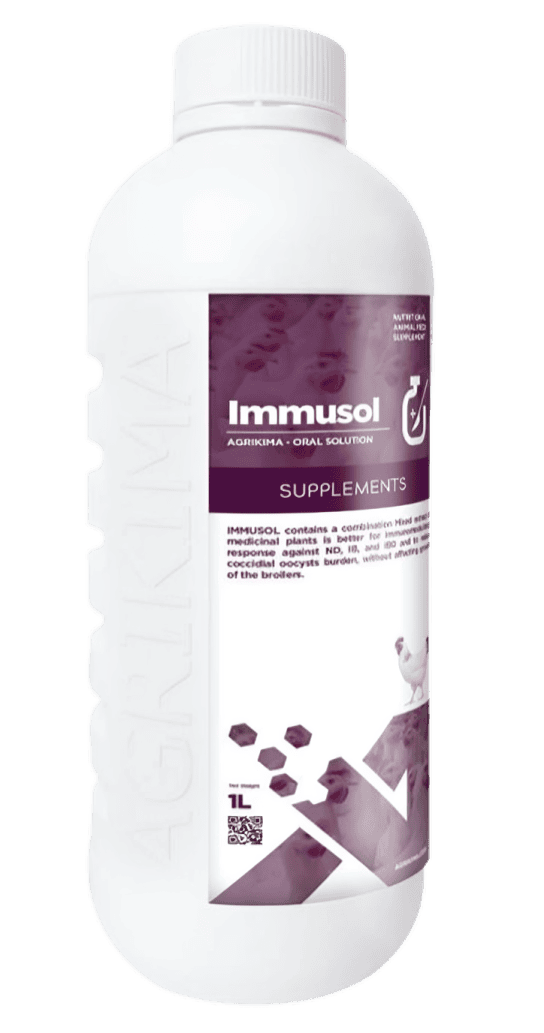
In addition to proper feeding and care, consider using quality veterinary products and supplements to support the health of your orphan lambs and kids. Probiotics can help with digestion, while vitamins and minerals can enhance their overall wellbeing. Agrikima offers a range of natural animal health solutions that can support your rearing efforts.
Survival Tips for Success
- Consistency is Key: Stick to your feeding schedule and maintain environmental conditions to help orphan lambs and kids adjust.
- Stay Observant: Watch for any changes in behavior or health, and be ready to seek help if necessary.
- Community Support: Connect with local farmers or agricultural extensions for advice and support when needed.
- Record Keeping: Keep track of their growth, feeding times, and health status to identify any patterns or concerns early.
Conclusion
Raising orphan lambs and kids on bottle milk requires dedication and knowledge but can be a fulfilling experience. By following the right feeding practices, ensuring a comfortable environment, and monitoring their health, you can raise healthy and robust animals. Don't forget to utilize quality veterinary products to support their growth and wellbeing on this journey.
Your message to the team
Sources: Read More
- Raising Orphan Lambs — Penn State Extension
- Bottle Feeding Kid Goats — University of Arkansas Division of Agriculture
- Artificial Rearing of Lambs — Food and Agriculture Organization of the United Nations
- Management of Orphan Lambs and Kids — Iowa State University Extension and Outreach
- Bottle Feeding Lambs and Kids — North Dakota State University Extension