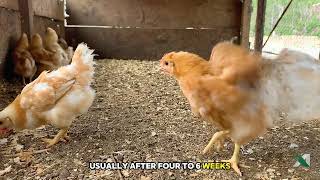
Recognising and Treating Fowl Typhoid in Chickens

Understanding Fowl Typhoid
Fowl typhoid is a severe bacterial disease affecting chickens, caused by Salmonella Gallinarum. This disease leads to significant mortality rates within affected flocks, making it crucial for poultry farmers to recognize and treat it promptly to maintain flock health and productivity.
Fowl Typhoid Symptoms
Identifying fowl typhoid early can help mitigate its impact on your flock. Common symptoms include:
- Weakness and lethargy
- Ruffled feathers
- Decreased appetite
- Diarrhea, often with a foul odor
- Reduced egg production in layers
If you observe these symptoms in your chickens, it’s essential to act quickly. The disease spreads rapidly, and early intervention can save lives.
Transmission and Risk Factors
Fowl typhoid is primarily transmitted through contaminated feed, water, or environments. Chickens can also spread the disease to one another through direct contact. Key factors that can increase the risk of outbreaks include:
- Poor biosecurity measures
- High-density housing
- Stressful conditions that weaken the immune system
To minimize these risks, implementing good management practices is vital for protecting your flock's health.
Diagnosing Fowl Typhoid
If you suspect your flock is infected with fowl typhoid, a veterinary diagnosis is essential. A veterinarian can perform blood tests or necropsies to confirm the presence of Salmonella Gallinarum. Prompt diagnosis allows for immediate action and treatment.
Fowl Typhoid Treatment Options
Treating fowl typhoid effectively requires a multi-faceted approach:
1. Quarantine Affected Birds
Immediately isolate any infected chickens from the rest of the flock to prevent the disease from spreading further. This step is crucial to controlling outbreaks.
2. Consult a Veterinarian
It's vital to involve a veterinarian who can prescribe appropriate antibiotics. While antibiotics can help manage symptoms and reduce mortality rates, they should be used judiciously to prevent antibiotic resistance.
3. Supportive Care
Providing supportive care can help affected chickens recover. Ensure they have access to clean water and nutritious food. Quality veterinary supplements may also support immune function and recovery.
4. Biosecurity Measures
Enhancing biosecurity is critical in preventing future outbreaks. Implement strict sanitation protocols, such as:
- Regular cleaning and disinfection of housing and equipment
- Controlling access to the farm to limit exposure
- Regular health checks to identify sick birds early
These measures can significantly reduce the risk of fowl typhoid and other diseases.
Preventive Strategies
Preventing fowl typhoid is more effective than treating it. Here are essential preventive strategies:
1. Vaccination
While there is no specific vaccine for fowl typhoid, vaccination against other Salmonella infections can help reduce the overall risk of salmonella in poultry. Consult your veterinarian for a vaccination schedule tailored to your flock's needs.
2. Regular Health Monitoring
Conducting regular health checks can help you catch potential outbreaks early. Look for any signs of illness or changes in behavior among your birds.
3. Maintain Cleanliness
Keep the living environment clean and dry. Regularly remove droppings and change bedding to minimize the risk of disease transmission.
4. Nutritional Support
Providing a balanced diet is essential for maintaining the overall health of your chickens. High-quality feeds and supplements can support their immune systems, making them less susceptible to infections.
Conclusion
Fowl typhoid is a serious threat to poultry health, but with the right knowledge and practices, it can be effectively managed and prevented. Recognizing the symptoms early, seeking veterinary care, and implementing strong biosecurity measures are key steps in safeguarding your flock against this deadly disease. Remember, Agrikima offers a range of quality veterinary products and supplements to support your poultry farming needs. Protect your chickens and ensure their health with the right tools and knowledge.
Your message to the team
Sources: Read More
- Fowl Typhoid in Poultry — Merck Veterinary Manual
- Salmonella Infections in Poultry — Center for Food Security and Public Health, Iowa State University
- Fowl Typhoid and Pullorum Disease — USDA Animal and Plant Health Inspection Service
- Fowl Typhoid in Chickens — Food and Agriculture Organization of the United Nations
- Salmonella Infections in Poultry — National Center for Biotechnology Information