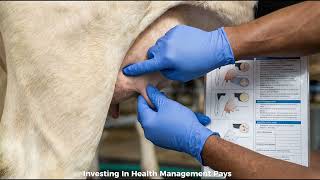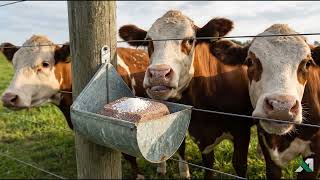
Recognising and Managing Lumpy Skin Disease in Cattle
What is Lumpy Skin Disease?
Lumpy Skin Disease (LSD) is a viral infection that primarily affects cattle, causing a range of symptoms including skin nodules and fever. This disease can lead to significant economic losses for farmers due to decreased milk production, weight loss, and hide damage. Understanding how to recognize and manage this disease is crucial for the health of your herd.
Recognising the Symptoms of Lumpy Skin Disease
Early recognition of LSD is vital for effective management. Here are the key symptoms to look for:
- Skin Nodules: The most characteristic sign of LSD is the appearance of nodules on the skin of affected cattle. These can vary in size and may be found on various parts of the body, including the head, neck, and limbs.
- Fever: Infected cattle may develop a high fever, which can lead to lethargy and reduced feed intake.
- Swelling: Alongside nodules, there may be swelling in the legs and other body parts.
- Respiratory Issues: Some cattle may experience difficulty breathing, especially if nodules develop in the respiratory tract.
- Decreased Milk Production: Lactating cows may show a drop in milk yield, impacting farm profitability.
Diagnosis of Lumpy Skin Disease
Diagnosing LSD involves observing clinical signs, and may be confirmed through laboratory tests such as PCR testing and virus isolation. If you suspect that your cattle are affected, it is advisable to contact a veterinarian promptly for diagnosis and further guidance.
Treatment Options for Lumpy Skin Disease
Currently, there is no specific antiviral treatment for LSD. Management primarily focuses on supportive care:
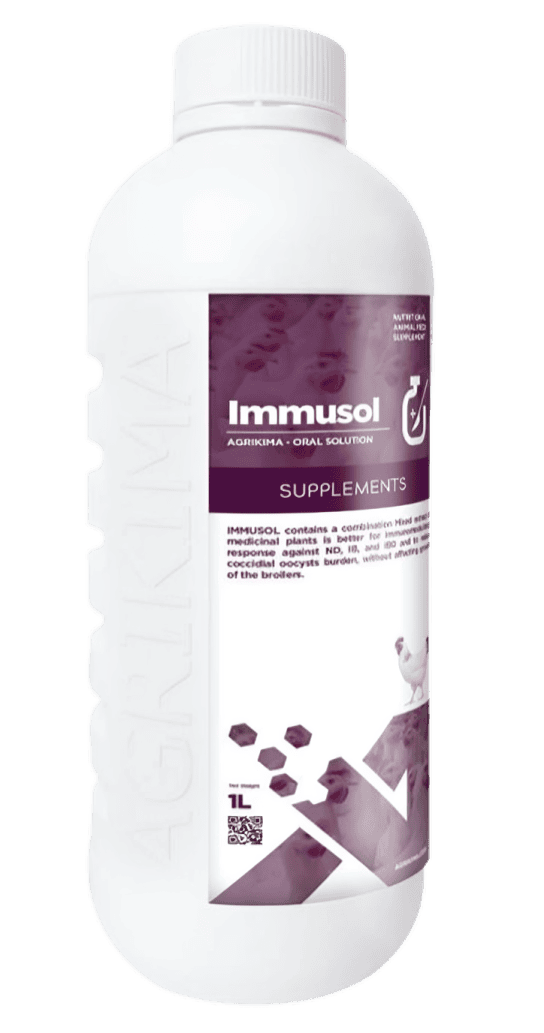
- Provide Adequate Nutrition: Ensure your cattle have access to high-quality feed and supplements to support their immune systems during recovery.
- Isolate Affected Animals: Quarantine infected cattle to prevent the spread of the disease within your herd.
- Hydration: Maintain proper hydration, especially for those showing symptoms of fever or lethargy.
Preventing Lumpy Skin Disease
Preventive measures are essential to control the spread of LSD. Here are some effective strategies:
- Vaccination: The most effective way to prevent LSD is through vaccination. A lumpy skin vaccine is available and should be administered to cattle, especially in endemic areas.
- Vector Control: Since LSD is transmitted by biting insects, controlling fly populations can reduce the risk of infection. Use insecticides and consider strategic pasture management.
- Biosecurity Measures: Implement strict biosecurity protocols on your farm, including limiting access to outsiders and maintaining cleanliness in cattle housing.
Monitoring Your Herd
Regularly monitor your herd for any signs of LSD or other health issues. Early detection can make a significant difference in managing the disease effectively. Keep a record of any cattle that exhibit symptoms and report these to your veterinarian.
Conclusion
Lumpy Skin Disease can have devastating effects on cattle health and farm profitability. By recognising the symptoms early, implementing effective treatment and preventive measures, and utilizing quality veterinary products and supplements, farmers can protect their herds from this viral disease. Always consult with a veterinarian for tailored advice and management strategies specific to your farm's needs.
Your message to the team
Sources: Read More
- Lumpy Skin Disease: A Field Manual for Veterinarians — Food and Agriculture Organization of the United Nations (FAO)
- Lumpy Skin Disease in Cattle — United States Department of Agriculture (USDA) Animal and Plant Health Inspection Service (APHIS)
- Lumpy Skin Disease: An Emerging Threat to Cattle — National Center for Biotechnology Information (NCBI)
- Lumpy Skin Disease: Prevention and Control Strategies — World Organisation for Animal Health (OIE)
- Lumpy Skin Disease in Cattle: Diagnosis and Treatment — Cornell University College of Veterinary Medicine
- Lumpy Skin Disease: A Review — Vaccine Journal