Rectal Prolapse in Growing Pigs: Causes and Solutions
Understanding Rectal Prolapse in Pigs
Rectal prolapse is a serious condition that can affect growing pigs, leading to distress and potential loss of the animal if not managed properly. This condition occurs when a portion of the rectum protrudes from the anus, often due to various underlying issues that can exacerbate straining in pigs.
Causes of Rectal Prolapse in Pigs
Several factors contribute to rectal prolapse in pigs, particularly in growing populations. Understanding these causes can help in prevention and management:
- Straining: Excessive straining during defecation is a primary cause. This may occur due to constipation, diarrhea, or other digestive issues.
- Dietary Problems: Sudden changes in diet or low-quality feed can lead to gastrointestinal upset, increasing the risk of straining.
- Overcrowding and Stress: High stocking densities can lead to increased stress and competitive behaviors, resulting in injury or straining.
- Cold-Weather Conditions: In colder environments, pigs may pile up, leading to physical trauma that can trigger prolapse.
- Infections: Certain infections, such as those causing gastrointestinal disturbances, can promote straining and subsequent prolapse.
First Aid for Rectal Prolapse
When you notice a rectal prolapse in a pig, prompt action is essential. Here are the steps to follow for effective first aid:
1. Isolate the Affected Pig
Immediately isolate the pig to prevent further stress and potential injury from other pigs. Keeping the animal calm is crucial.
2. Assess the Severity
Examine the prolapse carefully. A small or uncomplicated prolapse may be treatable, while a large or severely damaged prolapse may require more drastic measures, including euthanasia.
3. Clean the Area
Use a gentle saline solution to clean the exposed rectal tissue. This step helps prevent infection and prepares the area for treatment.
4. Reduction of the Prolapse
Gently push the rectal tissue back into place. This should be done with care to avoid causing further damage. It may be beneficial to use a local anesthetic to minimize discomfort during this process.
5. Apply a Purse-string Suture
After reduction, place a temporary purse-string suture around the anus to help keep the rectum in position. This should be done by a qualified veterinarian to ensure proper technique and minimize risk.
6. Monitor and Manage
Once treated, monitor the pig closely for signs of distress or complications. Provide supportive care, including proper nutrition and hydration, to promote recovery.
When to Cull Affected Pigs
Deciding when to cull pigs with rectal prolapse is a critical aspect of herd management. Here are guidelines to consider:
- Severity of Prolapse: If the prolapse is large or has become necrotic (dead tissue), it is often humane to choose euthanasia instead of treatment.
- Recurrence: Pigs that experience multiple instances of prolapse should be culled from the herd, as this indicates a more significant underlying issue that is likely to affect productivity.
- Infection Risks: If there are signs of infection or severe damage, the health risk to the pig and the herd may warrant culling.
- Weight and Growth Impacts: Consider whether the pig is growing adequately; if the prolapse has significantly impacted its health and growth, culling may be necessary.
Preventive Measures
To prevent rectal prolapse, implement the following strategies in your farm management:
- Ensure a balanced diet that mitigates constipation and supports digestive health.
- Maintain appropriate stocking densities to reduce stress and competition.
- Provide adequate shelter and bedding, especially during cold weather, to minimize piling and injury risks.
- Regularly monitor the health of your pigs and address any signs of illness promptly.
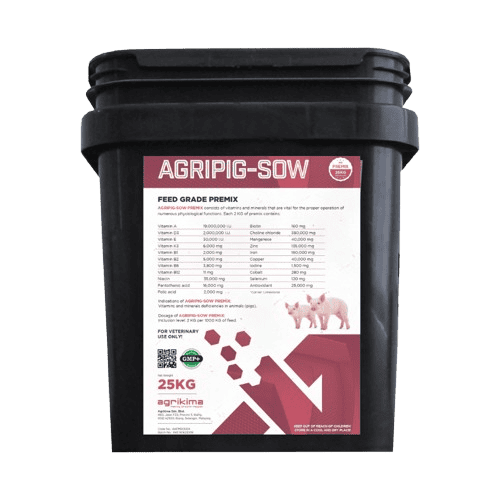
Quality veterinary products and supplements can support overall pig health and help prevent conditions that lead to rectal prolapse. Regular consultations with a veterinarian can also help you stay ahead of potential issues.
Conclusion
Rectal prolapse in growing pigs is a significant concern that can have severe implications for animal welfare and farm productivity. By understanding the causes, applying first aid correctly, and knowing when to cull, farmers can effectively manage this condition. Preventive strategies are equally important to ensure the health of your herd and avoid future occurrences.
Your message to the team
Sources: Read More
- Rectal Prolapse in Animals – Merck Veterinary Manual — Merck Veterinary Manual
- Rectal Strictures in Pigs – Merck Veterinary Manual — Merck Veterinary Manual
- Patterns and determinants of rectal prolapse in a herd of pigs — University of California, Davis (Vet Rec via PubMed)
- Care of the compromised pig (Prolapses) – Australian Pork (extension) — Australian Pork (extension)
- Prolapsed Rectum (Food & Agribusiness World) — Food & Agribusiness World