Naturally Reduce Ammonia Smell in Poultry Houses
Understanding Ammonia in Poultry Houses
Ammonia is a common byproduct of poultry waste and can lead to significant health issues for both birds and farmers. Reducing ammonia levels is crucial not only for the comfort of your flock but also for enhancing their overall productivity. This guide will explore natural methods to reduce ammonia in poultry houses.
The Impact of Ammonia on Poultry
High ammonia levels can cause respiratory problems in chickens, affecting their growth and egg production. Additionally, ammonia can lead to stress, making birds more susceptible to diseases. Regular monitoring and management of poultry litter ammonia levels are essential for maintaining a healthy environment.
Natural Methods to Reduce Ammonia Smell
1. Improve Poultry House Ventilation
Proper poultry house ventilation is one of the most effective ways to manage ammonia levels. Good airflow helps to disperse ammonia and reduce its concentration in the air. Here are some ventilation tips:
- Install exhaust fans to improve air circulation.
- Regularly check and maintain ventilation systems to ensure they are functioning properly.
- Use natural air inlets to promote fresh air exchange.
2. Manage Poultry Litter Effectively
Proper management of poultry litter is key to reducing ammonia production. Here are some strategies:
- Use dry litter materials such as straw, wood shavings, or sawdust to absorb moisture and reduce ammonia release.
- Regularly clean and replace litter to prevent ammonia buildup.
- Consider using litter treatments that contain beneficial microorganisms to break down waste more effectively.
3. Incorporate Natural Absorbents
Natural absorbents can help mitigate ammonia smells effectively. Some options include:
- Zeolite: A natural mineral that helps absorb ammonia and other harmful gases.
- Activated charcoal: Known for its ability to trap odors and toxins.
- Baking soda: An effective household item that can neutralize odors when sprinkled on litter.
4. Utilize Plant-Based Solutions
Certain plants can help reduce ammonia levels naturally. Consider integrating the following into your poultry management:
- Aloe Vera: Known for its air-purifying properties, it can help reduce ammonia in enclosed spaces.
- Mint: Acts as a natural deodorizer and can enhance the overall air quality in poultry houses.
- Lavender: Apart from its pleasant smell, it also has antimicrobial properties.
5. Monitor and Adjust Feed
Your feeding practices can significantly influence ammonia production. Here are some tips:
- Choose high-quality feed that minimizes nitrogen excretion.
- Avoid overfeeding, which can lead to excess waste and increased ammonia levels.
- Incorporate natural feed additives that help improve digestion and reduce nitrogen output.
6. Use Quality Veterinary Products
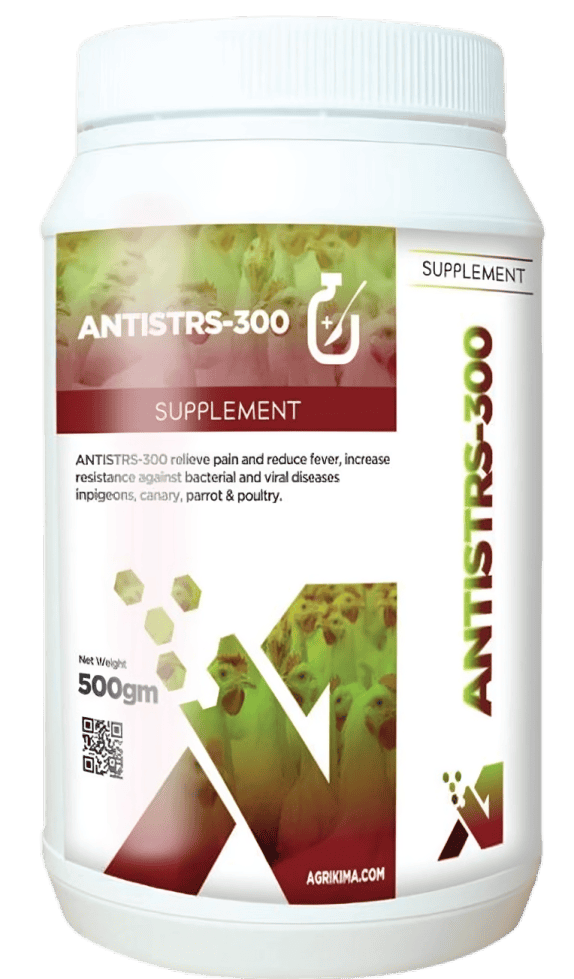
Consider integrating quality veterinary products and supplements designed to support poultry health and reduce ammonia-related issues. These products can include:
- Probiotics that enhance gut health and reduce ammonia production.
- Natural enzymes that aid in digestion and waste breakdown.
Conclusion
Reducing ammonia smell in poultry houses can be achieved through various natural methods. By improving ventilation, managing litter effectively, incorporating natural absorbents, utilizing plant-based solutions, and monitoring feed, you can create a healthier environment for your flock. Remember that integrating quality veterinary products can further enhance your efforts in maintaining optimal conditions in your poultry house.