Reduce Somatic Cell Count for Better Milk Prices
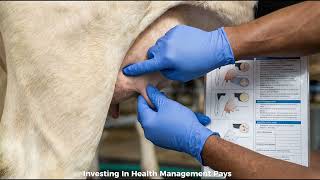
Understanding Somatic Cell Count (SCC)
Somatic Cell Count (SCC) is a critical indicator of milk quality, reflecting the health of the dairy herd. A high SCC often points to the presence of subclinical mastitis, which can reduce milk production and quality. Farmers need to actively manage SCC levels to maintain high milk grading and secure better prices in the market.
Why Reducing SCC is Important
High SCC levels can lead to:
- Poor Milk Quality: Milk with elevated SCC is often classified as inferior, affecting pricing.
- Increased Risk of Mastitis: Higher cell counts often indicate underlying infections, particularly subclinical mastitis.
- Lower Profit Margins: Poor milk quality can lead to discounts or penalties from milk processors.
Strategies to Reduce Somatic Cell Count in Milk
1. Implement Effective Milking Practices
Proper milking techniques can significantly influence SCC levels. Here are some practices to consider:
- Ensure clean and sanitized equipment to prevent contamination.
- Train staff on gentle and efficient milking techniques to minimize stress on cows.
- Regularly monitor milking machine settings to ensure they are optimal for cow comfort.
2. Nutrition and Feeding Management
A well-balanced diet plays a crucial role in maintaining cow health and reducing SCC. Consider the following:
- Provide high-quality feed that meets the nutritional needs of lactating cows.
- Incorporate natural supplements that promote udder health.
- Ensure adequate water availability as hydration is vital for overall health.
3. Regular Health Monitoring
Keeping a close eye on the herd's health can help identify potential issues before they escalate. Implement:
- Routine health checks focusing on udder health and signs of infection.
- Regular SCC tests to monitor trends and respond proactively.
- Vaccination programs against common pathogens responsible for mastitis.
4. Effective Mastitis Management
Minimizing cases of mastitis is key to reducing SCC. Here are strategies for effective management:
- Identify and treat affected cows immediately to prevent the spread of infection.
- Use veterinary products designed to enhance udder health and prevent mastitis.
- Implement a dry cow therapy program to reduce the risk of infections during the dry period.
5. Maintain a Clean and Comfortable Environment
The living conditions of dairy cows significantly impact their health. Ensure:
- Regular cleaning of barns and milking areas to minimize bacteria.
- Provide comfortable bedding to reduce stress and promote relaxation.
- Ventilation systems that maintain a healthy environment, reducing heat stress.
Utilizing Veterinary Products and Supplements
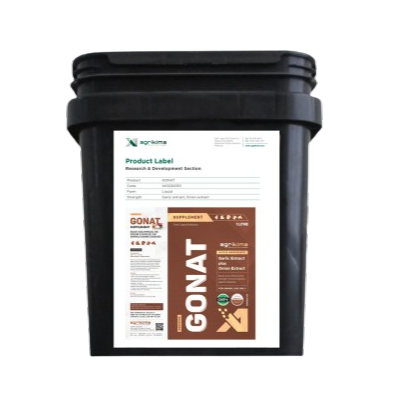
Investing in high-quality veterinary products and supplements is essential for maintaining herd health and reducing SCC. Products designed to enhance immune function, improve udder health, and support overall dairy management can lead to significant improvements in milk quality and lower SCC levels.
Conclusion
Reducing somatic cell count in milk is vital for dairy farmers looking to improve milk quality and secure better prices. By implementing effective milking practices, managing nutrition, regularly monitoring herd health, and maintaining a clean environment, farmers can significantly lower SCC levels. Additionally, utilizing quality veterinary products and supplements can provide the necessary support for udder health and overall dairy farm profitability.