Reducing Aflatoxin Contamination During Feed Storage
Understanding Aflatoxins and Their Impact
Aflatoxins are toxic compounds produced by certain molds found on agricultural products, particularly maize. They can cause severe health issues in livestock, including liver damage and reduced productivity. Therefore, aflatoxin prevention during feed storage is crucial for any farmer aiming to maintain the health of their animals.
Why Aflatoxin Control is Essential
Contamination with aflatoxins can lead to significant economic losses for farmers. Animals consuming contaminated feed can suffer from poor growth rates, reduced milk production, and even increased mortality. Implementing effective mycotoxin control measures is essential to protect both animal health and farm profitability.
Key Strategies for Safe Feed Storage
To minimize aflatoxin contamination during feed storage, farmers can adopt various practices aimed at maintaining feed quality and safety. Here are some practical tips:
1. Monitor Maize Moisture Levels
- Ensure that maize is dried to an appropriate moisture content of 13% or lower before storage. High moisture levels promote mold growth, leading to increased aflatoxin risk.
- Use a moisture meter to regularly check the moisture content of your stored maize.
2. Store Feed in Proper Conditions
- Choose a clean, dry, and well-ventilated storage space. Ensure that the area is free from pests and rodents, which can introduce contaminants.
- Use airtight containers or bins to limit exposure to moisture and air, which can encourage mold growth.
3. Implement Rotation Practices
- Practice first-in, first-out (FIFO) storage methods. This ensures that older feed is used before it can degrade or become contaminated.
- Regularly inspect feed for any signs of spoilage or contamination, and remove any affected products immediately.
4. Use Quality Additives and Supplements
Incorporating quality veterinary products and supplements can enhance feed safety:
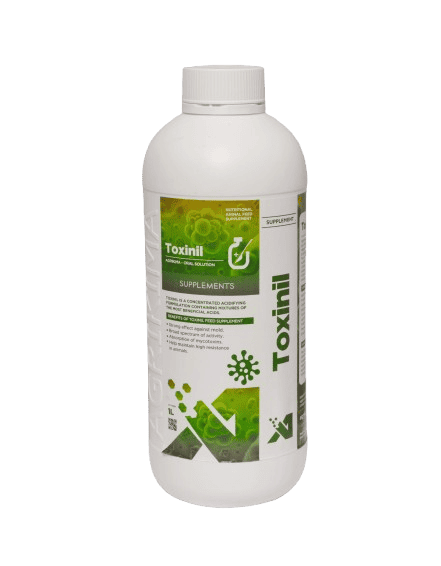
- Consider using mycotoxin binders or additives designed to reduce aflatoxin absorption in the animal’s gut. These can help mitigate the effects of any potential contamination.
- Regularly supplement your feed with probiotics and other natural health solutions to improve gut health and overall animal resilience.
5. Conduct Regular Testing
- Engage in routine testing for aflatoxins in your stored feed. This can help identify potential issues before they affect your livestock.
- Partner with local agricultural extension services or laboratories to conduct these tests effectively.
Educating Your Team
Ensure that everyone involved in feed management on your farm is educated about the risks of aflatoxins and the importance of proper storage techniques. Training sessions can significantly improve adherence to best practices and reduce contamination risks.
Conclusion
Reducing aflatoxin contamination during feed storage is vital for maintaining livestock health and ensuring farm profitability. By monitoring maize moisture, storing feed safely, implementing rotation practices, using quality supplements, and conducting regular testing, farmers can effectively mitigate the risks associated with aflatoxins. These proactive measures not only safeguard animal health but also contribute to a more sustainable farming operation.