Reducing Feather Pecking and Cannibalism in Layer Flocks

Understanding Feather Pecking in Layers
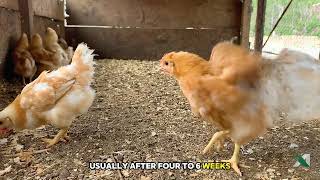
Feather pecking is a significant behavioral issue in layer flocks that can lead to severe consequences, including cannibalism in chickens if not managed properly. This behavior often stems from various factors such as overcrowding, nutritional deficiencies, and insufficient environmental enrichment.
Why Feather Pecking Occurs
Feather pecking typically arises from stress, boredom, or a lack of appropriate stimuli in the hens' environment. It can escalate to cannibalism if pecking becomes aggressive. Understanding layer behaviour management is crucial for preventing these issues.
Key Factors Contributing to Feather Pecking
- Stocking Density: High stocking densities can increase competition for resources, leading to stress and aggression among birds.
- Nutritional Deficiencies: Inadequate nutrition can lead to deficiencies that increase the likelihood of feather pecking. Ensuring a balanced diet is essential.
- Environment: A lack of environmental enrichment can lead to boredom and frustration, prompting hens to engage in feather pecking.
Strategies to Reduce Feather Pecking
Implementing effective management strategies can significantly mitigate feather pecking and prevent cannibalism in layers. Here are some recommended practices:
1. Provide Adequate Space
Ensuring that layers have enough space to move around freely is crucial. Overcrowded conditions can lead to increased stress and competitive behaviors. Aim for a stocking density that allows each bird ample room to engage in natural behaviors.
2. Enhance Environmental Enrichment
Environmental enrichment is vital for keeping hens mentally stimulated. Incorporate elements such as:
- Perches of varying heights to encourage climbing and exploration.
- Foraging materials like straw or shredded paper to promote natural foraging behaviors.
- Interactive toys or objects that hens can peck at or manipulate to keep them engaged.
These enrichments can help reduce the incidence of feather pecking by providing alternative activities for the hens.
3. Ensure Proper Nutrition
A balanced diet is essential for the overall health of the flock. Deficiencies in essential nutrients can lead to feather pecking behaviors. Ensure that your layers receive:
- A complete feed containing adequate levels of protein, vitamins, and minerals.
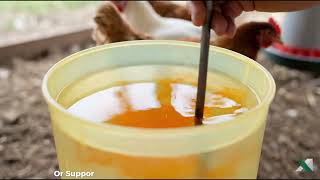
- Access to fresh water at all times, as hydration is crucial for overall health.
Consider incorporating quality supplements to address any specific nutritional gaps in your feed formulation.
4. Manage Lighting Conditions
Lighting plays a significant role in layer behavior. Maintaining appropriate light intensity and duration can help reduce stress and aggression. Use soft, diffused lighting and ensure that the light cycle mimics natural daylight patterns. This can help keep hens calm and reduce the urge to peck at each other.
5. Monitor and Control Social Dynamics
Pecking order and social structure can influence feather pecking behaviors. Monitor interactions within your flock and be prepared to intervene if you notice aggressive behaviors. Consider separating overly aggressive birds to prevent escalation into cannibalism.
Using Quality Products to Support Layer Health
In addition to management strategies, quality veterinary products and supplements can play a significant role in promoting overall flock health and reducing behavioral issues. For instance, probiotics can help improve gut health, leading to better nutrient absorption and overall well-being.
Conclusion
Addressing feather pecking in layers requires a multifaceted approach that includes proper management practices, environmental enrichment, and nutritional support. By implementing these strategies, farmers can reduce the risk of feather pecking and cannibalism in their flocks, leading to healthier, more productive layers.
Your message to the team
Sources: Read More
- Feather Pecking in Laying Hens: Management Strategies — Purdue University Extension
- Preventing Feather Pecking and Cannibalism in Poultry — Food and Agriculture Organization (FAO)
- Feather Pecking and Cannibalism in Layers — Poultry Hub Australia
- Managing Feather Pecking in Laying Hens — The Poultry Site
- Feather Pecking in Laying Hens: A Review — Poultry Science Journal