Reducing Feed Costs with Local Pig Feed Ingredients
Understanding the Importance of Local Pig Feed Ingredients
In the world of pig farming, feed costs can significantly impact overall profitability. By utilizing local pig feed ingredients, farmers can not only reduce these costs but also ensure that their pigs receive high-quality nutrition. This article explores various cheap pig feed ingredients and practical strategies for pig feed formulation.
Why Use Local Pig Feed Ingredients?
Local pig feed ingredients can be more affordable compared to commercial feeds. They often come from nearby agricultural practices, reducing transportation costs and ensuring freshness. Additionally, local ingredients can promote sustainable farming practices and contribute to improved animal health.
Benefits of Local Pig Feed
- Lower transportation costs
- Support for local farmers and economies
- Fresh and nutrient-rich feed
- Reduced environmental impact
Identifying Cheap Pig Feed Ingredients
Farmers can source various local ingredients that serve as nutritious and cost-effective alternatives to commercial pig feed. Here are some examples:
1. Agricultural Wastes
Utilizing agricultural and food industry wastes can be a game-changer for pig feed. Ingredients like leftover fruits, vegetable scraps, and grains can be processed and fed to pigs without compromising their performance. Research shows that using such wastes can effectively substitute commercial feed while maintaining pig growth and health.
2. Cover Crops
Grains harvested from cover crops, such as hybrid rye and camelina, are excellent local ingredients that can reduce feed costs. These crops can be grown specifically for pig feed, ensuring a sustainable and cost-effective source of nutrition.
3. Forage and Pasture
Pasture and forage are underutilized resources in pig farming. Pigs can graze on various types of vegetation, which can significantly reduce the need for commercial grains. Incorporating forage into pig diets can enhance their overall health and reduce the dependency on expensive feeds. Additionally, pigs thrive on an all-plant-based diet if fortified properly with vitamins and minerals.
4. Byproducts from Food Processing
Food processing byproducts, such as distiller's dried grains with solubles (DDGS), can also be included in pig feed formulation. While there may be some initial cost associated with these byproducts, they often lead to improved feed efficiency and economic returns in the nursery phase.
Practical Tips for Reducing Pig Feed Costs
To effectively reduce pig feed costs through local ingredients, consider the following strategies:
1. Conduct a Feed Cost Analysis
Understanding the current costs associated with your pig feed will help you identify areas to cut back. Evaluate your feed formulation and compare the costs of commercial feeds against local ingredients.
2. Experiment with Feed Formulation
Adjust your pig feed formulation to include more local and cheap pig feed ingredients. Work with a nutritionist to ensure that the feed meets the pigs' nutritional requirements while being cost-effective. Use local ingredients like grains, legumes, and byproducts to enhance feed quality.
3. Educate Yourself on Ingredient Ratios
Understanding the right ratios of local ingredients is key to formulating effective pig feed. Properly balanced diets lead to better growth rates and feed efficiency, ultimately reducing costs. Utilize resources like extension services and agricultural workshops to learn about optimal ingredient mixes.
4. Monitor Pig Health and Performance
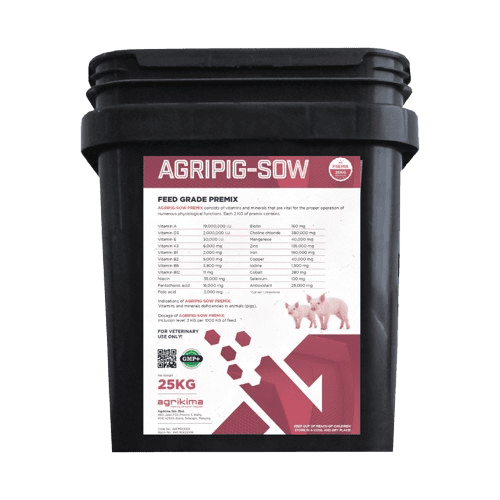
Regularly assess the health and growth of your pigs. If you notice performance issues, it may be necessary to adjust your feed formulation. Quality veterinary products and supplements may also help support pig health, particularly when using alternative feed sources.
Conclusion
Reducing feed costs through the use of local pig feed ingredients is an effective strategy for pig farmers looking to enhance profitability. By incorporating agricultural wastes, cover crops, forage, and food processing byproducts, farmers can create a balanced diet that meets their pigs' nutritional needs while keeping expenses low. Remember to continuously evaluate and adjust your feed formulations to achieve the best results.
Your message to the team
Sources: Read More
- Reducing Feed Costs in Organic Pig Production — eXtension
- Nutritional value of feed ingredients of plant origin fed to pigs — ScienceDirect
- The Utilization of Agricultural and Food Industry Wastes as Feed of Grower Pigs in Manokwari Regency West Papua — FAO AGRIS
- Feed resources, feeding principles, and nutrient requirements of pigs — ScienceDirect
- A case study on the cost-benefit perspective on the influence of high-protein Distiller's Dried Grains with Solubles (HP-DDGS) pricing and inclusion levels on economic sustainability in pig production — ScienceDirect