Retained Placenta and Metritis: First 48 Hours After Calving
Understanding Retained Placenta and Metritis
Retained placenta in cows is defined as the failure to expel fetal membranes within 24 hours after calving, which can lead to serious complications like metritis, a uterine infection that typically occurs within 10 days postpartum. Managing these conditions promptly is crucial for the health of the cow and the productivity of your dairy operation.
Signs of Retained Placenta and Metritis
In the first 48 hours after calving, watch for the following signs that indicate retained placenta or the onset of metritis:
- Failure to pass the placenta within 24 hours
- Foul-smelling vaginal discharge
- Fever or elevated body temperature
- Lethargy and reduced appetite
- Decreased milk production
Recognizing these symptoms early can help in taking the necessary steps for treatment and recovery.
Immediate Actions to Take
During the first 48 hours after calving, follow these steps to manage retained placenta and prevent metritis:
1. Assess the Calving Environment
Ensure that the calving area is clean and dry. A dirty environment can increase the risk of infections. Regularly clean and disinfect the area to minimize the chances of post calving infection.
2. Monitor the Cow Closely
Keep a close eye on the cow for any signs of distress or infection. If the placenta has not been expelled within 24 hours, it's essential to consult a veterinarian for further evaluation.
3. Administer Antibiotics and Anti-inflammatory Medications
Early intervention is key. If retained placenta is suspected, your veterinarian may recommend systemic antibiotics and anti-inflammatory drugs to reduce the risk of metritis and other complications.
4. Provide Adequate Nutrition
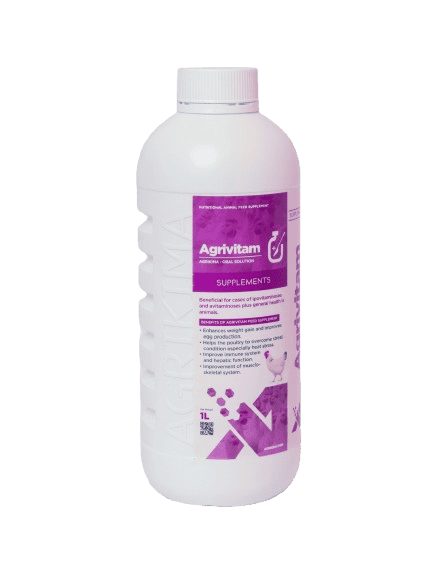
Ensure the cow receives proper nutrition during this recovery period. Quality feed that supports her immune function is vital. Consider using supplements that are rich in vitamins and minerals to boost her health.
5. Hydration is Key
Ensure the cow has access to clean, fresh water. Dehydration can exacerbate health issues and hinder recovery.
6. Consider Uterine Flushes
In some cases, your veterinarian may recommend uterine flushes to help clear out any remaining retained membranes and reduce the risk of infection.
Long-term Management Strategies
Preventing retained placenta and metritis is not just about immediate action but also involves long-term strategies:
1. Implement a Proper Calving Management Protocol
Develop and follow a detailed calving management plan that includes monitoring for signs of retained placenta and infection, as well as ensuring a clean environment.
2. Vaccination and Health Programs
Regular vaccinations and health checks for your herd can reduce the incidence of diseases that may contribute to retained placenta and metritis. Consult with your veterinarian to design a tailored vaccination schedule.
3. Nutritional Programs
Establish a nutritional program that supports cow health throughout the pregnancy and lactation phases. A balanced diet with high-quality feed and supplements can enhance overall immune function and reduce the likelihood of complications during calving.
Conclusion
Managing retained placenta and metritis effectively in the first 48 hours after calving is essential for the health of your dairy cows and the success of your farm. Early intervention, proper nutrition, and a clean environment can mitigate risks and enhance recovery.
For further support, consider quality veterinary products and supplements to aid in your herd's health and recovery during this critical period.
Your message to the team
Sources: Read More
- Retained Placenta in Cattle — Purdue University Extension
- Metritis in Dairy Cows: Causes, Symptoms, and Treatment — Food and Agriculture Organization (FAO)
- Managing Retained Placenta and Metritis in Dairy Cows — Michigan State University Extension
- Postpartum Uterine Infections in Dairy Cows — Cornell University College of Veterinary Medicine
- Retained Placenta and Metritis in Dairy Cattle — Dairy Herd Management