Safe Disposal of Dead Birds: Best Practices
Understanding Dead Bird Disposal in Poultry
Managing poultry mortality is a critical aspect of livestock farming. Safe disposal of dead birds not only protects the environment but also ensures farm biosecurity. Here, we explore three primary methods: composting, burial, and incineration.
Composting: An Eco-Friendly Solution
Composting is an effective and environmentally friendly method for disposing of dead birds. It involves breaking down organic matter through a controlled process, resulting in nutrient-rich compost.
How Composting Works
For successful carcass composting, follow these steps:
- Site Selection: Choose a well-drained area away from water sources to prevent leachate contamination. Proper site selection is crucial to avoid negative impacts on surface and groundwater quality.
- Layering Materials: Alternate layers of dead birds with carbon-rich materials like straw, sawdust, or wood chips. This mixture aids in aeration and microbial activity, which is vital for effective decomposition.
- Temperature Control: Maintain a temperature of 130°F to 150°F (54°C to 65°C) for at least 15 days to kill pathogens effectively. This is essential for ensuring that the composting process is safe and efficient.
- Monitoring: Regularly turn the pile to ensure aeration and uniform decomposition. Monitor moisture levels; the pile should be damp but not soggy.
Composting not only helps in dead bird disposal but also provides valuable organic fertilizer for crops, enhancing soil health.
Burial: A Traditional Method
Burial is another common method for disposing of dead birds, especially in areas where composting is not feasible. It is essential to follow local regulations regarding burial practices to ensure compliance and prevent environmental contamination.
Steps for Safe Burial
- Depth Requirements: Dig a pit at least 3 to 4 feet deep to ensure that the carcasses are adequately covered. This depth helps prevent scavengers from accessing the remains and reduces odors.
- Distance from Water Sources: Ensure that the burial site is at least 200 feet away from wells and other water sources to prevent contamination.
- Covering the Pit: After placing the carcasses in the pit, cover them with soil and compact it well. This will help minimize odors and discourage scavengers.
While burial can be an effective method, it is essential to note that it may not be suitable in areas with high water tables or where soil drainage is poor.
Incineration: A High-Temperature Option
Incineration is a highly effective method for dead bird disposal, particularly in areas with poor drainage or rocky soils. This method involves burning the carcasses at high temperatures, effectively killing any pathogens present.
Benefits of Incineration
- Pathogen Control: Incineration effectively eliminates disease-causing pathogens, making it a reliable option for maintaining farm biosecurity.
- Minimal Space Requirement: Unlike burial, incineration requires less space and can be executed quickly, making it efficient for farms with limited land.
- Environmental Considerations: Ensure that the incinerator used complies with local environmental regulations to minimize air pollution and other emissions.
While incineration is a safe method, farmers should consider the costs associated with operating an incinerator and ensure proper training for personnel involved in the process.
Best Practices for Dead Bird Disposal
Regardless of the chosen method, here are some best practices to ensure safe disposal of dead birds:
- Prompt Action: Dispose of carcasses as soon as possible to prevent disease spread and attract scavengers.
- Record Keeping: Maintain detailed records of poultry mortality to monitor trends and identify potential health issues in your flock.
- Educate Staff: Train farm workers on proper disposal methods and the importance of biosecurity practices to prevent disease transmission.
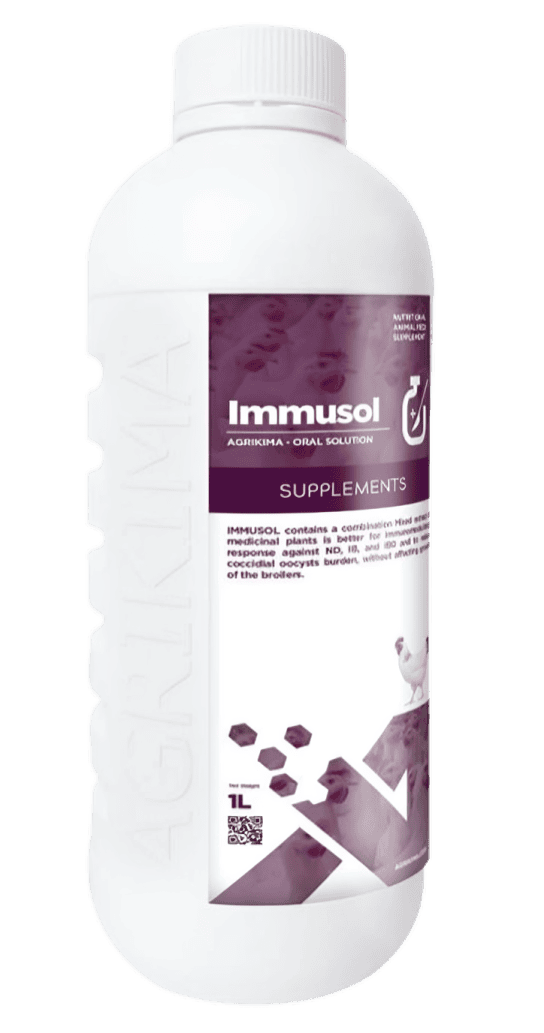
In addition to these disposal methods, consider using quality veterinary products and supplements from Agrikima to support the health of your flock and reduce mortality rates. Proper nutrition and health management can minimize the occurrence of disease, leading to a healthier poultry operation.
Conclusion
Safe disposal of dead birds is a critical component of effective poultry mortality management and farm biosecurity. Whether through composting, burial, or incineration, choosing the right method can mitigate environmental impact and enhance farm health. By implementing these practices, farmers can ensure a more sustainable and responsible approach to poultry farming.
Your message to the team
Sources: Read More
- Disposal of Dead Birds — University of Maryland Extension
- Composting livestock and poultry carcasses — University of Minnesota Extension
- Animal Carcass Disposal Options Rendering • Incineration • Burial • Composting — North Dakota State University
- Incineration – A Disposal Method for Dead Birds — Poultry Environmental Quality Handbook
- On-Farm Mortality Composting of Livestock Carcasses — Oklahoma State University Extension
- Agriculture and Carcass Disposal — U.S. Environmental Protection Agency