Salmonella Control in Feed Mills: Essential Strategies
Understanding Salmonella Contamination in Feed
Salmonella is a harmful bacterium that can contaminate animal feed, posing serious health risks to livestock and poultry. Identifying where Salmonella enters the feed supply chain is crucial for effective salmonella control in feed mills. Common sources of contamination include dust, equipment, and even wild animals that roam near feed facilities.
How Salmonella Enters Feed Mills
- Dust: Dust is a major contributor to Salmonella contamination. It can carry bacteria from various sources into the feed production area.
- Contaminated Ingredients: Animal-based ingredients are particularly high-risk, with studies showing they contribute significantly to Salmonella presence in feed.
- Equipment: Milling equipment can harbor bacteria if not properly cleaned and maintained, serving as a reservoir for recontamination.
- Wild Animals: Rodents and birds can introduce Salmonella into feed mills, especially if biosecurity measures are inadequate.
Effective Strategies for Salmonella Control
To combat Salmonella, feed mills must adopt comprehensive strategies that focus on hygiene, processing, and monitoring practices. Here are some key methods:
1. Implementing Strict Hygiene Protocols
Maintaining high standards of hygiene is essential in preventing contamination. This includes:
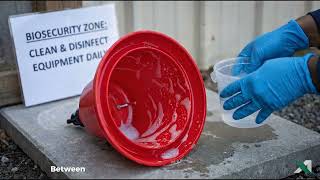
- Regular cleaning of all equipment and surfaces to remove dust and spills.
- Establishing separate zones for clean and dirty operations to minimize cross-contamination.
- Routine inspections and cleaning schedules to ensure compliance with hygiene standards.
2. Controlling Dust and Spills
Since dust is a major source of contamination, controlling it is imperative:
- Utilize dust control systems to minimize airborne particles during feed processing.
- Quickly clean up any spills as they can attract pests and harbor bacteria.
3. Thermal and Chemical Treatments
Heat treatment is an effective method for killing Salmonella in feed. Studies indicate that higher temperatures and longer processing times are necessary for effective thermal inactivation. Additionally, incorporating chemical feed additives, such as formaldehyde and organic acids, can help reduce microbial load.
4. Ingredient Quality Control
Ensuring the quality of raw materials is the first line of defense against Salmonella. Feed mills should:
- Source ingredients from reputable suppliers and conduct regular testing for contamination.
- Implement a Hazard Analysis Critical Control Point (HACCP) system to monitor critical control points throughout the feed production process.
5. Monitoring and Surveillance
Regular monitoring of the feed production environment is crucial. This includes:
- Routine sampling and testing of finished feed products for Salmonella presence.
- Utilizing data from inspections to identify trends and implement corrective actions promptly.
Utilizing Feed Additives for Enhanced Safety
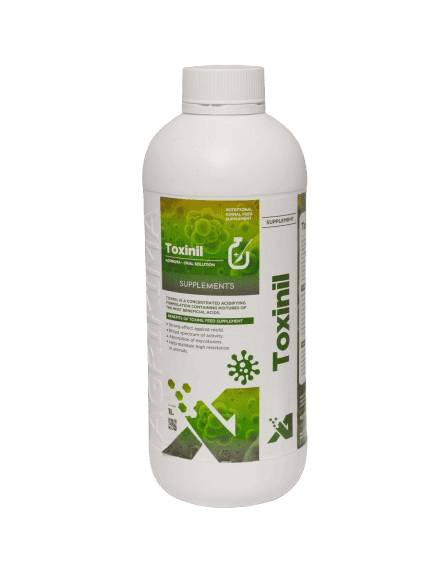
The use of feed acidifiers, probiotics, and prebiotics can enhance gut health in animals, potentially reducing the risk of Salmonella infections. These additives can improve feed hygiene by lowering the pH of the feed and suppressing harmful bacteria growth. Consider integrating quality veterinary products that include these beneficial additives to your feed formulations.
Conclusion
Salmonella control in feed mills requires a multifaceted approach that combines stringent hygiene practices, effective processing methods, and continuous monitoring. By implementing these strategies, feed mills can significantly reduce the risk of contamination and ensure the safety of animal feed. Investing in quality veterinary products and supplements further supports overall animal health, contributing to a safer food supply chain.
Your message to the team
Sources: Read More
- Controlling Salmonella: strategies for feed, the farm, and the processing plant — Mississippi State University / PMC (Poultry Science)
- Salmonella in the feed industry: problems and potential solutions — FAO AGRIS
- Minimizing Microbial Contamination in Feed Mills Producing Poultry Feed — UF IFAS Extension, University of Florida
- Thermal Inactivation of Salmonella Surrogate, Enterococcus faecium, in mash broiler feed pelleted in a university pilot feed mill — Poultry Science (university pilot feed mill study)
- Salmonella detection in commercially prepared livestock feed … systematic review and meta-analysis — Preventive Veterinary Medicine (The Ohio State University)
- EFSA publishes advice on salmonella and other biological hazards in animal feed — European Food Safety Authority (EFSA)