Salt Poisoning and Water Deprivation in Pigs
Understanding Salt Poisoning in Pigs
Salt poisoning, also known as sodium ion toxicosis, is a serious condition in pigs that can result from prolonged water deprivation or excessive salt intake. It is crucial for farmers to recognize the signs and understand the causes to prevent this preventable killer.
What Causes Salt Poisoning?
Salt poisoning typically occurs when pigs experience a disruption in their water supply for 24 hours or more. This can be due to mechanical failures, frozen water sources, or simple oversight in ensuring that water is accessible. When pigs are deprived of water, their bodies begin to retain sodium, leading to increased concentrations of sodium in their blood, which can be extremely harmful.
Signs of Salt Poisoning in Pigs
Farmers should be vigilant for the following nervous signs in pigs that indicate salt poisoning:
- Tense and apprehensive behavior
- Twitching or rhythmic jaw chomping
- Paddling or circling movements
- Loss of appetite and excessive thirst
- Head pressing and seizures in severe cases
These symptoms often manifest after a minimum of 24 hours of water deprivation, making it vital to monitor water supplies regularly.
Water Deprivation: A Common Issue
Water deprivation in swine can result from various factors, including:
- Mechanical failure of waterers
- Frozen pipes or water sources during cold weather
- Insufficient water supply due to poor management
Inadequate access to clean water can lead to severe dehydration and increase the risk of salt poisoning, highlighting the importance of regular maintenance and checks on water systems.
Preventing Water Supply Failures
To safeguard your pigs from water deprivation, implement the following practices:
- Regular Maintenance: Check water supply systems frequently to ensure they are functioning correctly.
- Insulation: Insulate pipes and waterers in colder climates to prevent freezing.
- Backup Systems: Consider installing backup water supply systems to ensure pigs always have access to water.
By being proactive, farmers can reduce the risk of water deprivation in their herds.
Recognizing and Responding to Salt Poisoning
If you suspect salt poisoning in your pigs, immediate action is required. Early recognition can significantly improve outcomes. Here are steps to take:
- Provide Immediate Water: If pigs have been deprived of water, offer them a source immediately, but do so gradually to prevent shock.
- Monitor Symptoms: Keep a close eye on the affected animals and consult a veterinarian for further management.
- Fluid Therapy: In severe cases, intravenous fluid therapy may be necessary to restore electrolyte balance and hydration.
Fluid therapy is essential in treating salt poisoning, as it helps to flush out excess sodium and reduces the risk of cerebral edema.
Importance of Quality Veterinary Products
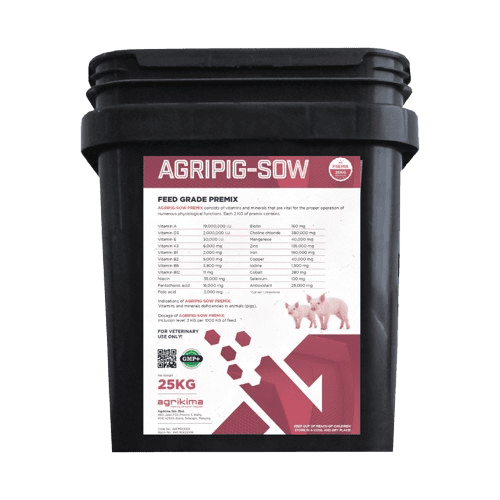
Preventing and treating salt poisoning can be supported by quality veterinary products and dietary supplements. Products that promote hydration and electrolytes can be beneficial, especially during stressful periods such as transportation or extreme weather conditions. Agrikima offers various nutritional supplements that can aid in maintaining optimal health and hydration levels in pigs.
Conclusion
Salt poisoning and water deprivation in pigs is a preventable condition that requires awareness, timely action, and effective management strategies. By ensuring consistent access to clean water and recognizing the signs early, farmers can protect their pigs from this serious health risk. Always consult with a veterinarian and consider using quality supplements to support your livestock's health.
Your message to the team
Sources: Read More
- Postweaning mortality in commercial swine production. I: review of non‑infectious contributing factors — National Library of Medicine / PMC
- Biology and Diseases of Swine — National Library of Medicine / PMC
- Salt Poisoning/Water Deprivation — NADIS (National Animal Disease Information Service)
- Salt poisoning in swine: epidemiological, clinical and pathological aspects and brief review of the literature — Universidade Federal de Santa Maria via SciELO
- Diagnosis of water deprivation/sodium poisoning in pigs — FAO AGRIS
- Veterinary Toxicology – Sodium Chloride (Salt) — ScienceDirect (Elsevier)