Selective Dry Cow Therapy to Reduce Antibiotic Use
Understanding Selective Dry Cow Therapy
Selective dry cow therapy (SDCT) is an innovative approach designed to minimize the use of dry cow antibiotics while maintaining udder health. The practice involves treating only those cows that show evidence of existing infections at drying off, rather than administering antibiotics to the entire herd. This targeted method not only reduces antibiotic usage but also supports the overall health of the dairy herd.
Benefits of Selective Dry Cow Therapy
- Reduced Antibiotic Use: Implementing SDCT can lead to a remarkable reduction in antibiotic use, with studies indicating up to a 30% decrease without increasing mastitis incidence.
- Improved Udder Health: By focusing treatment on cows that need it, SDCT helps prevent the development of antibiotic resistance and ensures better management of udder health.
- Enhanced Economic Efficiency: Reducing antibiotic costs contributes to better financial outcomes for farmers, allowing them to invest in other critical areas of their operations.
How to Implement Selective Dry Cow Therapy
To effectively implement selective dry cow therapy, farmers should follow a structured approach:
1. Assessing Cow Health
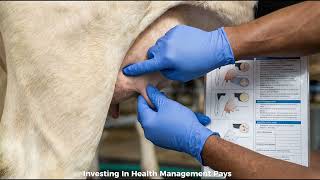
Before drying off, conduct a thorough health assessment of each cow in your herd. Identify those with existing infections and prioritize them for treatment. Regularly monitoring somatic cell counts can help indicate which cows may require antibiotics.
2. Utilize Internal Teat Sealants
Combining selective dry cow therapy with internal teat sealants can significantly enhance mastitis prevention during the dry period. These sealants act as a physical barrier, reducing the likelihood of new infections while ensuring that only infected cows receive antibiotic treatment.
3. Develop a Treatment Protocol
Work with your veterinarian to develop a clear and effective treatment protocol for drying off. This protocol should define which cows will receive antibiotics based on their health assessments and how internal teat sealants will be used alongside them.
4. Educating Farm Staff
Training your farm staff on the principles and practices of selective dry cow therapy is crucial. Ensure they understand the importance of health assessments and the protocol for administering treatments. Regular workshops can reinforce these concepts and keep staff updated on best practices.
Responsible Mastitis Control
Selective dry cow therapy is an essential component of responsible mastitis control. By balancing udder health with antibiotic stewardship, farmers can maintain a healthy herd while also contributing to the broader goal of reducing antibiotic resistance in livestock. This approach not only protects animal health but also ensures that dairy products remain safe for consumers.
Monitoring Outcomes
After implementing selective dry cow therapy, it is important to monitor the outcomes. Keep detailed records of mastitis cases, antibiotic usage, and the overall health of the herd. Analyzing this data can help you assess the effectiveness of your SDCT approach and make any necessary adjustments.
Conclusion
Selective dry cow therapy represents a progressive shift in the management of dairy herds. By focusing on individual cow health and employing targeted treatment strategies, farmers can significantly cut antibiotic use while ensuring that udder health is not compromised. With the right practices and products, such as internal teat sealants and quality veterinary supplements, dairy farmers can lead the way in responsible antibiotic use and maintain the integrity of their herds.
Your message to the team
Sources: Read More
- Selective Dry Cow Therapy: An Alternative Approach to Reducing Antibiotic Use — Farmers Weekly
- Selective Dry Cow Therapy: Guidelines for Implementation — DairyNZ
- Selective Dry Cow Therapy: A Practical Approach — Progressive Dairy
- Selective Dry Cow Therapy: Reducing Antibiotic Use in Dairy Herds — Farmers Weekly
- Selective Dry Cow Therapy: A Key Component of Responsible Mastitis Control — Dairy Herd Management