Selling Dressed Chicken: Slaughter, Hygiene & Packing Tips
Introduction
Selling dressed chicken to hotels and butcheries can be a profitable venture for poultry farmers. However, it requires a solid understanding of poultry slaughter hygiene, processing methods, and effective packing techniques. This guide will walk you through these critical aspects to help you successfully navigate the market.
The Importance of Poultry Slaughter Hygiene
Poultry slaughter hygiene is essential to ensure the safety and quality of the chicken you sell. Cleanliness at every stage of the slaughter process minimizes the risk of contamination and enhances the quality of the meat. Here are key hygiene practices to implement:
- Sanitization: Ensure that all equipment, including knives, tables, and containers, are thoroughly cleaned and sanitized before use. This reduces the risk of bacterial contamination during processing.
- Personal Hygiene: Workers involved in the slaughter process should maintain high standards of personal hygiene, including washing hands frequently and wearing clean clothing.
- Environment: Conduct the slaughter in a clean and controlled environment, away from potential sources of contamination like pets or wild animals.
Slaughter Process
Understanding the slaughter process is crucial for small-scale poultry operations. Here’s a basic outline:
- Pre-slaughter Preparation: Ensure birds are healthy and stress-free before slaughter. Stress can affect meat quality.
- Stunning: Use humane methods to stun the chickens before slaughtering to minimize stress and pain.
- Bleeding and Plucking: After stunning, bleed the birds thoroughly to ensure quality meat. Follow this with proper plucking techniques to maintain carcass quality.
- Processing: Remove internal organs carefully, ensuring that no contamination occurs from the intestines.
Regulatory Considerations for Small-Scale Poultry Processing
When selling dressed chicken under a small-scale poultry processing exemption, it’s vital to understand the regulations that apply. Depending on your location, you may be eligible for exemptions that allow you to sell directly to hotels and butcheries without USDA inspection, as long as you meet certain criteria.
For instance, farms that process fewer than 1,000 birds annually may be exempt from certain federal regulations. This allows for local sales without extensive regulatory burdens, provided you adhere to sanitary standards.
Effective Packing Techniques
Once your chickens are processed, proper packing is essential to ensure freshness and quality during transportation to hotels and butcheries. Here are some tips:
- Temperature Control: Keep the dressed chickens chilled at all times. Use ice packs or refrigerated containers to maintain a safe temperature.
- Packaging Materials: Use food-grade plastic or vacuum-sealed bags to package the chicken. This prevents contamination and preserves freshness.
- Labeling: Clearly label each package with important information such as the processing date, weight, and handling instructions. This transparency builds trust with your clients.
Marketing Your Dressed Chicken
To attract hotels and butcheries, effective marketing strategies are necessary:
- Networking: Build relationships with local chefs and butchery owners. Attend food expos and farmers' markets to promote your product.
- Quality Assurance: Highlight the quality of your dressed chicken, including how they are raised and processed. Use testimonials from satisfied customers to boost credibility.
- Online Presence: Create a simple website or social media page to showcase your products and allow potential buyers to contact you easily.
Conclusion
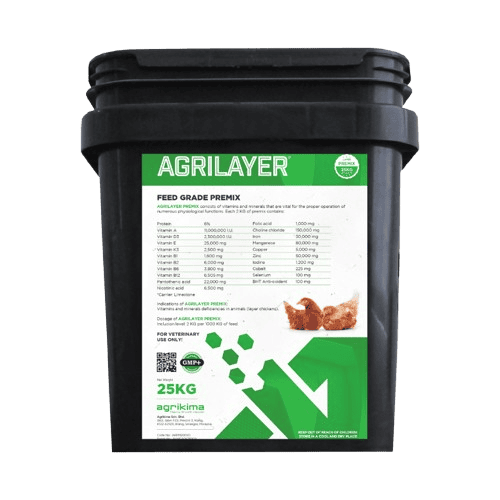
Selling dressed chicken to hotels and butcheries requires careful attention to slaughter hygiene, effective processing practices, and proper packing techniques. By adhering to regulatory requirements and focusing on quality, you can build a successful poultry business. Remember, quality veterinary products and supplements can also enhance the health of your flock, leading to better meat quality and increased profitability.
Your message to the team
Sources: Read More
- On‑Farm Poultry Slaughter Guidelines — Cornell Small Farms Program
- Small‑Scale Poultry Processing — Oregon State University Extension Service
- Guidance for Slaughtering and Selling Exempt Poultry — Vermont Agency of Agriculture, Food and Markets
- Poultry Development Review: Reducing Contamination of Poultry Carcasses in Small‑Scale Slaughtering Facilities — Food and Agriculture Organization (FAO)
- Approaches to Processing Poultry Meat for Sale: Navigating Regulations across the United States — National Center for Appropriate Technology (NCAT)
- Marketing Poultry Slaughtered Under USDA Exemption — Penn State Extension