Setting Profitable Selling Weight for Goats and Sheep
Understanding Goat and Sheep Selling Weight
Setting the right selling weight for your goats and sheep is crucial for maximizing profits. The optimal market weight for goats and finishing sheep can vary based on breed, age, and market demands. Understanding these factors will help you make informed decisions that benefit your farming business.
Factors Influencing Selling Weight
- Breed: Different breeds have varying characteristics, including growth rates and mature weights. For instance, Boer goats typically reach market weight faster than other breeds.
- Age: Younger animals may not have reached their full potential weight, so consider the right age for selling.
- Nutrition: Providing high-quality feed and supplements can accelerate weight gain. Utilizing veterinary products specifically designed for growth can yield better results.
- Market Demand: Stay updated with current market trends and consumer preferences to set the most profitable weight.
Optimal Selling Weights for Goats
The ideal selling weight for goats generally ranges between 45 to 60 kg (100 to 130 lbs). However, some markets may prefer heavier goats. Monitor your local market to determine the best weights that align with consumer demands.
Optimal Selling Weights for Sheep
For finishing sheep, the ideal selling weight is usually between 45 to 70 kg (100 to 150 lbs). Again, this can vary based on the breed and market preferences. It’s wise to consult with local market experts to understand what weights are currently in demand.
Strategies to Achieve Optimal Selling Weight
1. Focus on Nutrition
Providing balanced nutrition is critical for achieving desirable weights. Consider the following:
- Use quality feed that meets the nutritional needs of goats and sheep.
- Incorporate supplements to enhance growth, such as protein and mineral additives.
- Ensure access to clean water at all times.
2. Implement Good Management Practices
Good management practices can enhance growth rates and overall health:
- Regularly monitor the health of your animals, including vaccinations and deworming schedules.
- Maintain clean and comfortable housing to reduce stress and promote better growth.
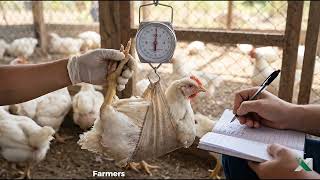
- Keep accurate records of weights and growth rates to identify trends and make necessary adjustments.
3. Timing Your Sales
Timing is crucial when selling your goats and sheep. The right time to sell typically coincides with peak market prices. Here are some tips:
- Observe seasonal trends; prices may fluctuate during holiday seasons or festivals.
- Evaluate your animals’ weights regularly to identify the best time to sell.
- Network with other farmers to gain insights into market conditions.
Market Considerations
Understanding Consumer Preferences
Consumer preferences can significantly affect your selling strategy. Some buyers may prefer younger animals for breeding, while others may prioritize size for meat production. Keeping abreast of market trends will help you adjust your selling weights accordingly.
Pricing Your Goats and Sheep
Set competitive prices that reflect the market value of your goats and sheep. Consider:
- Conducting market research to understand current pricing trends.
- Offering discounts for bulk purchases to attract larger buyers.
- Being transparent about the quality and health of your livestock to build trust with buyers.
Utilizing Veterinary Products
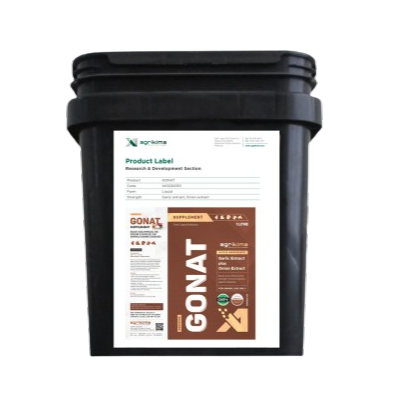
Incorporating quality veterinary products and supplements into your feeding regimen can help ensure your goats and sheep reach their optimal selling weights efficiently. Products designed to enhance growth and overall health can lead to faster weight gain, ultimately resulting in higher profits when it’s time to sell.
Conclusion
Setting a profitable selling weight for goats and sheep requires careful consideration of various factors, including breed, age, nutrition, and market demand. By focusing on proper feeding, good management practices, and understanding market dynamics, you can maximize profits from your small ruminant marketing efforts. Stay informed, continuously adapt your strategies, and leverage quality veterinary products to achieve your goals.