Setting Up Feed Mill Inventory and Batch Tracking Software
Introduction
In the ever-evolving agricultural landscape, feed mill inventory software has become crucial for farmers and mill operators. It not only streamlines operations but also ensures compliance with food safety regulations. This blog will guide you through setting up effective inventory and batch tracking software tailored for feed mills.
Understanding Feed Mill Inventory Software
At its core, feed mill inventory software helps manage the flow of raw materials and finished feeds. It tracks inventory levels, monitors feed production, and ensures traceability of feed batches. A well-implemented system can enhance mill stock management and optimize production efficiency.
Key Features of Feed Mill Inventory Software
- Real-time Inventory Tracking: Monitor stock levels and ingredient availability in real-time.
- Batch Tracking: Ensure feed batch traceability from raw material sourcing to finished product delivery.
- Production Planning: Schedule production runs based on inventory levels and demand forecasts.
- Reporting and Analytics: Generate detailed reports to analyze feed production costs and inventory turnover.
Setting Up Your Feed Mill Inventory Software
To effectively set up your feed mill inventory software, follow these steps:
1. Assess Your Needs
Before implementing any software, it’s essential to assess your mill's specific needs. Consider factors such as:
- Size of your operation
- Number of ingredients and products
- Regulatory requirements for traceability
2. Choose the Right Software
Look for software solutions that cater specifically to the agricultural sector. Ensure the software includes:
- Inventory management capabilities
- Batch tracking features to comply with feed batch traceability standards
- Integration with existing systems, such as accounting software
3. Data Entry and Integration
Once you have selected your software, begin entering data. This includes:
- Supplier information
- Raw material details
- Finished product specifications
Integrate the software with existing systems to ensure seamless data flow.
4. Training Your Team
Ensure that all staff members are trained on how to use the new system effectively. This training should cover:
- How to input data accurately
- Generating reports
- Using the batch tracking features
5. Regular Updates and Maintenance
Keep your software updated to benefit from the latest features and security patches. Regular maintenance will help prevent any disruptions in your operations.
Ensuring Compliance with Batch Tracking
Compliance with feed safety regulations is paramount. Utilize your feed production software to maintain an accurate record of:
- Raw material sourcing
- Production processes
- Distribution channels
Establishing a robust traceability management system ensures that you can track and trace each batch through the supply chain, adhering to regulatory requirements.
Best Practices for Feed Mill Stock Management
Implement the following best practices to enhance your mill stock management:
- Regular Audits: Conduct regular audits to ensure inventory accuracy.
- FIFO Method: Use the First In, First Out (FIFO) method for inventory management to minimize spoilage and waste.
- Supplier Relationships: Build strong relationships with suppliers for timely ingredient delivery and quality assurance.
The Role of Quality Veterinary Products
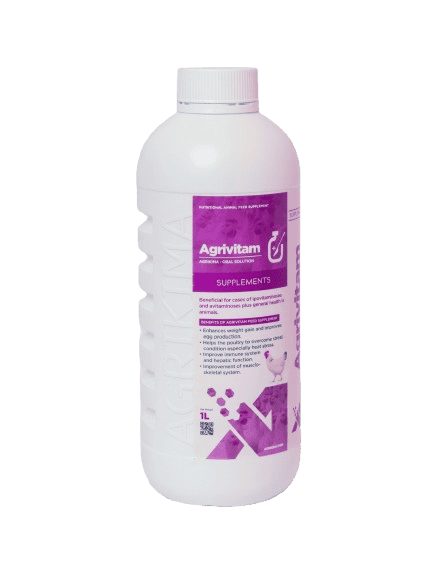
In addition to effective inventory management, consider incorporating quality veterinary products and supplements into your feed production. These can enhance the nutritional value and safety of your feeds, ultimately benefiting animal health and farm productivity.
Conclusion
Implementing feed mill inventory software and effective batch tracking systems is essential for modern agricultural operations. By following the outlined steps and best practices, you can improve your feed production efficiency, ensure compliance with regulations, and enhance overall farm profitability.
Your message to the team
Sources: Read More
- 10. FEED FORMULATION AND MANUFACTURING — Food and Agriculture Organization (FAO)
- Feed Mills - an overview — ScienceDirect
- An interactive approach to optimize production–distribution planning for an integrated feed swine company — ScienceDirect
- A model and prototype implementation for tracking and tracing agricultural batch products along the food chain — ScienceDirect
- Should feed mills go beyond traditional least cost formulation? — ScienceDirect
- Expert Elicitation To Estimate the Feed Safety Impact of Criteria Included in the Canadian Food Inspection Agency Risk Assessment Model for Feed Mills — ScienceDirect