Setting Up a Zero-Grazing Dairy Unit: A Complete Guide
Introduction to Zero-Grazing Dairy
Zero-grazing dairy farming is an innovative approach that allows farmers to keep dairy cows in confined spaces while providing them with all the necessary feed and care. This method is particularly beneficial for small-scale farming, where land availability may be limited. By focusing on stall feeding and intensive dairy practices, farmers can achieve higher milk yields and better animal health.
Benefits of Zero-Grazing Dairy
- Efficient Land Use: Maximizes milk production on small plots of land.
- Improved Animal Health: Reduces the risk of diseases associated with free grazing.
- Controlled Feeding: Allows for better management of a cow's diet, ensuring they receive adequate nutrition.
- Higher Milk Production: With proper care and feeding, dairy cows can produce more milk in a zero-grazing system.
Steps to Set Up a Zero-Grazing Dairy Unit
1. Selecting the Right Location
Your dairy unit should be located in an area that is accessible and has good drainage. Ensure that there is adequate ventilation and protection from harsh weather conditions.
2. Designing the Stall
The design of the stall is crucial for comfort and productivity. Consider the following:
- Space: Each cow should have enough space to lie down, move around, and access feed and water.
- Flooring: Use materials that are easy to clean and provide good traction to prevent slipping.
- Ventilation: Ensure that the stall is well-ventilated to keep the cows comfortable and healthy.
3. Choosing the Right Feeding System
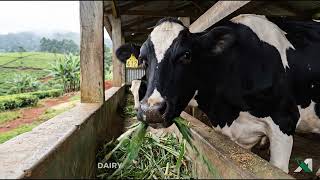
Stall feeding is essential in a zero-grazing system. Here’s how to optimize feeding:
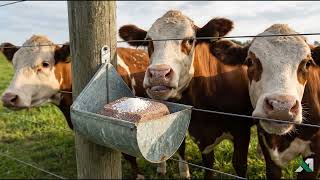
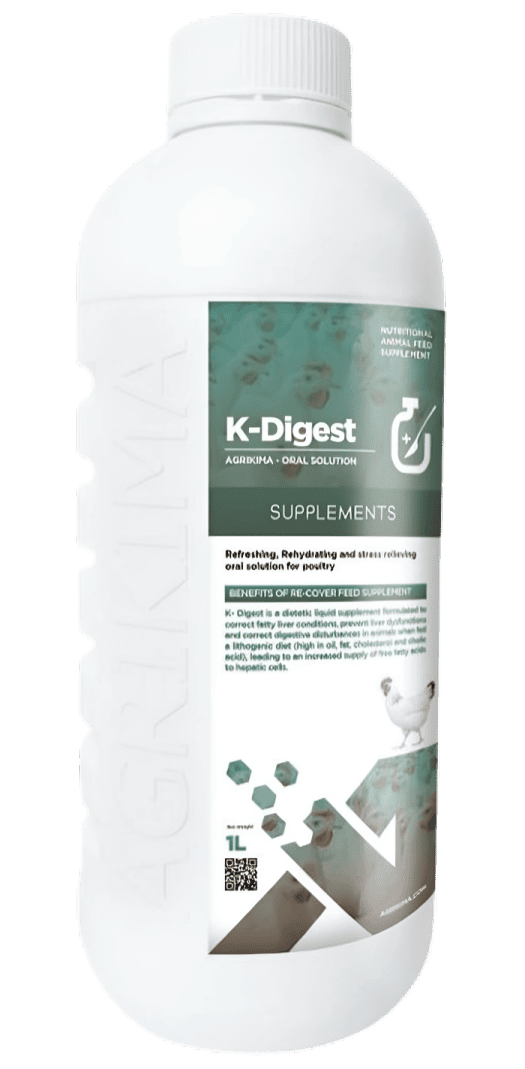
- Balanced Diet: Provide a mix of forages, concentrates, minerals, and vitamins to meet the nutritional needs of your dairy cows. Quality veterinary products and supplements can enhance this diet.
- Feeding Schedule: Establish a regular feeding schedule to maintain cow health and productivity.
4. Water Supply
Cows require a constant supply of clean, fresh water. Ensure that water troughs are easily accessible and cleaned regularly to prevent contamination.
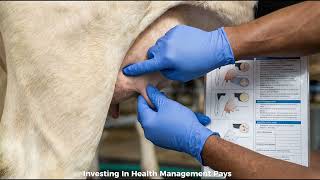
5. Health Management
Regular health checks are vital in a zero-grazing dairy unit. Implement the following:
- Routine Veterinary Care: Schedule regular check-ups and vaccinations to prevent diseases.
- Monitoring: Keep an eye on the cows for any signs of illness or distress.
6. Waste Management
Effective waste management is essential for maintaining hygiene and reducing environmental impact:
- Regular Cleaning: Clean the stalls frequently to prevent the buildup of manure.
- Composting: Consider composting waste for use as fertilizer in crop production.
7. Record Keeping
Maintain accurate records of milk production, feed consumption, health status, and breeding. This data will help you make informed decisions for improving your zero-grazing dairy unit.
Conclusion
Setting up a zero-grazing dairy unit is a sustainable farming practice that can lead to increased milk production and better animal health. By implementing stall feeding techniques and focusing on intensive dairy farming, small-scale farmers can thrive even in limited spaces. Remember that utilizing quality veterinary products and supplements can further enhance your dairy operation. Start your zero-grazing journey today for a more productive tomorrow!